The Power of Collaboration in Video Production
A strong video is rarely the result of one person working alone. It comes from a clear process, the right creative team and a shared understanding of what the film needs to achieve. Collaboration helps every stage feel more focused, from early planning and filming to editing, delivery and final approval.
Introduction
Great video production is built on collaboration.
Behind every polished film is a team of people making thoughtful decisions about story, structure, visuals, sound, pacing and delivery. Even a simple corporate video or promotional film depends on more than just turning up with a camera. It requires planning, communication and the right creative judgement at every stage.
For businesses, this matters because collaboration affects the final result. A well-organised production team helps your message feel clearer, your visuals feel more polished and your project feel easier from start to finish.
At Reverie Films, we bring together the right people, process and creative approach for each project. Whether we are producing a brand film, corporate video, education film, event video or documentary-led piece, the goal is always the same: to create video content that feels purposeful, professional and human.
Why Collaboration Matters in Video Production
A strong video needs more than technical skill.
It needs a shared understanding of the story being told. That means everyone involved in the production needs to be working towards the same outcome, from the first planning conversation to the final edit.
When collaboration is strong, the whole project becomes clearer. The message is sharper. The shoot runs more smoothly. The edit has stronger direction. The final film feels more connected because every decision has been made with the same purpose in mind.
Without collaboration, video production can quickly become fragmented. A good idea might lose focus. A shoot might capture attractive footage but miss the real story. An edit might look polished but fail to communicate the message clearly.
That is why the best video production teams do not just film what is in front of them. They listen, shape, guide and refine the project so the final video works as a piece of communication, not just a collection of nice shots.
The Role of Creative Direction
Creative direction gives a video its shape.
Before filming begins, the project needs a clear sense of tone, message, audience and outcome. This is where creative direction becomes essential. It helps define what the film should feel like, what it needs to say and how it should connect with the people watching.
For some projects, the tone might be warm, personal and documentary-led. For others, it might be bold, energetic and promotional. A corporate video may need to feel credible and calm, while a social campaign might need more pace and immediacy.
Creative direction makes sure the style matches the purpose.
It influences interview questions, shot choices, locations, pacing, music, colour and structure. It also helps avoid one of the most common problems in video production: creating something that looks good but does not quite feel right for the brand. When creative direction is clear, every part of the production has a stronger sense of purpose.
Producers Keep the Project Moving
A good producer helps turn creative ambition into a realistic plan.
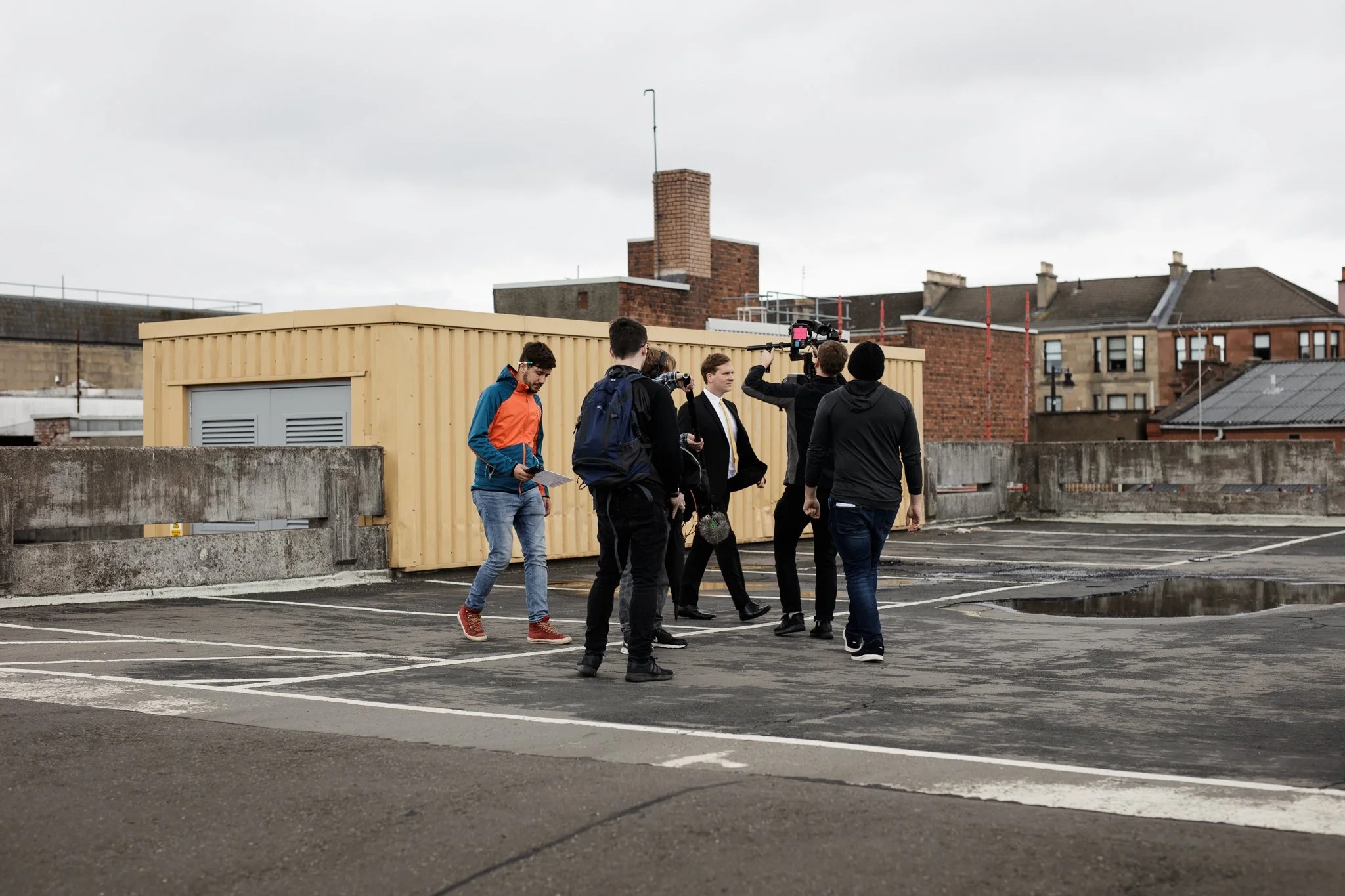
Video production involves a lot of moving parts: schedules, contributors, locations, permissions, equipment, travel, timings, budgets and delivery requirements. The producer’s role is to keep those elements organised so the creative work can happen properly.
This is especially important for businesses, schools, charities and organisations that cannot afford disruption. Filming often needs to fit around working environments, live events, staff availability, customer activity or busy public spaces. A strong production process keeps everything calm and efficient.
It makes sure people know where they need to be, what is happening next and what the shoot needs to capture. It also helps protect the quality of the final video because time is used properly and key moments are not missed. Good production is not just admin. It is what allows the creative work to happen with confidence.
Directors Shape the Story
The director’s role is to protect the story.
During filming, there are always choices to make. What should be focused on? What should be left out? Which moments feel natural? Which details help communicate the message? How should contributors be guided so they feel comfortable and authentic on camera?
A good director helps people feel at ease while keeping the project focused.
This matters because many of the strongest business videos rely on real people. Team members, clients, students, leaders, customers or community voices all need space to speak naturally. The aim is not to force performance, but to help people communicate clearly and confidently.
Directing also means seeing how the final edit will come together. A director is thinking about the story while the shoot is happening, making sure the footage has enough shape, variety and emotional weight to work in post-production. That judgement helps the final video feel considered rather than accidental.
Cinematography Creates the Visual Language
Cinematography shapes how the film feels.
Lighting, framing, camera movement, lens choice and composition all affect how an audience experiences your brand or story. A video can be technically correct but still feel flat if the visual approach is not carefully considered.
Good cinematography gives your film atmosphere and intention.
For a corporate video, that might mean clean, composed visuals that communicate professionalism. For a documentary-led project, it might mean natural light, handheld movement and a more observational feel. For a promotional film, it might mean energy, pace and visual variety.
The best visual style is not always the most dramatic one. It is the one that supports the message. A skilled camera team understands how to make a project look polished while still feeling appropriate for the subject. That balance is what helps a video feel authentic.


Sound and Lighting Matter More Than People Think
Sound and lighting are often invisible when they are done well, but obvious when they are not.
Poor audio can make even a beautifully shot video feel amateur. Harsh lighting can make interviews feel uncomfortable. Inconsistent sound, distracting background noise or badly lit spaces can all weaken the viewer’s trust without them fully realising why.
Professional production reduces those risks.
Good lighting helps people look natural, confident and comfortable on camera. Good sound makes interviews feel clear and easy to follow. Together, they create a smoother viewing experience and allow the audience to focus on the story rather than the technical flaws.
This is one of the biggest differences between casual video content and professional video production. The craft is not always about making things look expensive. It is about making the final film feel clear, credible and easy to watch.
Editing Turns Footage Into Meaning
The edit is where the story comes together.
A shoot may capture hours of footage, but the final film needs structure. It needs rhythm, clarity and emotional flow. Editing is not just about cutting clips together. It is about deciding what matters most and shaping the footage into something that feels coherent.
This is where collaboration between production and post-production is so important.
If the project has been planned and filmed with the edit in mind, the final stage becomes much stronger. The editor can build a clear narrative, choose the strongest moments, remove anything unnecessary and make sure the message lands properly.
Pacing is especially important.
A video should hold attention without feeling rushed. It should give the audience enough time to understand the message while still feeling purposeful. The edit controls that balance. A strong edit makes the difference between footage that exists and a film that communicates.
Collaboration Makes the Process Easier for Clients
Good collaboration does not only improve the final video. It also makes the experience better for the client.
Many businesses feel unsure before starting a video project because they do not know what is required, how much input they need to provide or what the process will involve. A professional production team removes that uncertainty by guiding the project clearly.
That means helping shape the brief, advising on format, planning the shoot, preparing contributors, managing the production day and delivering the right versions for the right platforms.
The client does not need to know every technical detail.
They need a team that can listen, interpret the brief and make the process feel organised. When the collaboration is strong, the client feels supported rather than overwhelmed.
That is one of the real benefits of working with a professional video production company. You are not just hiring equipment or crew. You are hiring a process that helps turn an idea into a finished film.
The Right Team Protects the Final Result
Every video project has pressure points.
Timelines can be tight. Locations can be busy. Contributors can feel nervous. Weather can change. Messages can evolve. Footage can take unexpected directions. A strong team knows how to adapt without losing sight of the goal.
That flexibility is only possible when the team works well together.
A good producer keeps the project organised. A good director protects the story. A good cinematographer creates the visual style. A good editor shapes the final meaning. Each role strengthens the others.
For clients, this means fewer surprises and a stronger finished film. The right team helps protect quality from start to finish. It makes sure the video feels considered, consistent and aligned with the wider purpose of the project.
Conclusion
The best videos are not created by chance.
They come from collaboration, planning and a shared commitment to the story being told. Every stage of the process matters, from the first conversation and creative direction to filming, editing, sound, colour and final delivery.
For businesses, working with the right production team means more than getting a polished video. It means having a creative partner who can guide the process, protect the message and turn your ideas into content that feels clear, credible and memorable.
At Reverie Films, we create video content through a collaborative process built around clarity, craft and purpose. Whether you need a corporate video, promotional film, brand story, event film or documentary-led project, we can help bring the right team and approach together.
Strong video production is teamwork. When that teamwork is focused, the final film feels effortless.