Professional Video Production vs DIY
Video is easier to create than ever, but effective video still takes more than a camera. For businesses, charities and organisations across Glasgow and Scotland, the difference between DIY video and professional video production is not just technical quality. It is clarity, trust, storytelling and knowing how to turn an idea into content that feels polished, purposeful and useful.
Introduction
Creating video content can look simple from the outside.
Most people now have access to a decent camera, editing software and social media platforms where content can be published instantly. For quick updates, informal behind-the-scenes clips or casual internal messages, that accessibility can be useful.
But when a video needs to represent your organisation properly, the stakes are higher.
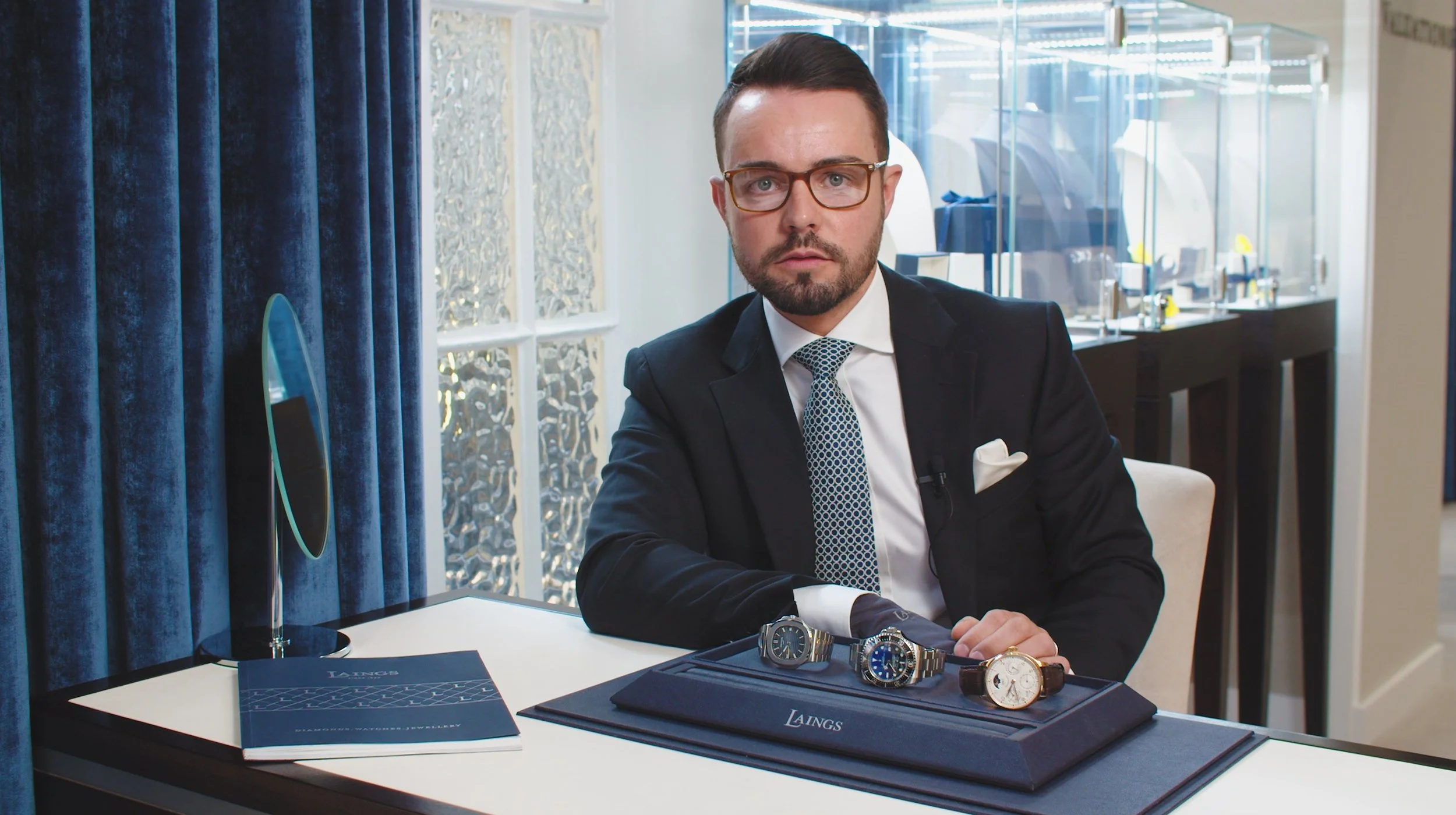
A professional video is not just footage edited together. It is a planned piece of communication. It needs to reflect your brand, hold attention, communicate clearly and make people feel more confident in who you are.
At Reverie Films, we work with businesses, charities, agencies and organisations across Glasgow and Scotland to create video content that feels considered, credible and human. The value of professional production is not just that the final film looks better. It is that the whole process is shaped around purpose.
The Problem With DIY Video
DIY video can be useful in the right context.
A quick phone clip from an event, a short update from a team member or an informal social media post can feel direct and authentic. Not every piece of content needs a full production crew.
The problem comes when DIY video is asked to do the job of professional communication.
If a film is being used on your website, in a campaign, at an event, in a proposal, on a landing page or as a key part of your brand identity, poor production can create the wrong impression. Weak sound, flat lighting, awkward framing, unclear messaging or rushed editing can make a strong organisation feel less credible than it really is.
That is the hidden cost of DIY video. It may save money at the start, but it can weaken trust, reduce engagement and leave audiences unsure about the quality of the organisation behind the film.
Professional Production Starts With Strategy
Professional video production begins before the camera comes out.
The first step is understanding what the video needs to achieve. Who is it for? Where will it be used? What does the viewer need to understand? What should they feel? What action should they take afterwards?
Without that clarity, even well-shot footage can feel unfocused.
A professional production process turns a broad idea into a clear plan. It shapes the message, identifies the right format, considers the audience and builds a structure for the film before filming begins. This could involve scripting, interview planning, shot listing, location decisions, visual references, scheduling and thinking about how the final content will be used across different platforms.
That preparation is what gives a film direction. It means every shot, interview question, location and edit choice has a purpose. The result is not just a nicer-looking video, but a clearer piece of communication.
Quality Builds Trust
People make quick judgements about what they see.
A polished video communicates care, professionalism and attention to detail. It tells the viewer that your organisation takes itself seriously and respects the audience’s time.
That does not mean every video needs to look glossy or expensive. In fact, some of the strongest films are simple, natural and understated. But they still need to feel intentional. The lighting should support the mood. The sound should be clean. The framing should feel considered. The edit should guide the viewer clearly.
Good production quality removes distractions.
When the technical side is handled properly, the audience can focus on the story, message and people in the film. They are not thinking about poor audio, awkward cuts or unclear visuals. They are simply engaging with the content. For businesses and organisations, that matters. Trust is often built through small signals, and video is full of them.
Storytelling Makes the Difference
A professional video does more than show what happened. It shapes meaning.
Strong storytelling helps turn information into something people can understand and remember. It creates a beginning, middle and end. It gives the viewer a reason to care. It brings structure to interviews, visuals, music and pacing so the final film feels coherent rather than random.
This is where professional video production can make a major difference.
A DIY approach often captures moments, but professional storytelling connects those moments together. It decides what to include, what to leave out and how to guide the audience through the message.
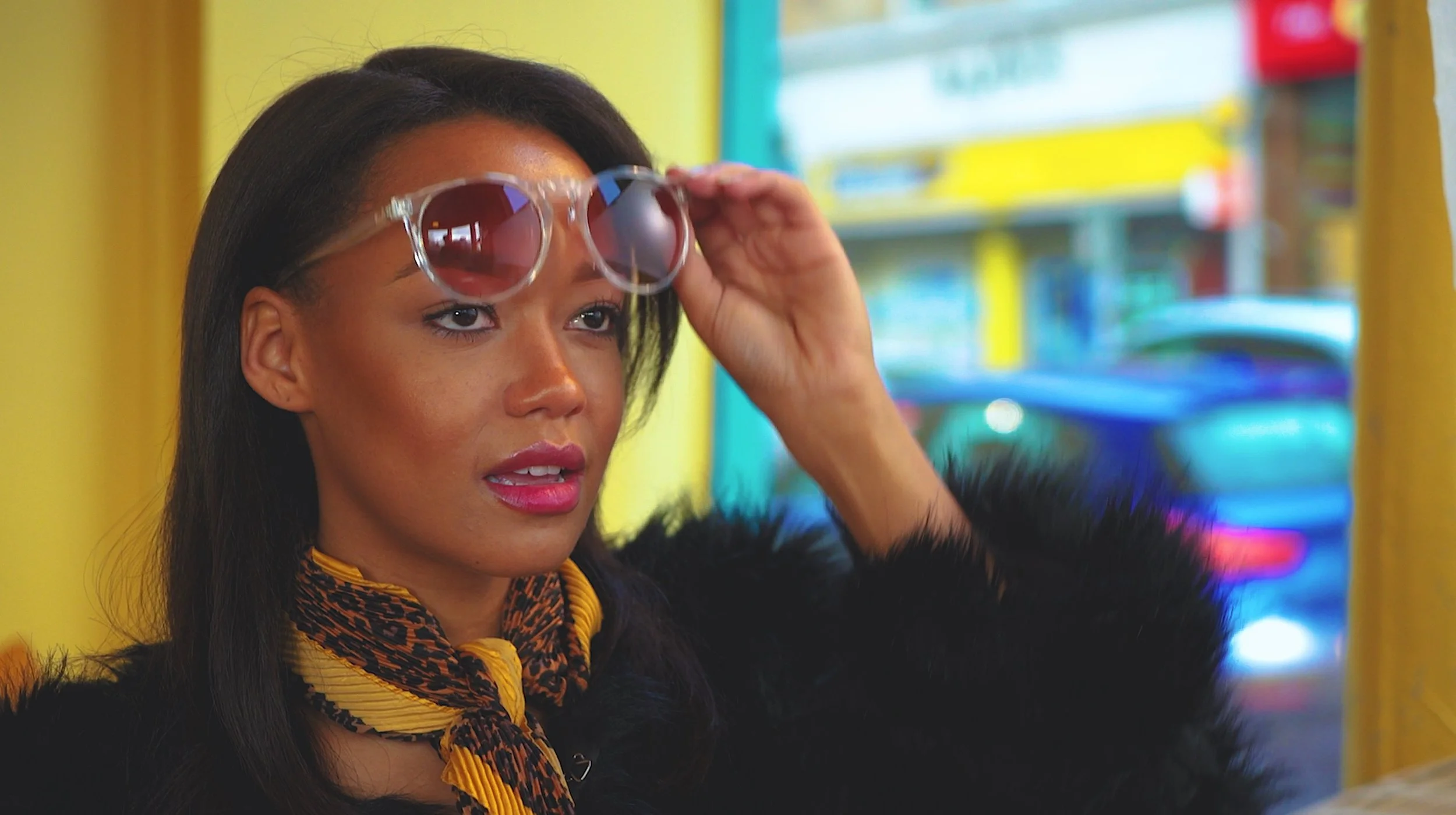
For a corporate video, that might mean showing the people and values behind the business. For a charity film, it might mean communicating impact without feeling forced. For a promotional video, it might mean creating momentum around a launch, event or campaign. For a case study, it might mean turning a client experience into a clear story of trust and results. The camera captures the material. Storytelling gives it shape.
Sound, Lighting and Editing Matter More Than People Think
Good video production is often judged by what the audience does not notice.
If the sound is clean, the lighting feels natural and the edit flows smoothly, the viewer stays focused. If those things are wrong, the whole film can feel weaker, even if the message itself is strong.
Sound is especially important. Poor audio can make an otherwise good video feel unprofessional very quickly. Interviews need to be clear, balanced and easy to listen to. Background noise, echo or inconsistent levels can make people switch off.
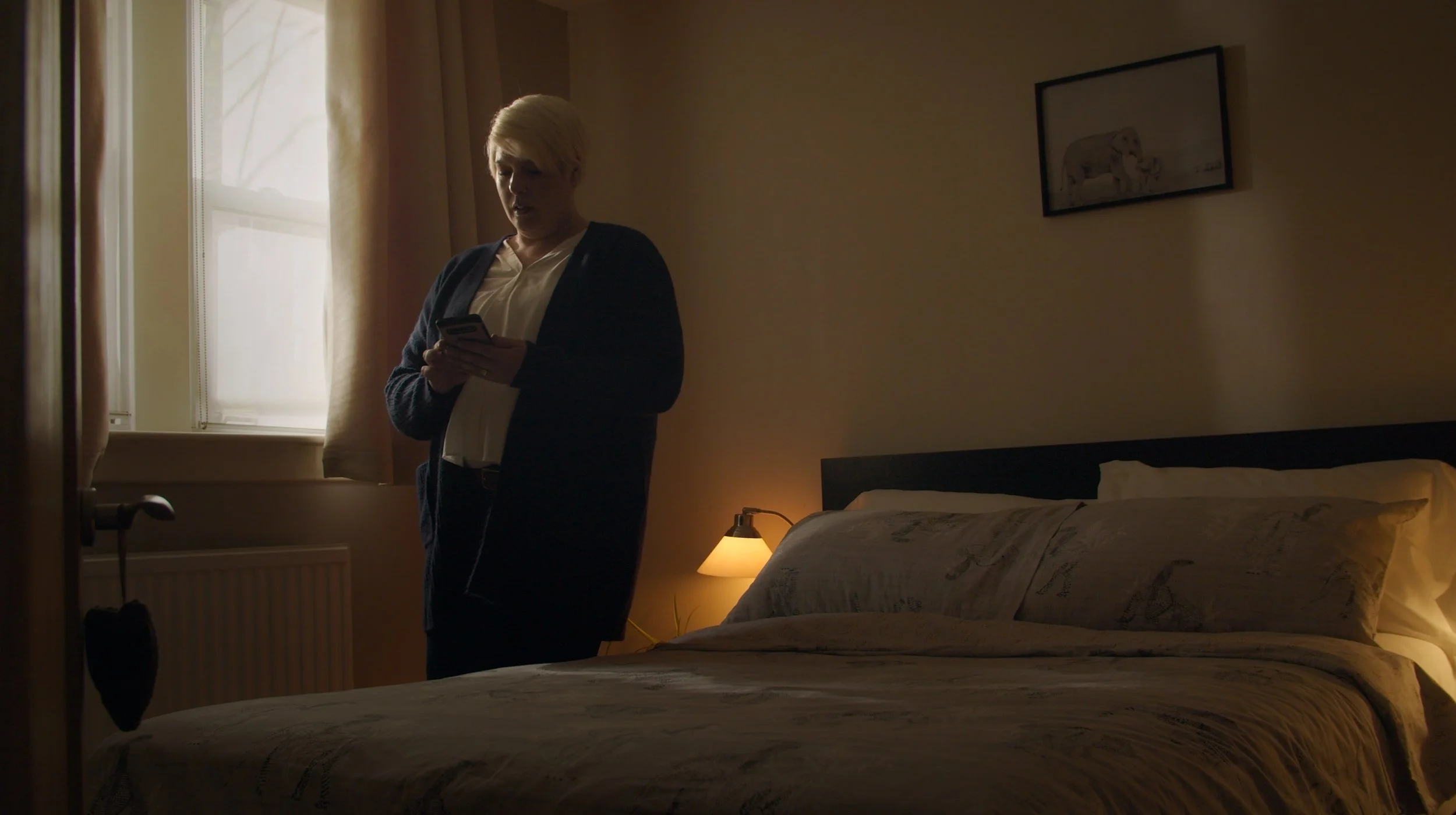
Lighting also shapes how a video feels. It can make a space feel warm, professional, dramatic, natural or flat. The right lighting approach depends on the story and setting, but it should always help the subject feel considered.
Editing brings everything together. It controls pace, structure, rhythm and clarity. A strong edit knows when to move quickly, when to pause, what to remove and how to make the message land. These details are not decoration. They are what make a video feel confident and watchable.


Professional Video Saves Time and Reduces Stress
One of the biggest benefits of working with a professional video production company is that the process becomes easier.
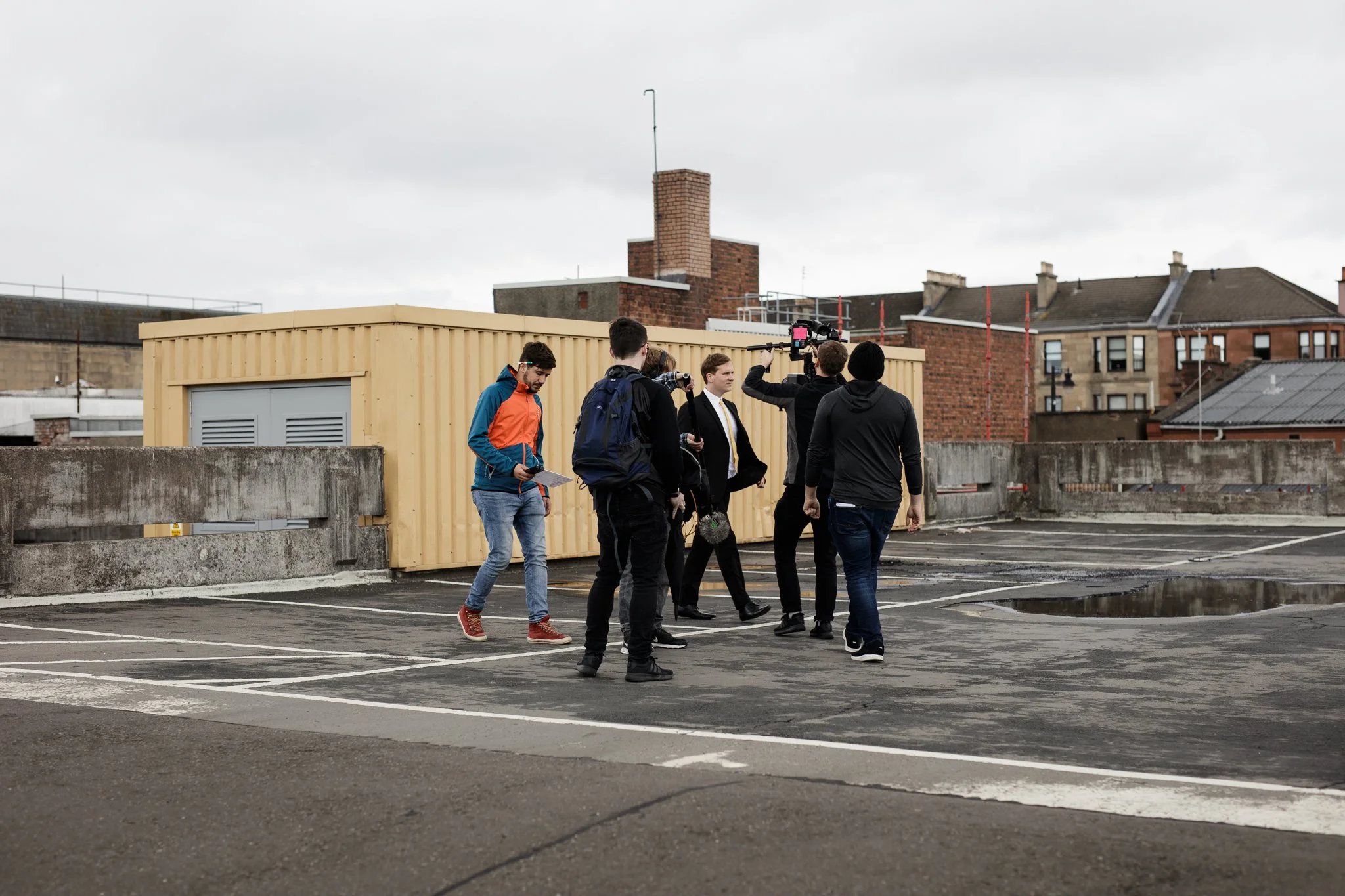
Filming can involve more moving parts than people expect: planning, scheduling, locations, contributors, permissions, equipment, lighting, sound, interviews, direction, backups, editing, revisions, exports and delivery formats. Trying to manage all of this internally can quickly become time-consuming.
A professional team brings structure to the process.
They know what needs to happen before the shoot, what to look for during filming and how to shape the material afterwards. They can guide contributors, manage time on location, solve problems quickly and keep the project moving without the client having to control every detail.
That support matters, especially for busy organisations. The final film is important, but so is the experience of getting there. A smooth, well-managed production saves time, reduces uncertainty and helps everyone involved feel more confident.
One Shoot Can Create More Than One Film
Professional video production is also valuable because it can be planned for longevity.
A single shoot does not have to produce only one final video. With the right planning, it can create a wider library of content: a main film, short social clips, interview cutdowns, website banners, event edits, internal videos, stills, teaser clips or platform-specific versions.
This is where professional planning can improve return on investment.
Instead of treating video as a one-off asset, businesses can think about how the footage will support wider marketing, sales, recruitment, internal communication or social media. A well-planned production can create content that works across multiple touchpoints.
For example, a corporate video might sit on your homepage, while shorter clips are used on LinkedIn. A case study film might support a service page, while individual interview moments can be used in proposals or social posts. An event film might become a highlight reel, speaker clips and future promotional material. The value is not just in the shoot day. It is in how strategically the footage is used afterwards.
When DIY Video Still Has a Place
Professional video production is not the answer to everything.
There is still a place for informal content. Quick updates, phone-shot moments, casual behind-the-scenes clips and simple social posts can help a brand feel active and human. In some cases, overly polished content can even feel wrong for the platform or message.
The key is knowing the role of each type of content.
DIY video can work well for immediacy. Professional video works best when quality, trust, clarity and long-term use matter. The strongest content strategies often use both: informal posts to keep the brand visible, and professional films to anchor the bigger messages.
A business does not need to professionally produce every single video it shares. But it should invest properly in the videos that shape first impressions, explain value, build trust and support important decisions.
Choosing the Right Production Partner
Working with a professional video production company should feel collaborative, not complicated.
The right team should help you shape the idea, understand the purpose of the film and guide the process clearly from planning to delivery. They should bring creative judgement, technical skill and an understanding of how video supports wider communication goals.
Good production is not just about having the best equipment.
It is about knowing how to use the right tools in the right way. It is about making people feel comfortable on camera, finding the story inside the brief, capturing natural moments and editing everything into a film that feels true to the organisation.
For businesses across Glasgow, Edinburgh and Scotland, choosing a production partner is also about trust. You need a team that can understand your world, work around your schedule and create content that reflects your brand properly. A good video team should make the process feel calmer, clearer and more purposeful.
Conclusion
DIY video can capture moments, but professional video production gives those moments structure, clarity and impact.
When your organisation needs to build trust, explain value, launch a campaign, promote a service, tell a story or create content that will live on your website, quality matters. So does planning. So does sound, lighting, editing, pacing and tone. Most importantly, the video needs to have a clear purpose.
Professional production helps turn an idea into a finished film that feels credible, polished and useful.
At Reverie Films, we create story-led video content for businesses, charities, agencies and organisations across Glasgow and Scotland. Whether you need a corporate video, promotional film, brand story, case study or wider content library, we help shape the idea, plan the production and create a film that feels clear, human and true to your organisation.
If you are deciding between DIY video and professional production, start with the importance of the message. If the video needs to represent your brand properly, it is worth doing with care.