Lighting Techniques for Cinematic Video Production
Lighting shapes how your video feels before a single word is spoken. From corporate interviews to brand films and social content, professional lighting helps your message feel polished, intentional and emotionally engaging. It can make a scene feel warm, dramatic, honest or calm, depending on the story you want to tell.
Introduction
Lighting is one of the most important parts of professional video production.
It does more than make a scene visible. It shapes mood, directs attention, adds depth, and helps your audience understand how they should feel. A well-lit interview can feel calm, honest and trustworthy. A dramatic shadow can create tension. A warm, natural glow can make a brand feel approachable and human.
For businesses, this matters.
Your audience may not consciously notice the lighting in a video, but they will feel its effect. Poor lighting can make a film feel flat, rushed or unprofessional. Thoughtful lighting makes your content feel considered, cinematic and credible.
Whether you are creating a corporate video, brand film, campaign, interview or social media piece, lighting plays a huge role in how your message is received. Here is how professional lighting techniques help turn ordinary footage into video content that feels polished, purposeful and memorable.
Lighting Sets the Mood of Your Video
Every lighting choice creates a feeling.
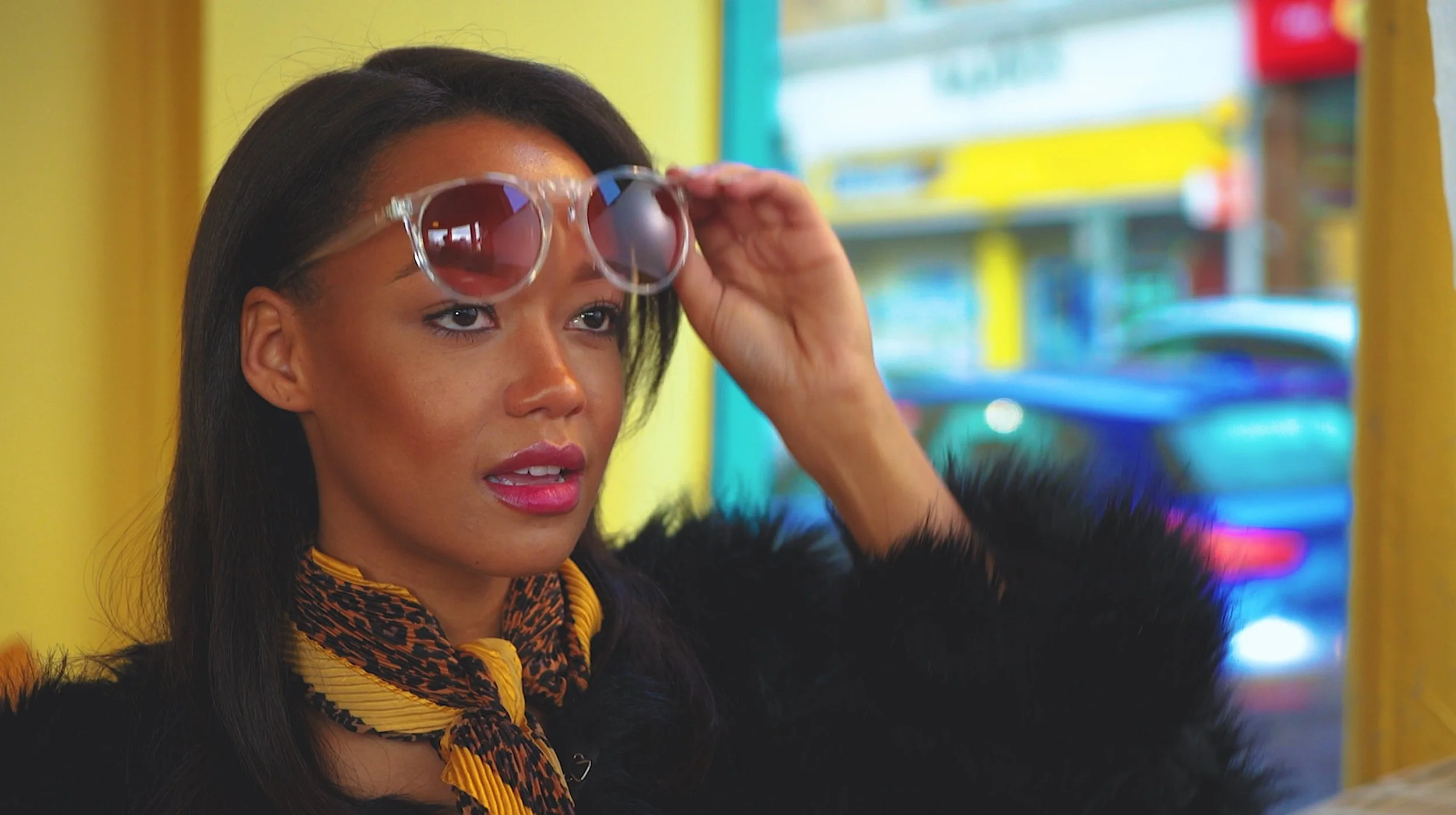
Soft light can make a scene feel warm, open and natural. Strong contrast can add drama and intensity. Backlight can separate a person from the background and give the image more depth. Colour temperature can make a room feel calm, energetic, corporate or cinematic.
This is why lighting should always support the story.
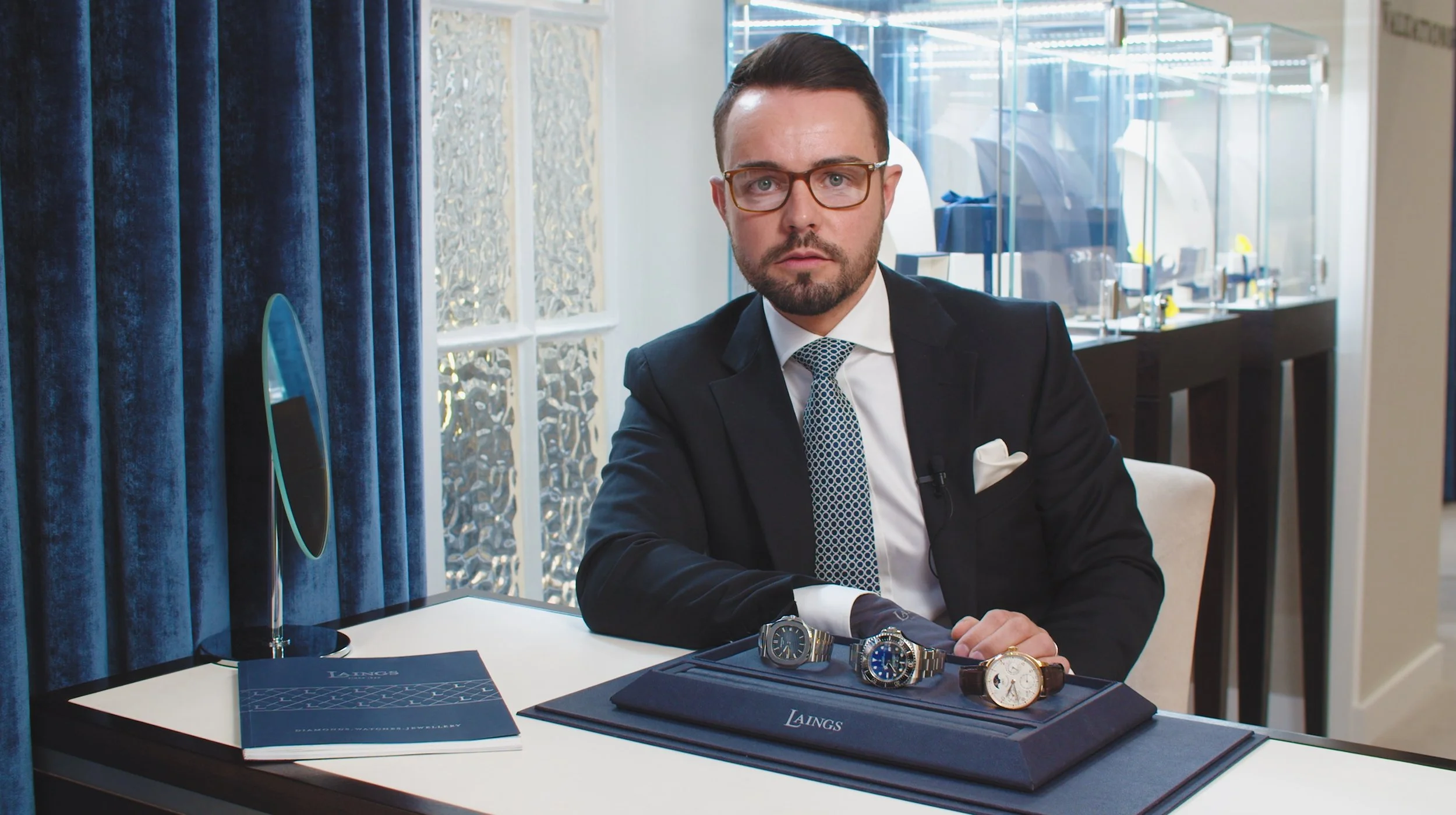
A recruitment film might use bright, natural lighting to make a workplace feel welcoming. A brand film might use warmer tones to create intimacy and emotion. A corporate interview might need clean, flattering light that helps the speaker appear confident and trustworthy.
The goal is not just to make the image look good. The goal is to make the image feel right. When lighting matches the tone of the message, the whole video becomes more believable. It helps your audience settle into the story and connect with what is being said.
Professional Lighting Makes Interviews Feel More Human
Interviews are often the backbone of corporate videos and brand films.
They give your business a voice. They allow real people to explain ideas, share values and communicate trust in a way scripted copy rarely can. But for an interview to work, the person on camera needs to look comfortable, natural and credible.
Lighting plays a huge role in that.
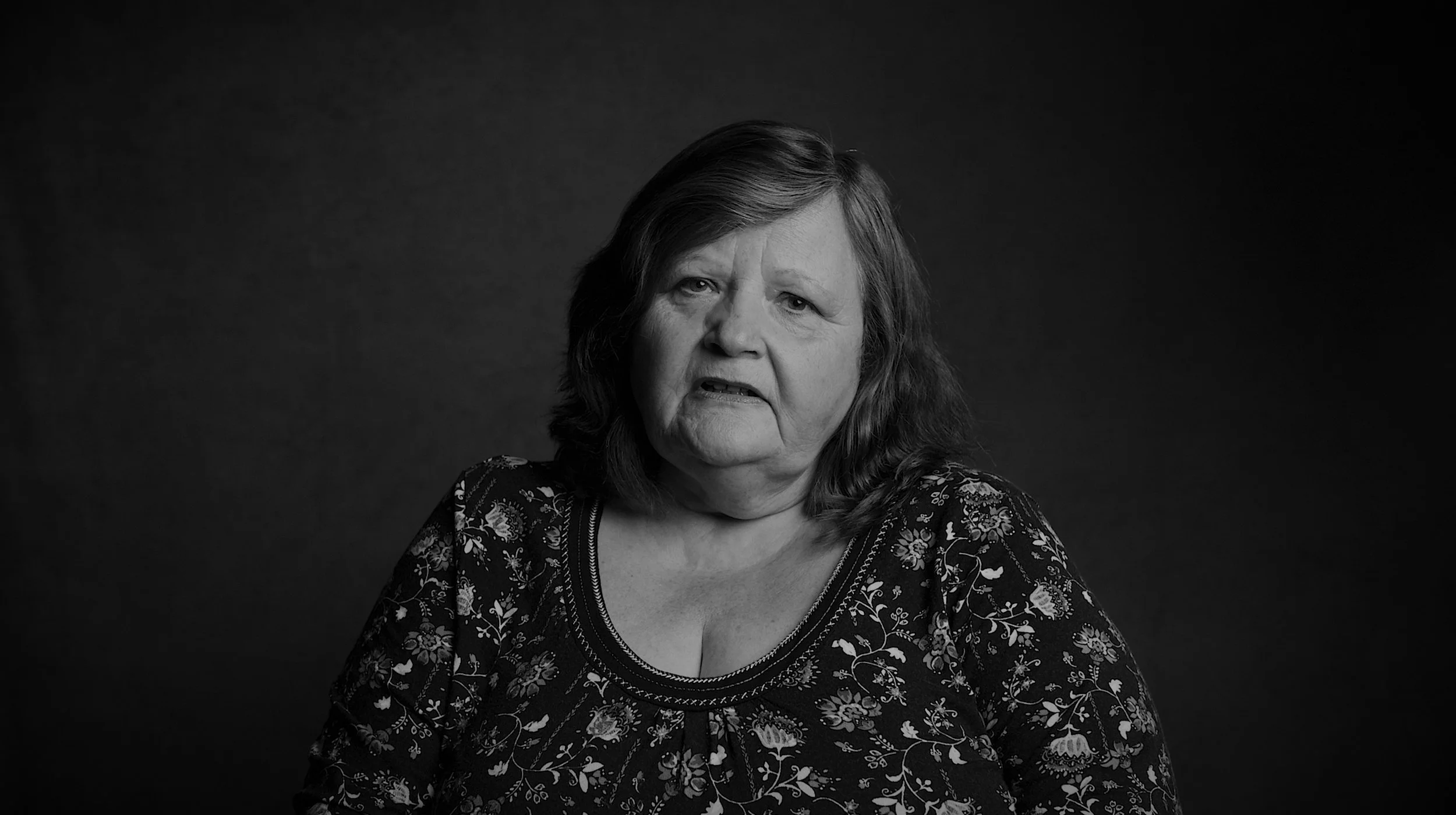
Harsh overhead lighting can make someone look tired, tense or flat. Poorly controlled light can create distracting shadows or uneven skin tones. A carefully lit interview, on the other hand, helps the person feel present, relaxed and professional.
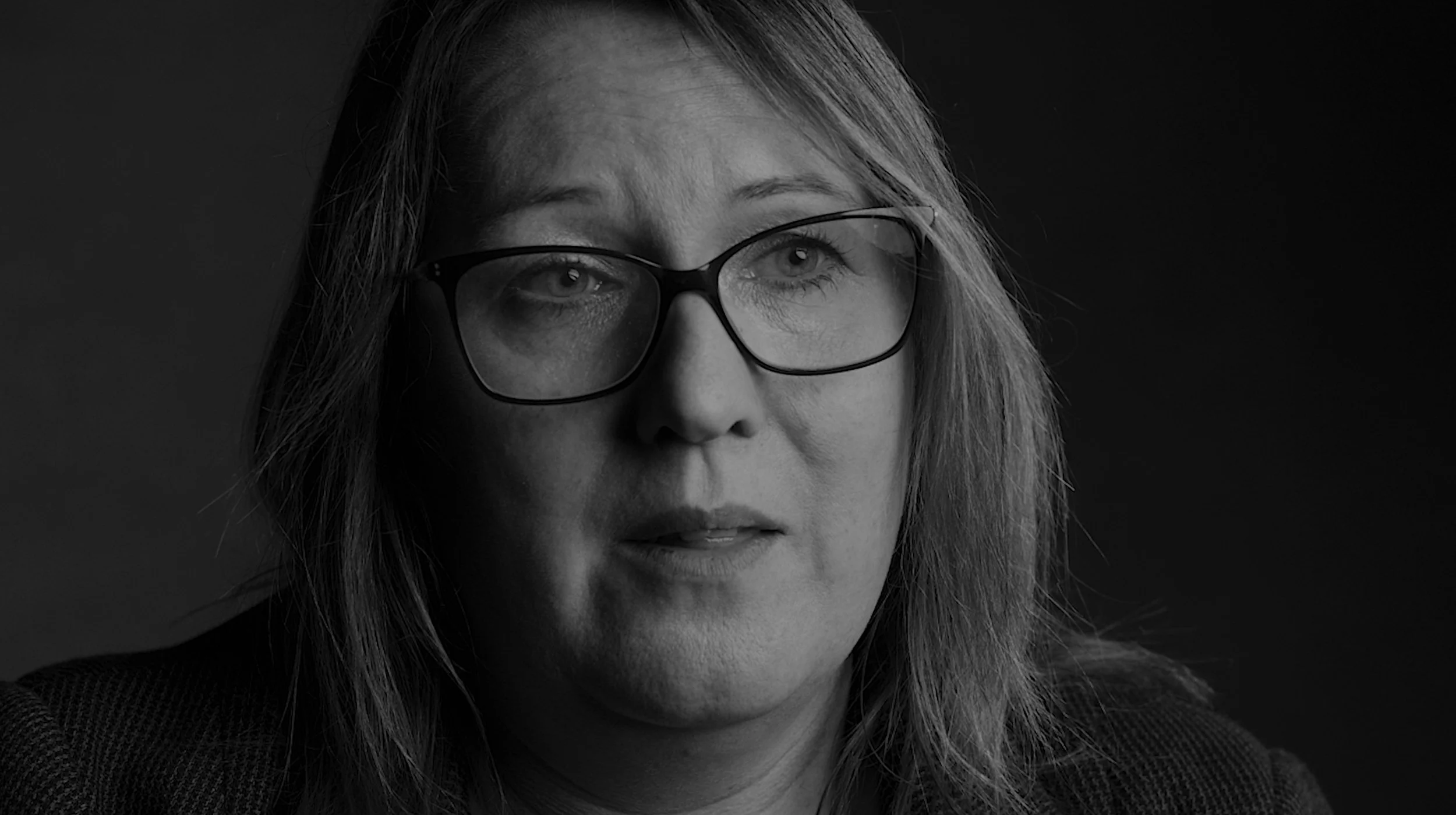
Good interview lighting usually has shape.
The face should have dimension, not feel washed out. The background should have separation, not blend into the subject. The lighting should support the emotion of the conversation, whether that is warmth, authority, reflection or confidence. When done well, the viewer stops thinking about the setup and starts listening to the person. That is what strong interview lighting should do.
Natural Light Can Be Powerful When Used Properly
Natural light can bring a beautiful sense of realism to video.
Window light, golden hour, soft daylight and outdoor environments can all create footage that feels warm, honest and grounded. For brand films, education videos, lifestyle content and documentary-style projects, natural light can often make a scene feel more authentic.
But natural light is not always simple.
It changes quickly. Clouds move. The sun shifts. A room that looks beautiful in the morning can feel dull or harsh by the afternoon. That is why natural light still needs to be shaped, controlled and planned.
Professional crews know how to work with it.
Reflectors, diffusion, flags, exposure control and careful scheduling can help preserve the softness and atmosphere of natural light while avoiding harsh contrast or inconsistency. Sometimes the best choice is to use natural light as the base and subtly support it with additional lighting. The result feels effortless, but it is rarely accidental. Natural light works best when it is treated with the same care as any other creative tool.
Shadows Add Depth, Drama and Emotion
Lighting is not only about what you reveal. It is also about what you choose to hide.
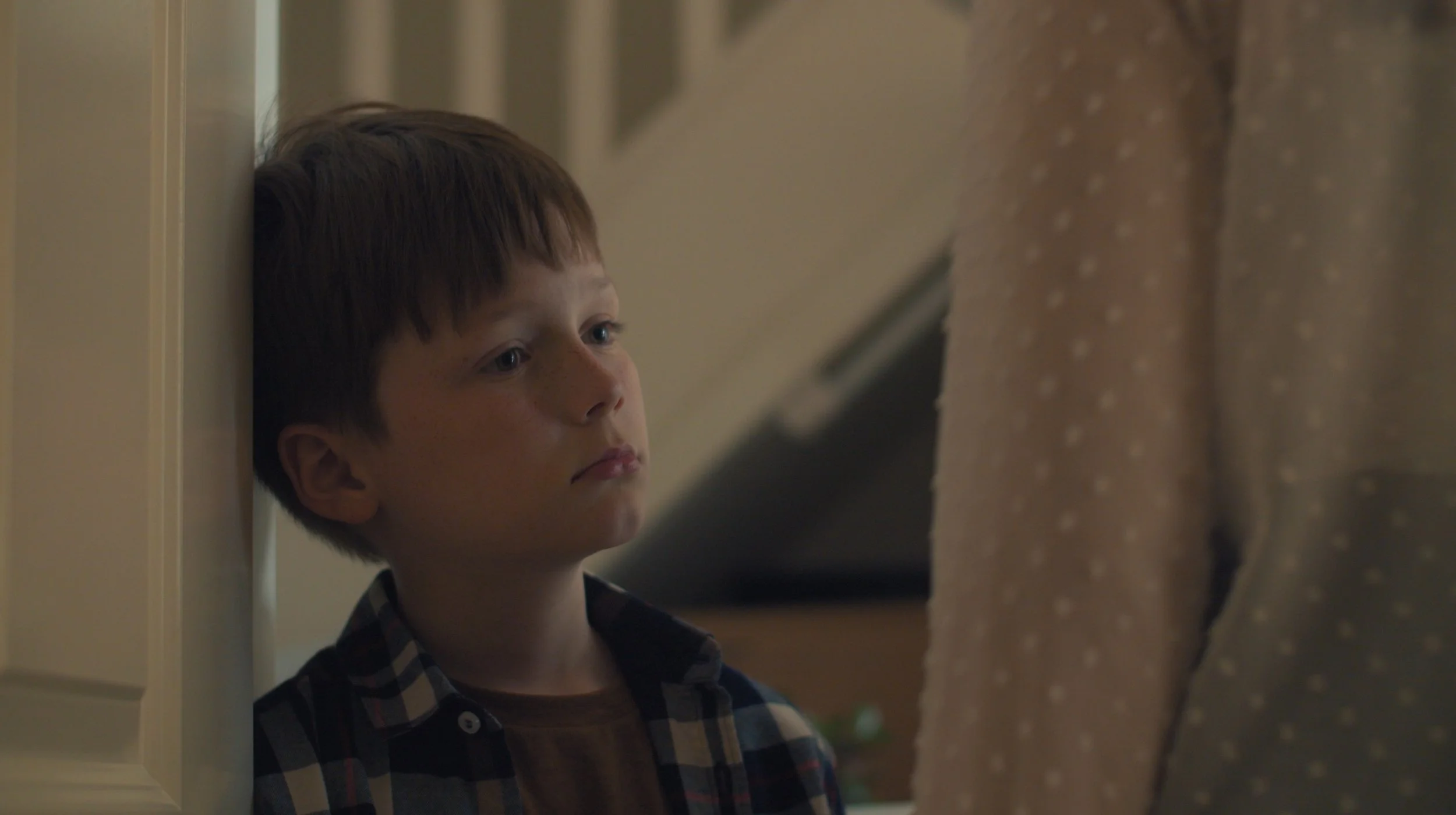
Shadows give an image depth. They create shape, texture and atmosphere. Without shadow, footage can feel flat and lifeless. With too much shadow, it can feel unclear or overly dramatic. The skill lies in finding the right balance for the story.
In corporate video production, shadows are often used subtly.
A gentle shadow on one side of the face can make an interview feel more cinematic. A darker background can help the subject stand out. Controlled contrast can make a scene feel more premium, focused and intentional.
In brand films or documentary-style content, shadow can also add emotional weight.
It can make a scene feel reflective, intimate or serious. It can guide the eye toward a person’s expression, a product detail or a meaningful moment. Used with restraint, shadow helps your audience feel the tone of the story without being told what to think. Good lighting is not about removing every shadow. It is about using shadow with purpose.
Soft Light Helps People Look Natural and Comfortable
Most people-focused videos benefit from soft light.
Soft light is flattering, gentle and natural. It wraps around the face, reduces harsh lines, and creates a more comfortable image for interviews, testimonials, internal communications and brand films.
This matters because people are often the emotional centre of a video.
If someone looks uncomfortable, harshly lit or overly staged, the viewer can feel distance. If they look natural and relaxed, the audience is more likely to trust them. Soft lighting helps create that sense of ease.
This does not mean every video should look the same.
Soft light can still feel polished, cinematic and premium. It can be warm and intimate, clean and corporate, or bright and energetic depending on the setting, background and colour tone. The key is to match the lighting to the message and the person on camera. For businesses, this is especially important. When your people appear confident and authentic, your brand feels more trustworthy too.
Practical Lights Make Scenes Feel Real
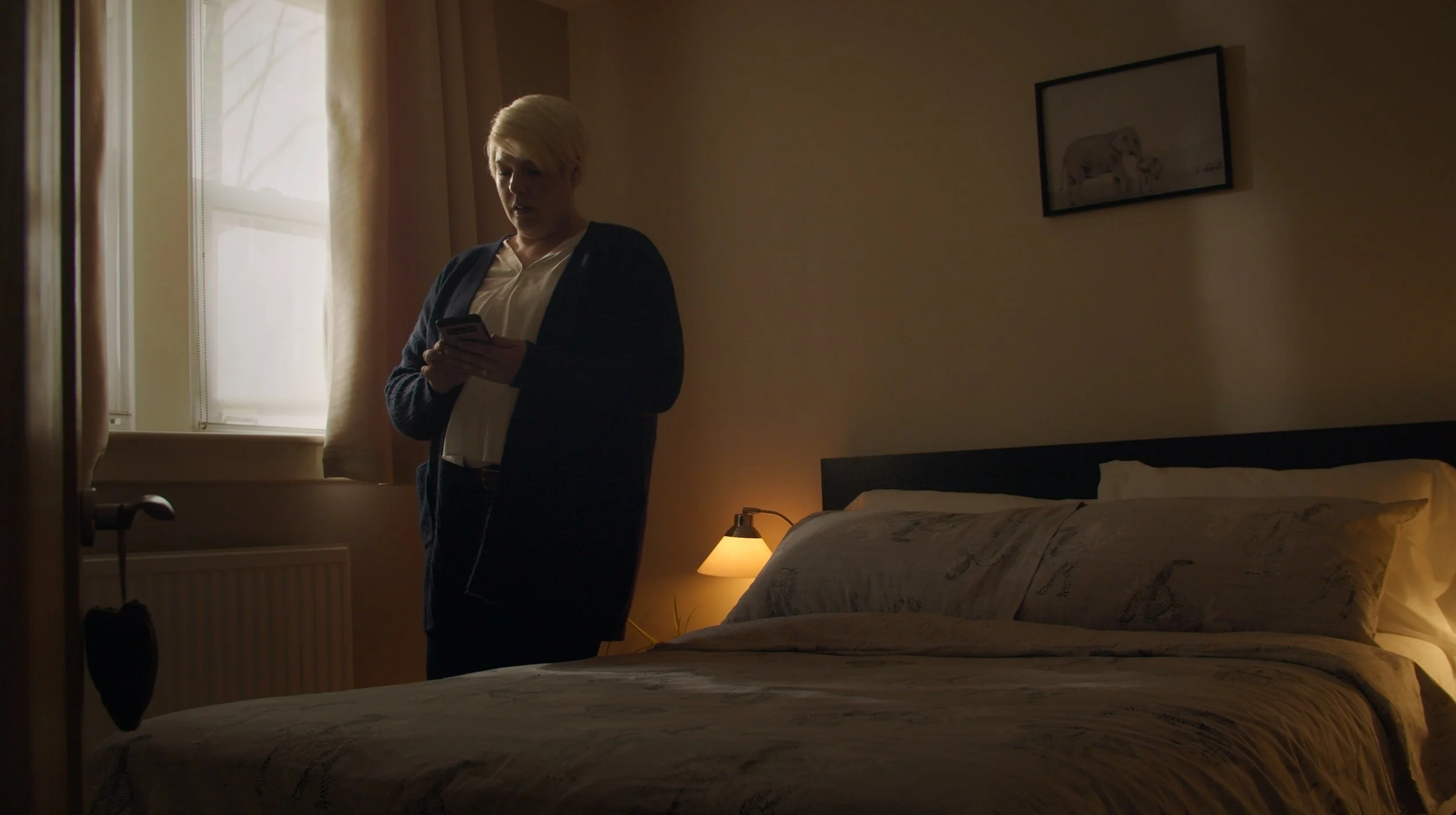
Practical lights are visible light sources within the scene.
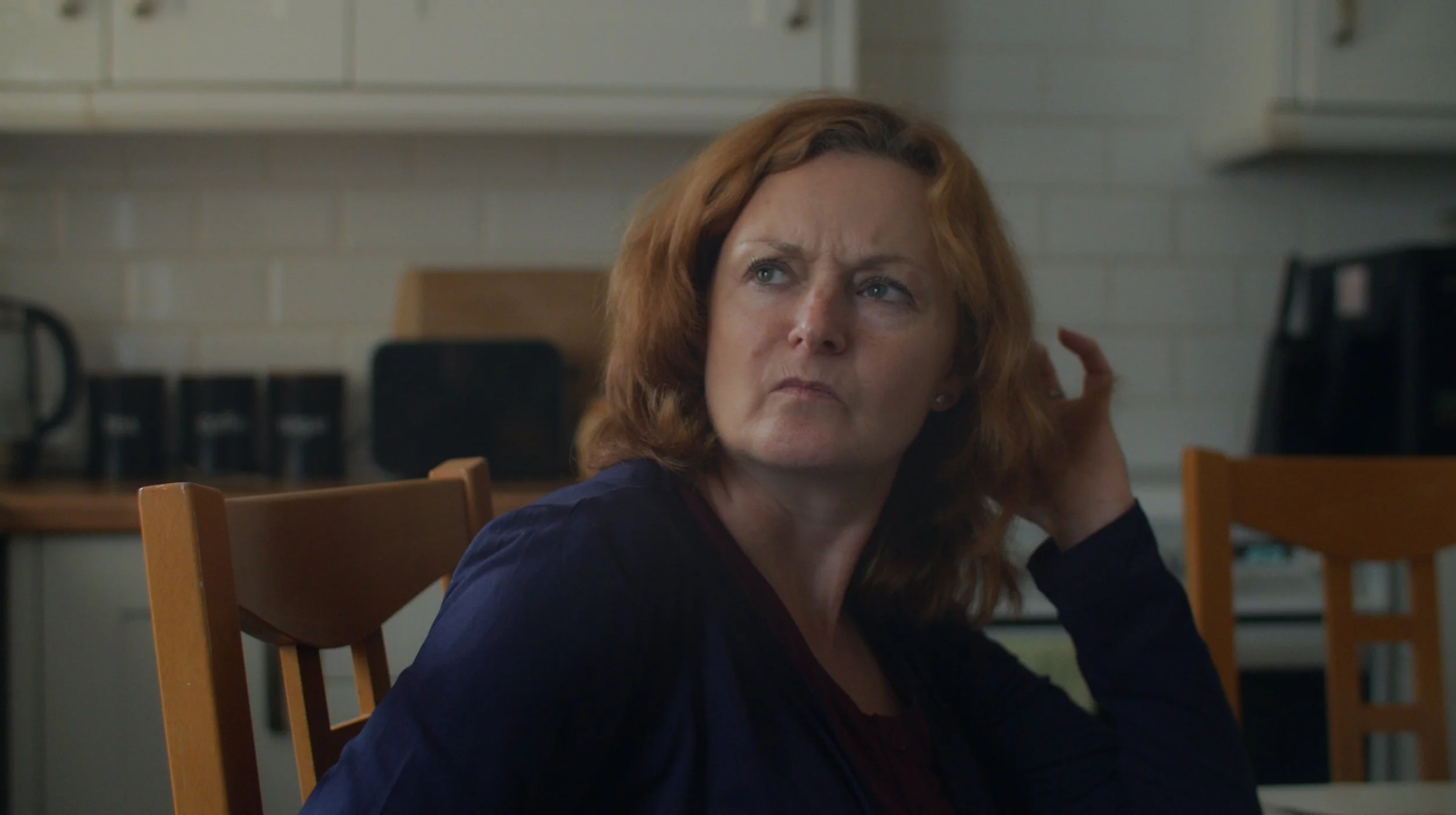
They might be lamps, screens, neon signs, candles, windows, monitors or office lights. When used properly, they make a space feel more natural and believable. They also help add depth and visual interest to the frame.
In brand films and corporate videos, practical lights can make a location feel less sterile.
A desk lamp can add warmth to an office interview. A screen glow can suggest focus and activity. Ambient background lights can make a space feel layered, lived-in and professional.
The important thing is control.
Practical lights should look natural, but they still need to be balanced with the rest of the lighting. If they are too bright, too cold or too distracting, they can pull attention away from the subject. When balanced properly, they help the scene feel more cinematic without feeling artificial.
Small lighting details can make a big difference. They help turn a normal room into a considered visual environment.
Lighting Needs to Stay Consistent Across the Whole Film
Consistency is one of the biggest signs of professional video production.
A film might include interviews, cutaways, office scenes, outdoor footage, product shots, drone footage and social clips. If the lighting changes wildly between each part, the final video can feel disjointed.
Good lighting design helps everything feel connected.
It keeps skin tones natural, backgrounds balanced and visual tone consistent across the edit. This is especially important for multi-location shoots, multi-day productions or campaigns where the footage needs to work across several formats.
Consistency builds trust.
Your audience may not notice every technical detail, but they will sense when a video feels polished and cohesive. Smooth lighting helps the story flow. It stops the film from feeling like a collection of separate clips and turns it into one complete piece of communication. For brands, that cohesion matters. Your video should feel unmistakably like you, wherever it is watched.
Lighting Supports the Edit
Lighting affects what happens after filming too.
Well-lit footage gives editors more flexibility. It helps colours match between scenes, makes skin tones easier to balance, and allows each shot to sit naturally within the wider film. Poor lighting can create problems that are difficult or impossible to fix in post-production.
This is why lighting should be considered from the start.
Before filming begins, it helps to know how the final video will be used. Is it a polished corporate film for your website? A fast-moving social campaign? A warm testimonial? A cinematic brand story? Each format may need a slightly different lighting approach.
When lighting is planned around the edit, the final film feels more seamless.
Shots connect more naturally. Transitions feel smoother. The overall tone is easier to maintain. This makes the video feel more professional and gives your audience a better viewing experience. Strong lighting does not just improve individual shots. It improves the whole film.
How Reverie Films Approaches Lighting
At Reverie Films, we treat lighting as part of the storytelling process. We do not light scenes just to make them brighter. We use light to shape tone, guide attention and support the emotion of the film. Every choice should help the message feel clearer, stronger and more human.
That might mean creating soft, natural light for an interview. It might mean using contrast to add atmosphere to a brand film. It might mean balancing practical lights in a real location so the scene feels authentic but still polished.
Our approach is always led by the story.
Before setting up lights, we think about the purpose of the video, the people on camera, the location, the mood and the audience. From there, we shape the image in a way that feels intentional and true to the brand.
For businesses across Glasgow, Scotland and the wider UK, professional lighting can be the difference between content that simply records information and content that feels cinematic, credible and memorable.
Conclusion
Lighting has a powerful effect on how your video is perceived.
It shapes mood, trust, clarity and emotion. It helps people look natural on camera, gives locations atmosphere, and makes your brand feel more polished and professional. Whether you are filming a corporate interview, brand film, promotional video or social campaign, lighting is one of the key ingredients that makes the final piece feel considered and high quality.
The best lighting does not draw attention to itself.
It supports the story. It helps your audience focus on the people, message and emotion at the heart of the film. When light, composition, sound and editing work together, your video becomes more than content. It becomes a clear and memorable expression of your brand.
At Reverie Films, we combine creative storytelling with careful lighting and production craft to create films that feel cinematic, human and purposeful.