How the Right Equipment Supports Great Video Production
Behind every strong film is a combination of creativity, planning and the right tools. Equipment does not replace storytelling, but it helps make the story clearer, smoother and more professional. From cameras and lenses to lighting, sound and editing systems, the right setup supports the final film at every stage.
Introduction
Great video production is not just about having the latest camera.
The best equipment works quietly in the background. It helps capture clear sound, flattering light, stable movement and consistent images, allowing the story to stay at the centre of the film. When the right tools are used well, the viewer does not think about the equipment. They simply feel that the video looks polished, sounds clear and communicates with confidence.
For businesses, this matters because production quality affects how people experience your brand. Poor sound, awkward lighting or unstable footage can distract from the message, even when the idea itself is strong. Good equipment helps remove those distractions and gives your story the professional foundation it needs.
At Reverie Films, we use equipment to support the creative purpose of each project. Whether we are producing a corporate video, brand film, promotional campaign, event video or documentary-led piece, the goal is never to show off the kit. The goal is to make the final film feel clear, credible and easy to watch.
Equipment Should Serve the Story
Equipment only matters when it serves the story.
A camera, lens, light or microphone should never be chosen just because it looks impressive. It should be chosen because it helps communicate the right tone, emotion and message. A corporate interview may need a calm, clean and controlled setup. A documentary project may need a lighter, more flexible approach. A promotional film may need movement, energy and visual pace.
The right equipment helps shape that feeling.
A shallow depth of field can make an interview feel focused and intimate. Soft lighting can help contributors feel warm and approachable. A stabilised camera move can add polish and control. Clear audio can make a complex message feel easier to understand.
None of these choices are random. They are part of the storytelling process. Professional video production is about knowing which tools to use, when to use them and when to keep things simple. The equipment should support the message, not overpower it.
Cameras Create the Visual Foundation
The camera is the starting point for the visual quality of a film.
Professional cameras allow for greater control over exposure, colour, detail and movement. This helps create footage that feels consistent across different locations, lighting conditions and filming styles. It also gives the edit more flexibility later, especially when balancing colours, matching shots and creating a polished final look.
For businesses, that consistency is important.
Your video may appear on your website, social media, presentations, event screens or internal communications. It needs to hold up across different platforms. Good camera equipment helps make sure the footage feels sharp, stable and professional wherever it is viewed.
But the camera is only part of the picture.
A strong final image comes from the relationship between camera choice, lens choice, lighting, composition and the person operating the equipment. The tool matters, but the judgement behind it matters more. That is why professional production is not just about owning good gear. It is about knowing how to use it with purpose.
Lenses Shape Mood and Perspective
Lenses have a huge influence on how a video feels.
They affect perspective, depth, intimacy and visual style. A tighter lens can make an interview feel focused and personal. A wider lens can show more of a space and give context to the environment. A carefully chosen lens can make a location feel cinematic, natural, spacious or detailed. This is especially useful in corporate video production, where the environment often matters.
An office, school, event space, studio or outdoor location can all communicate something about your organisation. The right lens choice helps show that space in the best way, without making it feel false or overproduced.
Lenses also affect how people appear on camera.
A good lens choice can make an interview feel flattering, calm and comfortable. It can separate the subject from the background, reduce visual distractions and help the viewer focus on what is being said. This is where equipment becomes part of communication. The lens is not just capturing the scene. It is helping guide the viewer’s attention.
Lighting Builds Trust and Atmosphere
Lighting is one of the biggest differences between amateur video and professional video production.
Good lighting helps people look natural, confident and comfortable on camera. It can make a room feel warmer, a brand feel more premium or an interview feel more honest and human. Poor lighting, on the other hand, can make even a strong message feel flat, harsh or unpolished.
The aim is not always to make something look dramatic.
Sometimes the best lighting is subtle. It may simply soften a face, separate someone from the background or bring life into a space that would otherwise feel dull on camera. In a business setting, that can make a huge difference to how professional and trustworthy the final video feels.
Lighting also helps create consistency.
If a project involves several interviews, multiple locations or different filming days, controlled lighting helps keep the finished film visually coherent. That consistency makes the final video feel more considered and easier to watch. Good lighting does not distract from the story. It gives the story room to land.
Sound Is Often the Hidden Difference
Sound is one of the most important parts of professional video production.
Viewers may forgive a slightly imperfect image, but poor sound quickly makes a video difficult to trust. If dialogue is unclear, echoey, noisy or inconsistent, the audience has to work harder to understand the message. That creates friction, and friction weakens impact.
Good audio equipment helps protect the clarity of the film.
This includes the right microphones, proper placement, monitoring during the shoot and an awareness of the filming environment. Busy offices, school corridors, event spaces and outdoor locations can all create sound challenges. Professional audio planning helps avoid those problems before they damage the final edit.
Clear sound is especially important for interviews, testimonials, case studies and educational content.
When people are speaking on behalf of your organisation, their words need to feel clean, confident and easy to follow. The viewer should be able to focus on the person, not the recording quality. Strong sound makes the whole production feel more professional, even when the viewer does not consciously notice it.
Stabilisation and Movement Add Polish
Camera movement can add energy, atmosphere and production value.
A smooth tracking shot, controlled handheld movement, a steady interview frame or carefully planned drone shot can all help make a video feel more cinematic and engaging. But movement needs to be purposeful. It should support the rhythm of the story rather than distract from it.
This is where stabilisation equipment becomes useful.
Tripods, gimbals, sliders and other support systems help create footage that feels intentional. They allow the camera to move smoothly, hold steady or follow action without the image becoming distracting.
For promotional videos, movement can add pace and excitement. For corporate films, it can make a workplace feel active and professional. For documentary-led projects, it can help follow real moments while keeping the footage controlled enough to use in the edit. The best movement feels natural. It gives the film life without making the viewer aware of the technique.


Drones and Specialist Equipment Add Perspective
Some stories benefit from a wider perspective.
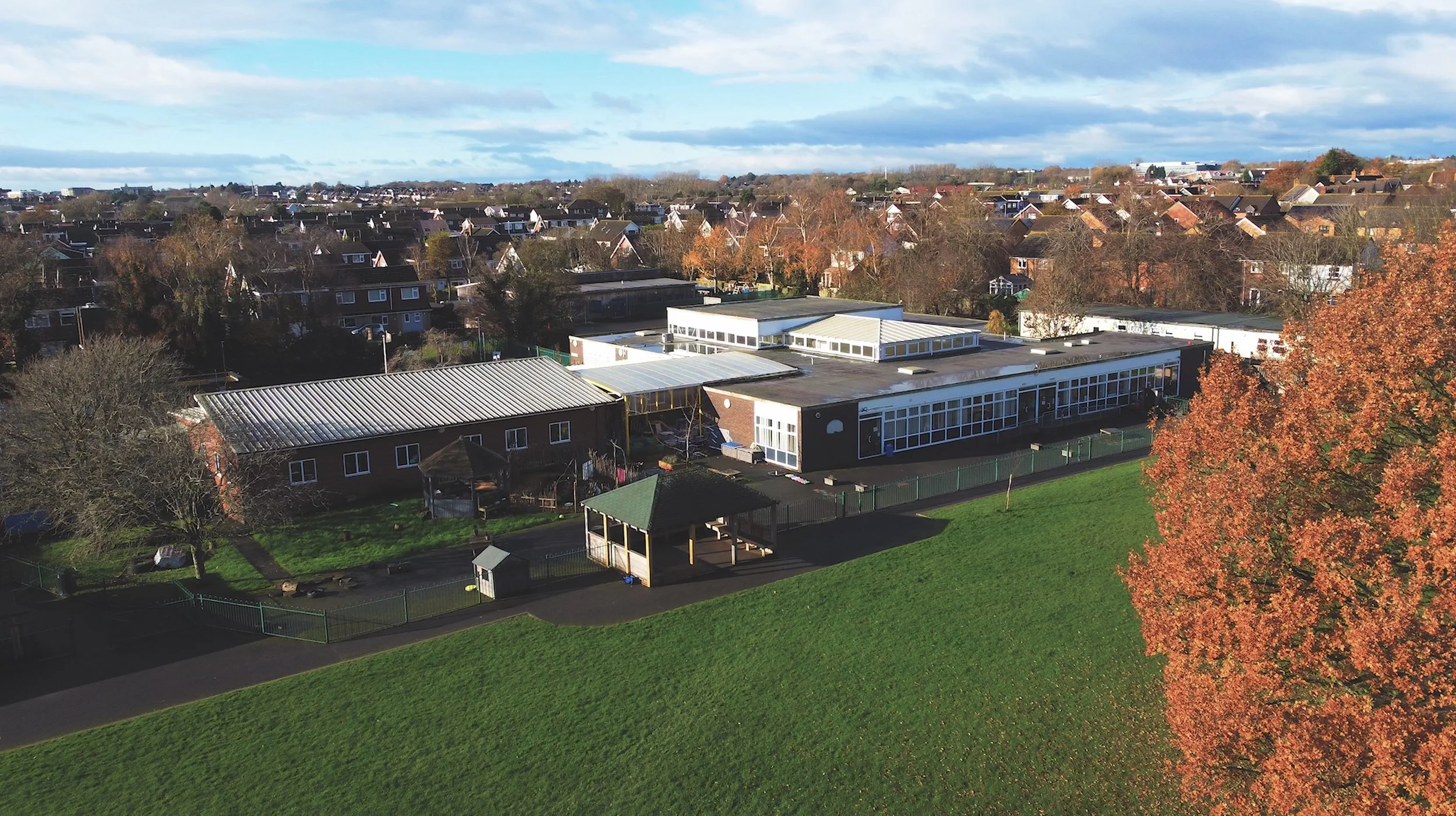
Drone footage can show scale, location and atmosphere in a way ground-based filming cannot. It can establish a setting, reveal a campus, show an event space or give a project a more cinematic sense of place. Used well, it adds context and visual impact.
But drone footage should be used carefully.
It should not be added just because it looks impressive. It needs to support the story, introduce a location or help the viewer understand the scale of the project. Otherwise, it risks feeling decorative rather than meaningful. Specialist equipment works best when it solves a creative problem.
That might mean a drone for aerial context, a teleprompter for a scripted message, a multi-camera setup for live events, portable lighting for a fast-moving shoot or compact equipment for filming in sensitive environments. The right tools help the production adapt to the needs of the project.
Reliable Equipment Makes Shoots Run Smoothly
Professional equipment is not only about image quality. It is also about reliability.
A video shoot often involves people, locations, timings and limited access. When the schedule is tight, equipment needs to work properly. Batteries, media, audio systems, lighting setups, backup kit and monitoring all play a role in keeping production calm and efficient.
This matters for clients because delays create pressure.
If equipment fails or the setup takes too long, it can affect contributors, locations and the quality of the footage captured. Reliable gear helps protect the schedule and allows the crew to focus on the creative work rather than troubleshooting avoidable problems.
Preparation is part of professionalism.
A well-equipped production team arrives ready for the environment, the brief and the possible challenges of the day. That gives clients confidence and helps the shoot feel organised from start to finish. Good equipment does not just improve the film. It improves the experience of making it.
The Right Kit Helps Keep Production Flexible
No two shoots are the same.
One project might involve a quiet interview in an office. Another might involve a busy school, a live event, a public location, a studio setup or a multi-location campaign across Scotland. The right equipment allows the production team to adapt without compromising quality.
Flexibility is especially important for real-world filming.
Lighting conditions change. Rooms are not always ideal. Contributors may have limited time. Background noise can appear unexpectedly. Access may be restricted. A professional kit setup gives the crew options.
That could mean using smaller cameras in sensitive spaces, portable lighting in tight locations, wireless microphones for movement or a two-camera setup to capture interviews with more coverage.
The aim is to make the production feel smooth, even when the environment is unpredictable. Flexible equipment helps keep the focus where it belongs: on the story, the people and the message.
Equipment Supports Better Editing
The choices made during filming directly affect the edit.
Good equipment helps capture cleaner footage, clearer sound, stronger coverage and more consistent visuals. That gives the editor better material to work with and makes the final film stronger.
For example, a two-camera interview setup can create more natural pacing. Clean audio makes dialogue easier to shape. Stable footage gives more usable options. Well-lit shots are easier to match. Good colour information allows for a more polished grade.
This matters because editing is where the final story is built.
If the footage has been captured thoughtfully, the edit has more room to breathe. The editor can focus on structure, emotion, rhythm and message rather than trying to repair technical problems.
Professional equipment helps protect the quality of the project all the way through post-production. It makes the final film feel smoother, more coherent and more intentional.
Technology Should Never Replace Craft
The best equipment is only valuable when it is used with care.
High-end cameras, lenses, lights and microphones do not automatically create a strong video. They need to be guided by creative judgement, storytelling instinct and an understanding of the client’s goals.
This is why professional video production is a balance between technology and craft.
The technology gives the production team control. The craft decides how that control should be used. A good film is not created by equipment alone. It is created by people who know how to use that equipment to communicate clearly.
For clients, that distinction matters.
You are not just hiring cameras. You are hiring experience, taste, planning and problem-solving. The equipment is part of the value, but the real value comes from how it is applied. When technology supports the story instead of dominating it, the final video feels effortless.
Conclusion
Equipment matters because quality matters.
The right tools help capture your message with clarity, consistency and confidence. They improve the look, sound and flow of the final film, while making the production process smoother and more reliable.
But equipment is only one part of great video production. It works best when combined with strong planning, thoughtful direction, creative judgement and a clear understanding of the story being told.
At Reverie Films, we use professional equipment to support purposeful filmmaking. Whether we are creating a corporate video, promotional film, brand story, event film or documentary-led project, every technical decision is made to serve the final message.
The best gear does not steal attention. It helps your story look, sound and feel the way it should.