Drone Video Production for Better Brand Films
Drone footage adds scale, movement and atmosphere to your video content. Used with purpose, aerial cinematography can turn a simple brand film, corporate video or campaign into something more cinematic, memorable and emotionally engaging. The strongest drone shots do more than look impressive. They help the audience understand place, scale and context.
Introduction
Drone video has changed what businesses can show on screen.
Aerial footage gives your audience a perspective they cannot get from the ground. It can reveal the scale of a location, introduce a setting, create movement between scenes or add a cinematic sense of atmosphere to a brand film.
But drone footage works best when it has a purpose.
A beautiful aerial shot might grab attention, but it needs to support the story. The strongest drone video production is not about flying high for the sake of it. It is about using height, movement and perspective to help your audience understand the place, the people and the message more clearly.
For businesses across Glasgow, Scotland and the wider UK, drone footage can add real value to corporate videos, promotional campaigns, education films, property videos, tourism content and documentary-style storytelling. Here is how aerial cinematography can strengthen your next video project.
Aerial Perspective Gives Your Story Scale
Sometimes a story needs space.
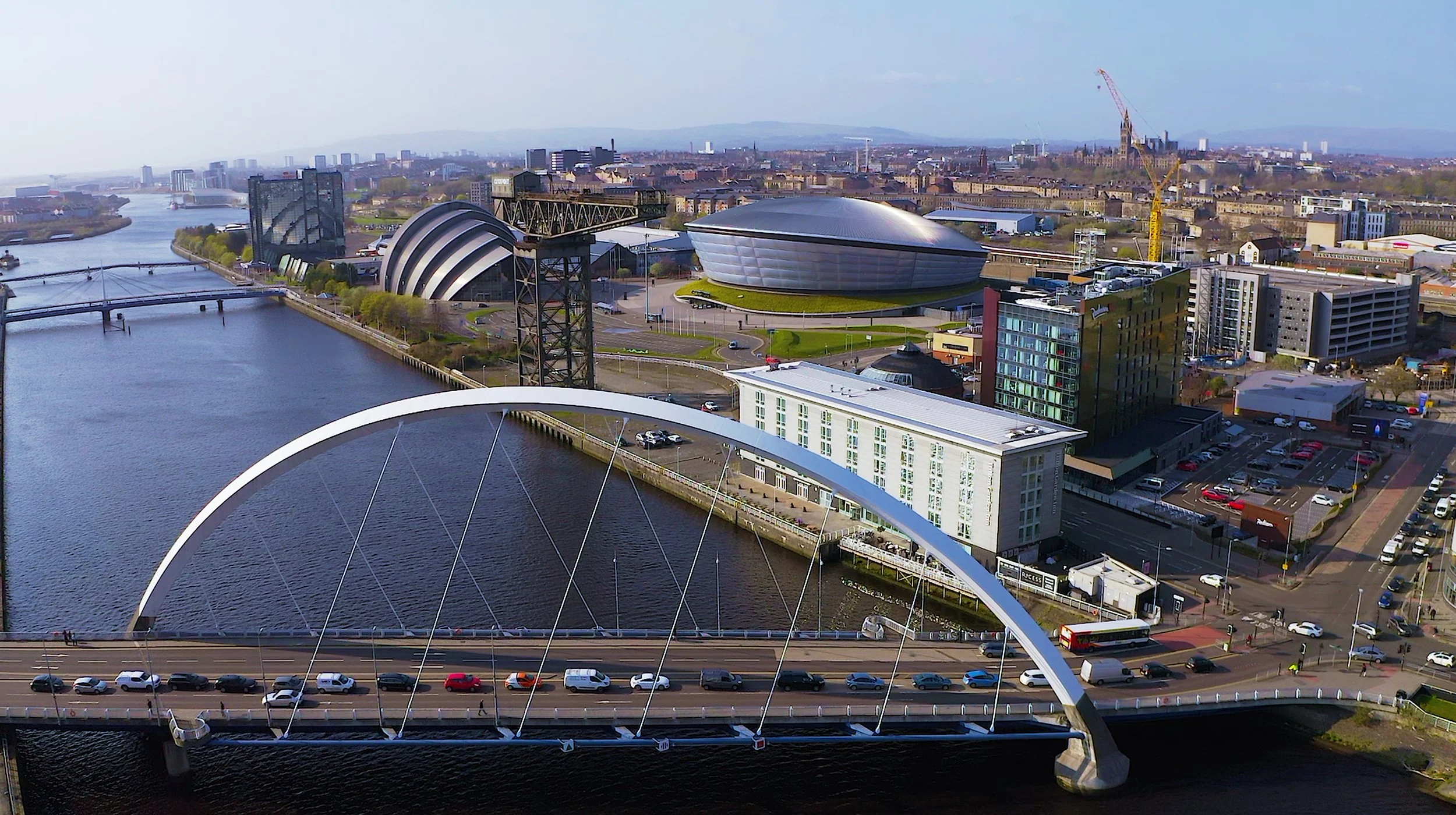
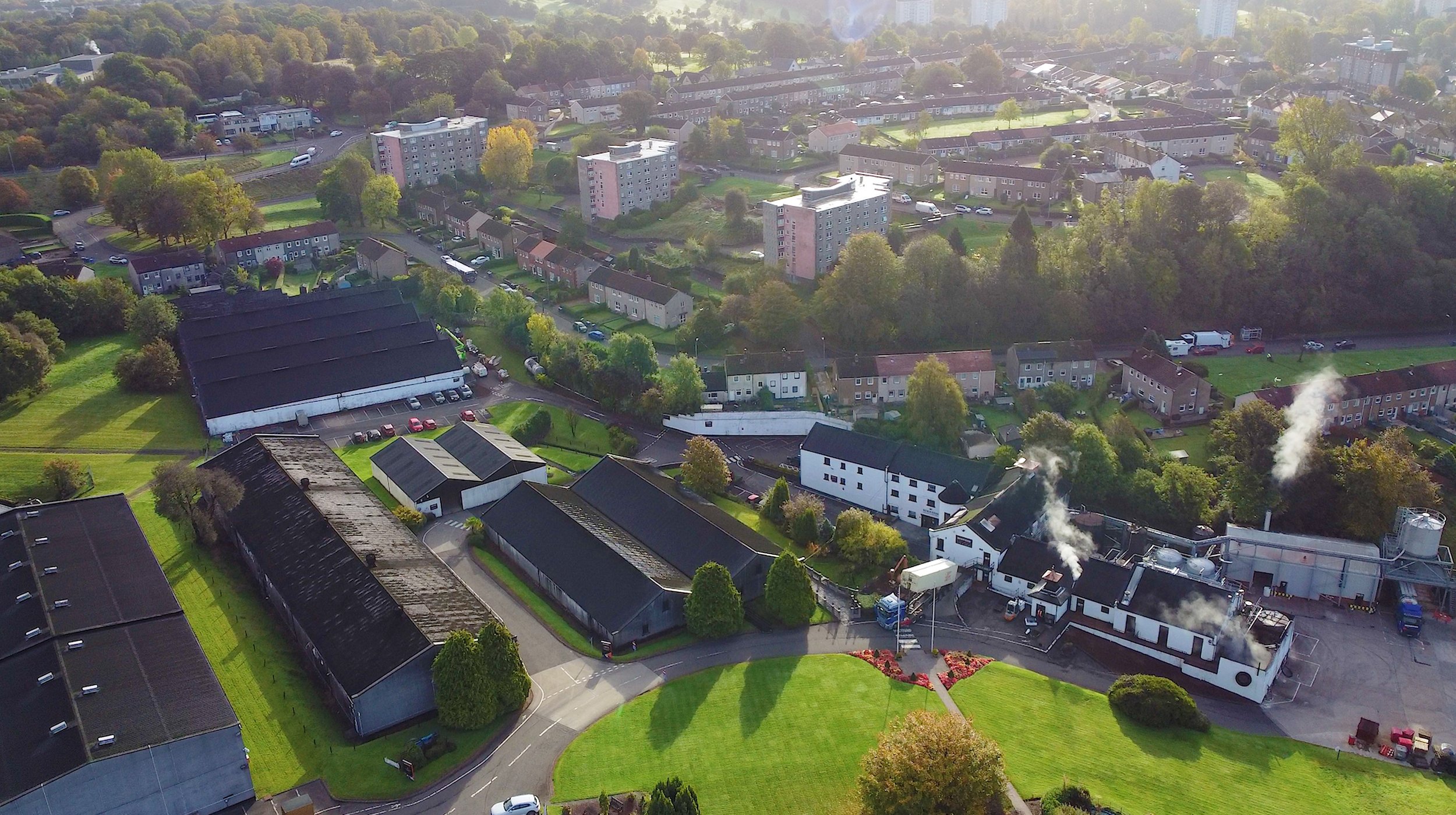
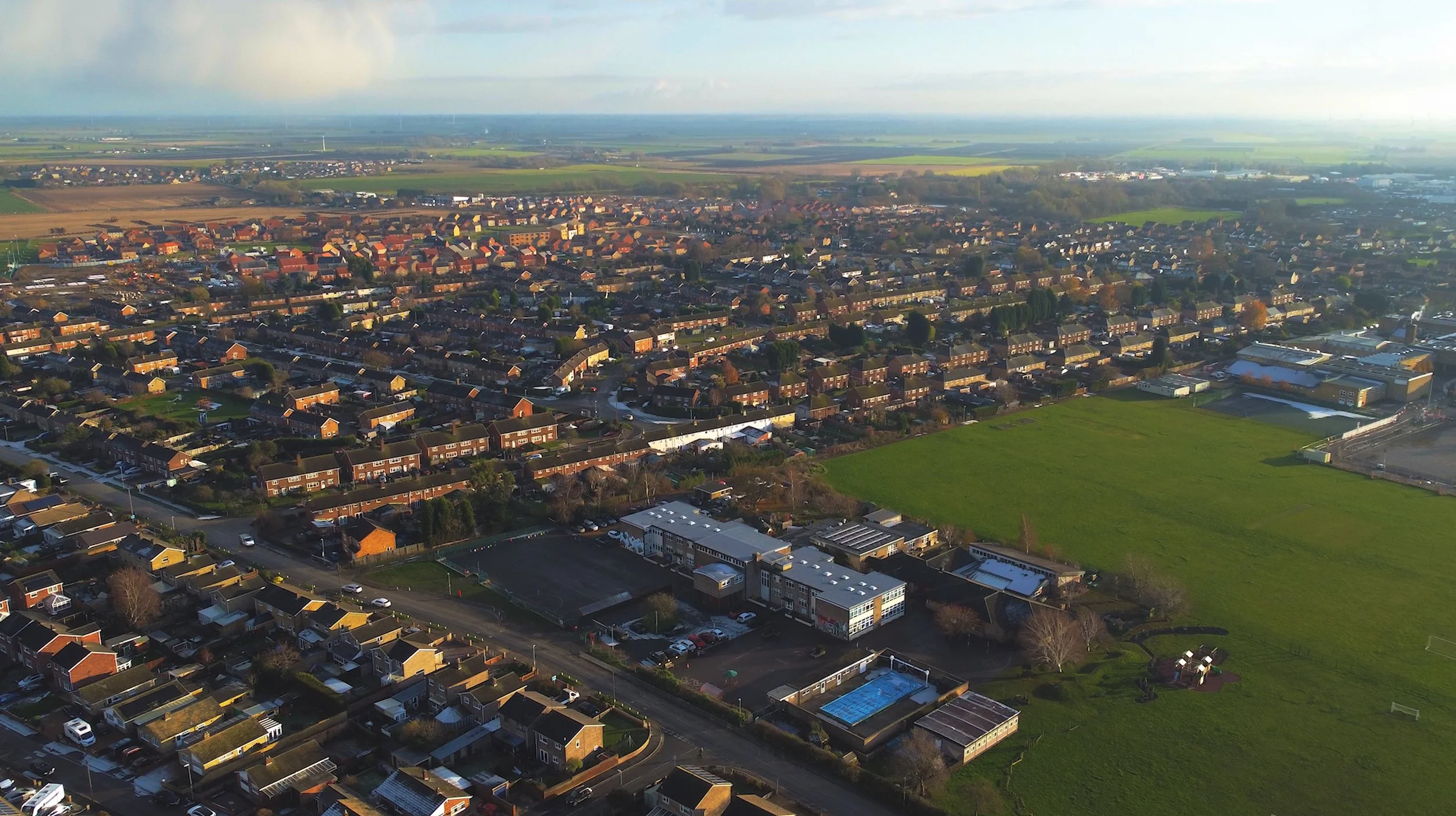
A drone shot can instantly show the size of a campus, the setting of a business, the atmosphere of a venue or the landscape surrounding a project. It helps your audience understand where they are before the detail begins.
This is especially useful for organisations with a strong connection to place.
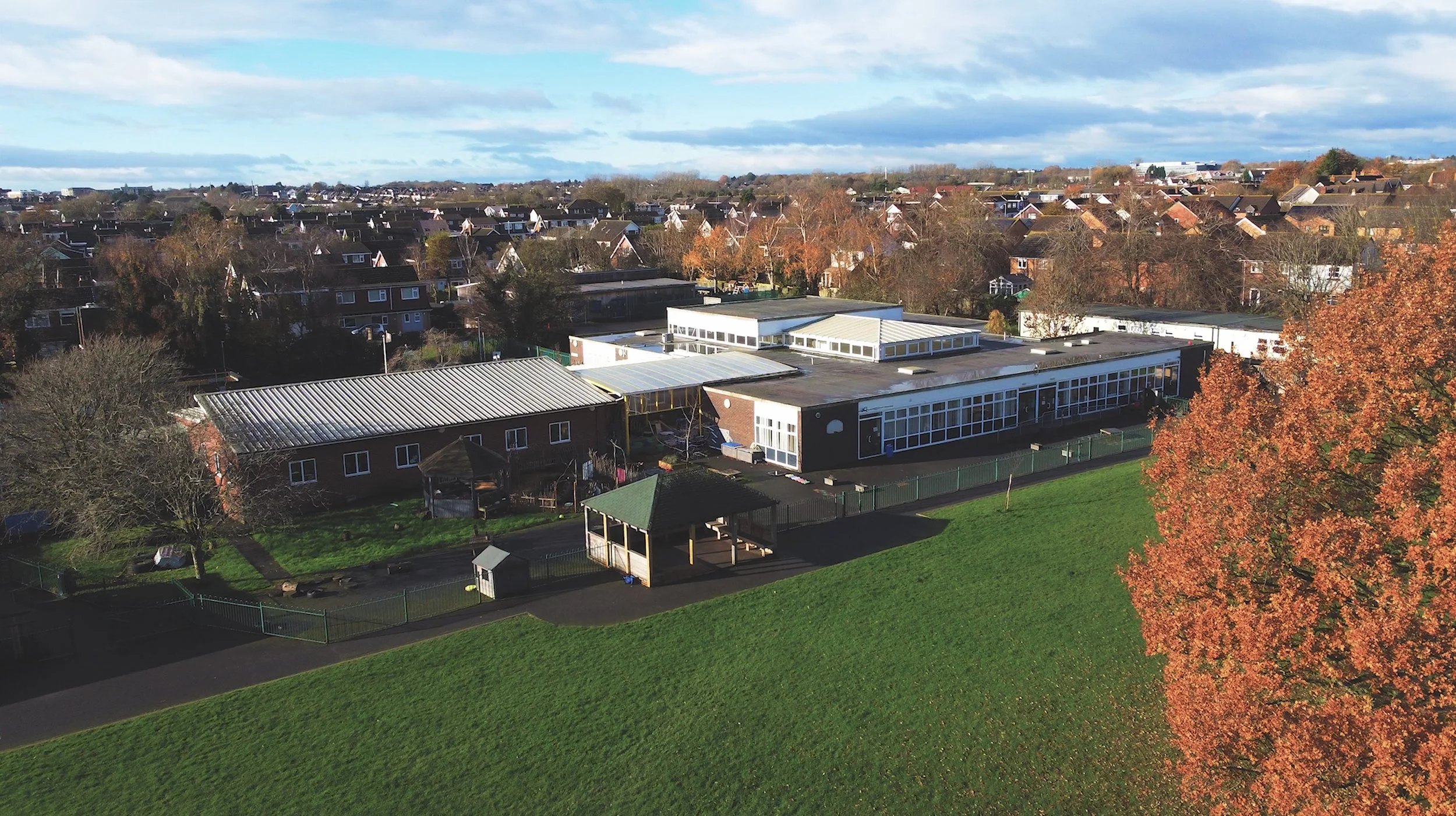
A school can show its grounds and community. A university can reveal the scale of its campus. A tourism brand can showcase the surrounding landscape. A business can place itself within a city, neighbourhood or wider environment.
That sense of scale gives your video context.
Instead of jumping straight into close-ups and interviews, aerial footage can establish the world of the story. It helps viewers orient themselves and gives the film a more cinematic opening. Used well, drone footage does not just show a location. It gives the audience a feeling for it.
Movement Creates Energy and Emotion
Drone footage is powerful because it moves with purpose.
A slow rise can create anticipation. A wide pull-back can reveal scale. A smooth tracking shot can guide the viewer through a location. A gentle drift can create calm, while a faster movement can suggest pace, growth or momentum.
The movement should always match the message.
A corporate video about innovation might benefit from confident, forward-moving aerials. A documentary story might need slower, more reflective shots. A school or charity film may use drone footage to create warmth, openness and connection. The key is restraint.
Not every video needs dramatic aerial moves. Sometimes the most effective drone shot is simple, steady and quiet. It gives the viewer room to take in the setting without distracting from the people or story. When planned properly, drone movement becomes part of the rhythm of the edit. It supports the emotion rather than competing for attention.
Drone Footage Adds a Strong Sense of Place
Place matters in video storytelling.
Whether you are filming in Glasgow, Edinburgh, the Highlands or anywhere across Scotland, location can shape how your audience feels. Streets, buildings, landscapes and skylines all carry atmosphere. Drone footage helps capture that atmosphere in a way ground cameras often cannot.
For businesses, this can be especially valuable.
Aerial footage can show where you work, who you serve and the environment your organisation belongs to. It can connect your brand to a city, community or landscape, giving your video a more grounded and memorable identity.
This works across many types of video.
A promotional film can use drone footage to make a location feel more exciting. A corporate video can use aerials to create polish and scale. A documentary can use landscape to add emotional depth. A case study can use establishing shots to make the story feel more complete.
Strong aerial footage helps your audience feel the world around the message.
Where Drone Video Works Best
Drone footage can support many different kinds of video production.
For corporate videos, it can establish offices, facilities, venues and wider business environments. For educational films, it can show campuses, outdoor learning spaces or school communities from a wider perspective. For tourism and hospitality, it can capture scenery, setting and atmosphere. For events, it can show scale, location and arrival moments.
It can also work well in brand films and campaign videos.
Aerial shots can create a sense of ambition, openness or momentum. They can help a film feel bigger without losing the human story at its centre. When combined with interviews, close-ups and natural moments, drone footage gives the edit more variety and visual impact.
But it should never be added just because it looks impressive.
The question should always be: does this shot help tell the story? If the answer is yes, drone footage can become one of the most memorable parts of the film. If the answer is no, it may simply distract from the message. The best aerial cinematography feels intentional.
Professional Planning Matters
Drone filming needs preparation.
Before a drone is used on a shoot, there are practical details to consider: location, weather, timing, safety, permissions, surroundings and the purpose of each shot. Good planning helps make sure the footage is not only visually strong, but also appropriate for the project.
Weather is especially important in Scotland.
Light, wind, rain and visibility can all affect what is possible on the day. A professional approach means having a clear plan, but also knowing when to adapt. Sometimes the best shot comes from waiting for the right moment. Sometimes the smartest decision is to change the plan and protect the quality of the final film.
Planning also makes the shoot more efficient.
Instead of capturing random aerial footage and hoping it works later, each shot should be designed around the edit. That means knowing where the drone footage will appear, what it needs to communicate and how it will connect with the rest of the film. A professional drone sequence begins long before the drone leaves the ground.


Drone Footage Should Work with the Whole Film
Aerial footage is strongest when it feels connected to the rest of the video.
The drone shots should match the tone, pace and visual style of the project. If the ground footage feels intimate and human, the aerials should support that feeling rather than pulling the film in a completely different direction. If the video is bold and energetic, the drone movement can reflect that energy.
This is where editing matters.
Drone footage should not feel like a separate showreel dropped into the middle of the film. It should work with interviews, close-ups, music, sound design and narrative structure. The aerial shots should help the story breathe, transition or build.
For example, a drone shot might open the film by establishing the location. It might create a natural break between sections. It might reveal the scale of a project after someone has described its impact. It might close the film with a sense of perspective and completion.
When drone footage is integrated properly, it makes the whole video feel more polished and cohesive.
More Than a Nice Shot
The biggest mistake with drone footage is treating it as decoration.
Aerial cinematography should add meaning. It should show something the audience needs to understand or feel. That might be scale, movement, ambition, landscape, community or atmosphere.
A nice shot is not enough on its own.
The footage needs to serve the purpose of the video. For a brand film, it might help express identity. For a corporate video, it might communicate professionalism and confidence. For a charity or education film, it might show environment, access and community. For a promotional campaign, it might create excitement and visual momentum.
Drone footage is most effective when it supports the story rather than stealing attention from it. It should make the message feel bigger, clearer or more emotionally complete.
How Reverie Films Uses Drone Video Production
At Reverie Films, we use drone footage as part of the wider storytelling process.
We do not see aerial cinematography as a standalone add-on. We use it where it strengthens the film, adds context or gives the audience a more powerful sense of place. Every shot should have a reason to be there.
Our approach combines planning, creativity and restraint.
We think about how the drone footage will sit alongside interviews, natural moments, location details, music and pacing. Whether we are creating a corporate video, education film, documentary-style piece or promotional campaign, the goal is always the same: to create video content that feels cinematic, purposeful and emotionally clear.
For businesses and organisations across Glasgow, Scotland and the UK, drone video production can be a powerful way to show scale, place and ambition. But the real value comes from knowing how to use it well.
Conclusion
Drone footage can elevate a video, but only when it serves the story.
Used with purpose, aerial cinematography adds scale, movement and atmosphere. It helps audiences understand where they are, feel the energy of a location and connect with the message in a more cinematic way.
The best drone video production is not just about impressive visuals. It is about planning, timing, movement and meaning. It works alongside the rest of the film to create something polished, cohesive and memorable.
At Reverie Films, we create video content that combines strong storytelling with thoughtful visuals, including drone footage where it adds real value. If your project needs scale, atmosphere or a fresh perspective, aerial cinematography could help bring your story to life.