On-Camera Interview Tips for Better Brand Videos
Strong interviews can turn a simple business video into something human, credible and memorable. With the right preparation, setting and filming approach, an on-camera interview can help your audience connect with the people behind your brand. It gives your message a voice and makes your story feel more personal and believable.
Introduction
Interviews are at the heart of many great brand videos.
Whether you are creating a corporate film, testimonial video, recruitment piece, charity story or educational campaign, the interview is often where the message becomes real. It gives your video a voice. It lets people speak honestly about their work, their values and their experience.
But a strong on-camera interview does not happen by accident.
It takes preparation, trust and a calm filming environment. The best interviews feel natural, but they are supported by careful decisions around questions, lighting, framing, sound and editing.
For businesses across Glasgow, Scotland and the wider UK, interview-led video production can be one of the most effective ways to build trust. It helps audiences see the people behind the organisation, understand what you stand for and feel more connected to your message. Here are the key things that make an on-camera interview work.
Start with a Clear Purpose
Before anyone sits in front of the camera, you need to know what the interview is there to achieve.
Is the video designed to build trust? Explain a service? Share a client story? Recruit new staff? Show impact? Introduce your organisation? The answer should shape every question you ask and every creative decision you make.
Without a clear purpose, interviews can become too broad. People may give interesting answers, but the final video can feel unfocused. A strong interview has direction. It knows what the audience needs to understand, feel or do by the end.
This does not mean scripting every answer.
In fact, over-scripting often makes people sound less natural. The aim is to guide the conversation, not control it completely. A clear purpose gives the interview structure while still allowing space for honesty, personality and unexpected moments.
When the goal is clear, the interview becomes easier for everyone. The subject knows what they are speaking about, the filmmaker knows what moments to listen for and the final edit has a stronger story to follow.
Choose the Right Interview Setting
The location of an interview says more than people realise.
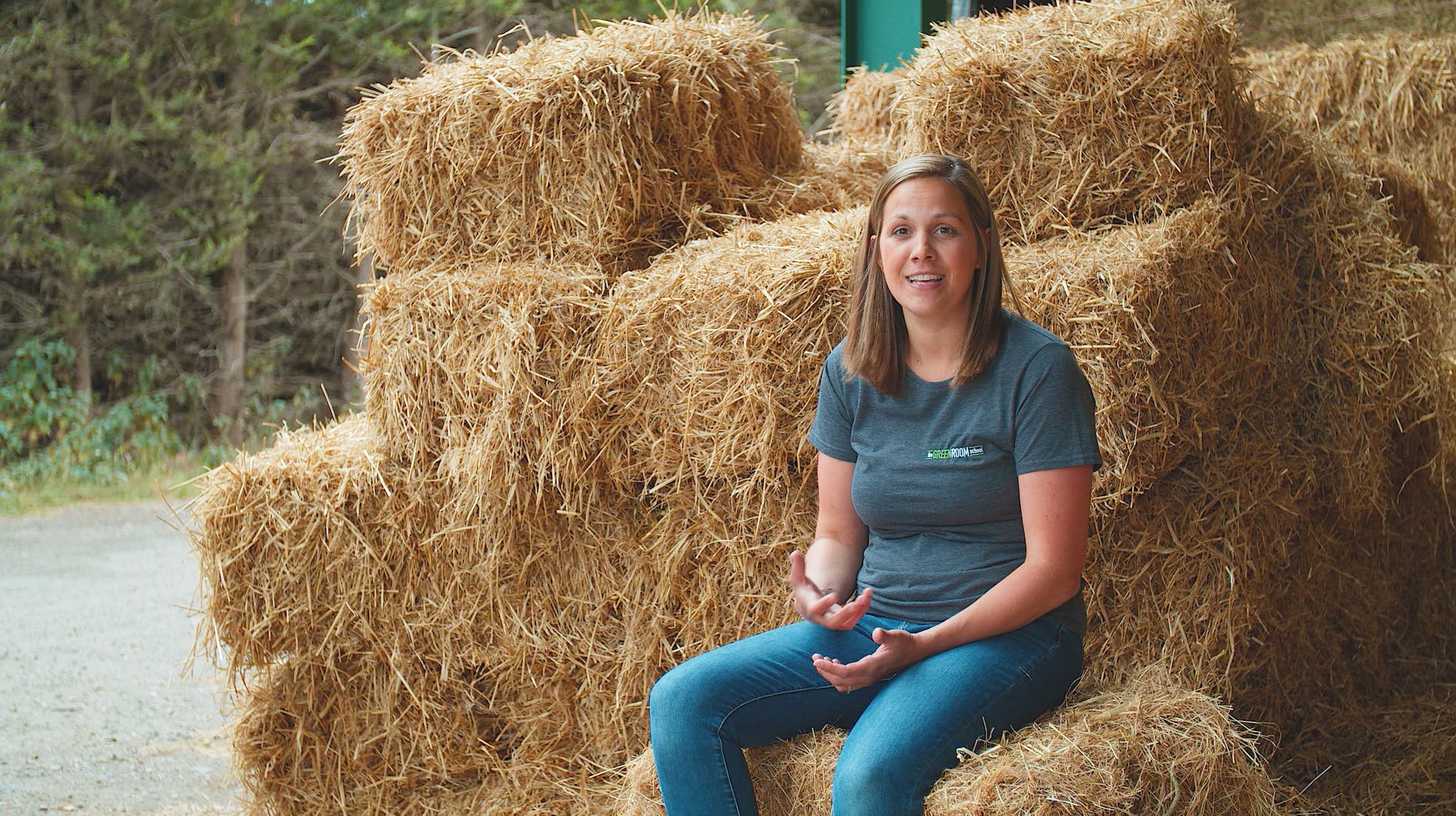
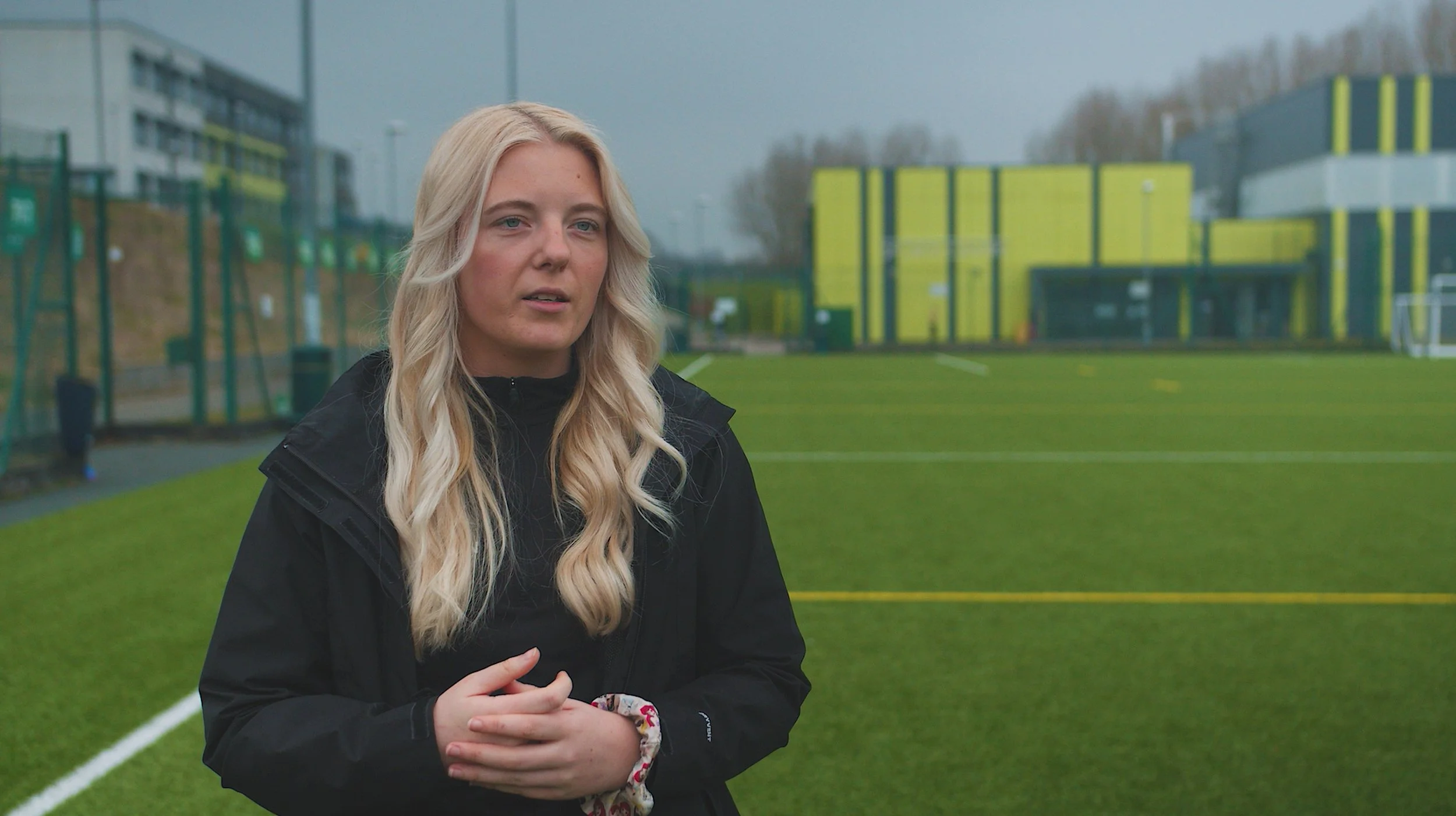
A plain room can work, but it may not always tell the audience much about your organisation. A more considered setting can add context, personality and visual interest. This might be an office, studio, workshop, classroom, venue, factory floor or outdoor location connected to the story being told.
The best interview locations feel relevant.
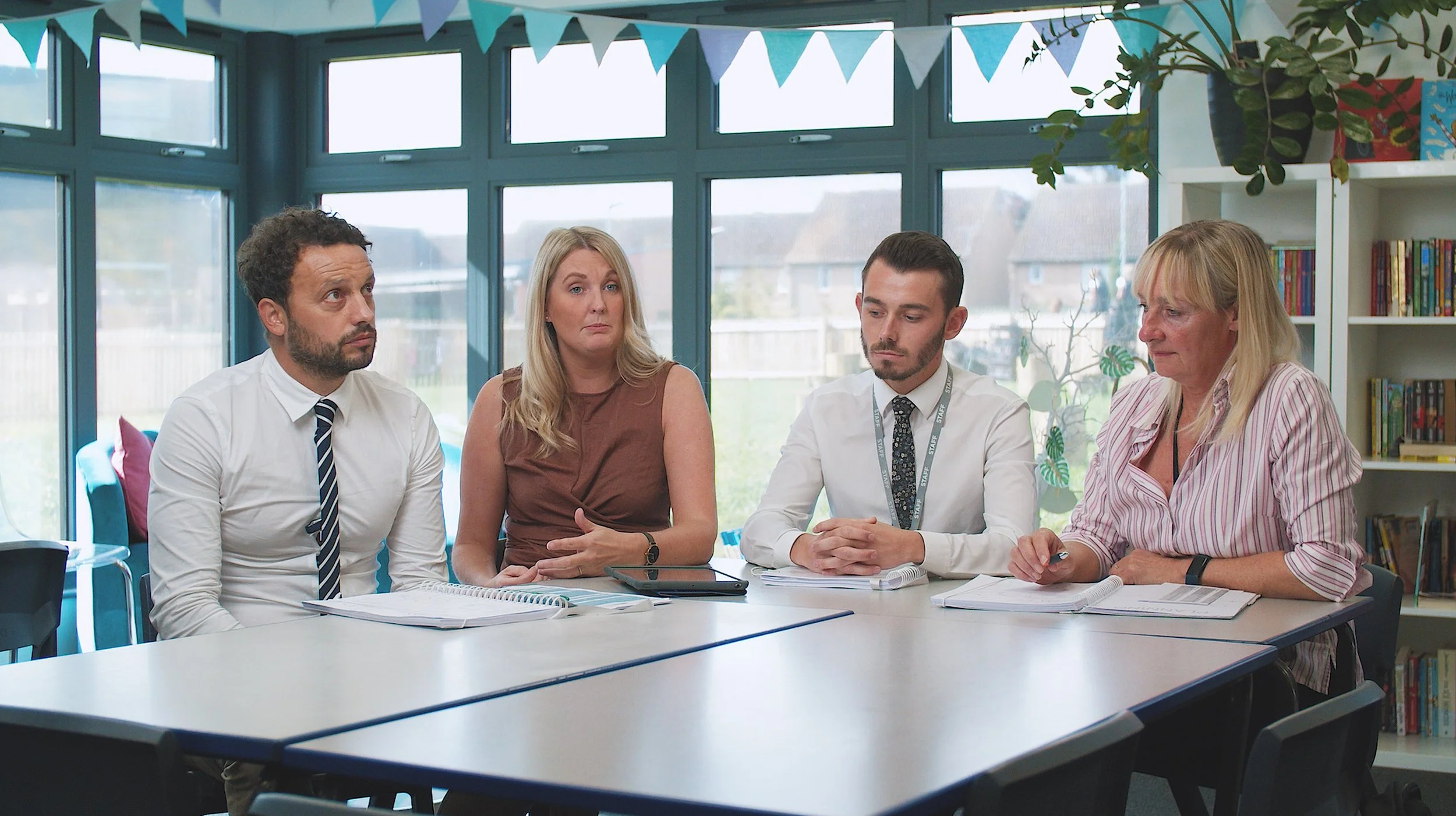
If you are filming a founder, their workspace might help tell the story. If you are filming a school, the environment should reflect the energy and care of the place. If you are filming a client testimonial, the setting should feel comfortable and authentic rather than staged.
Practical details matter too.
A good interview location needs to be quiet enough for clean audio, controlled enough for lighting and spacious enough to frame the subject properly. Backgrounds should add depth without distracting from the person speaking. A strong setting supports the interview. It gives the viewer a sense of place while keeping attention on the person and the message.
Help People Feel Comfortable on Camera
Most people are not used to being filmed.
Even confident speakers can feel nervous when lights, cameras and microphones are suddenly placed around them. That nervousness is completely normal, and it is one of the main reasons a supportive filming process matters.
A good interview begins before recording starts.
Taking time to chat, explain the process and make the person feel at ease can completely change the quality of the final footage. People speak better when they feel safe, listened to and not overly pressured to perform.
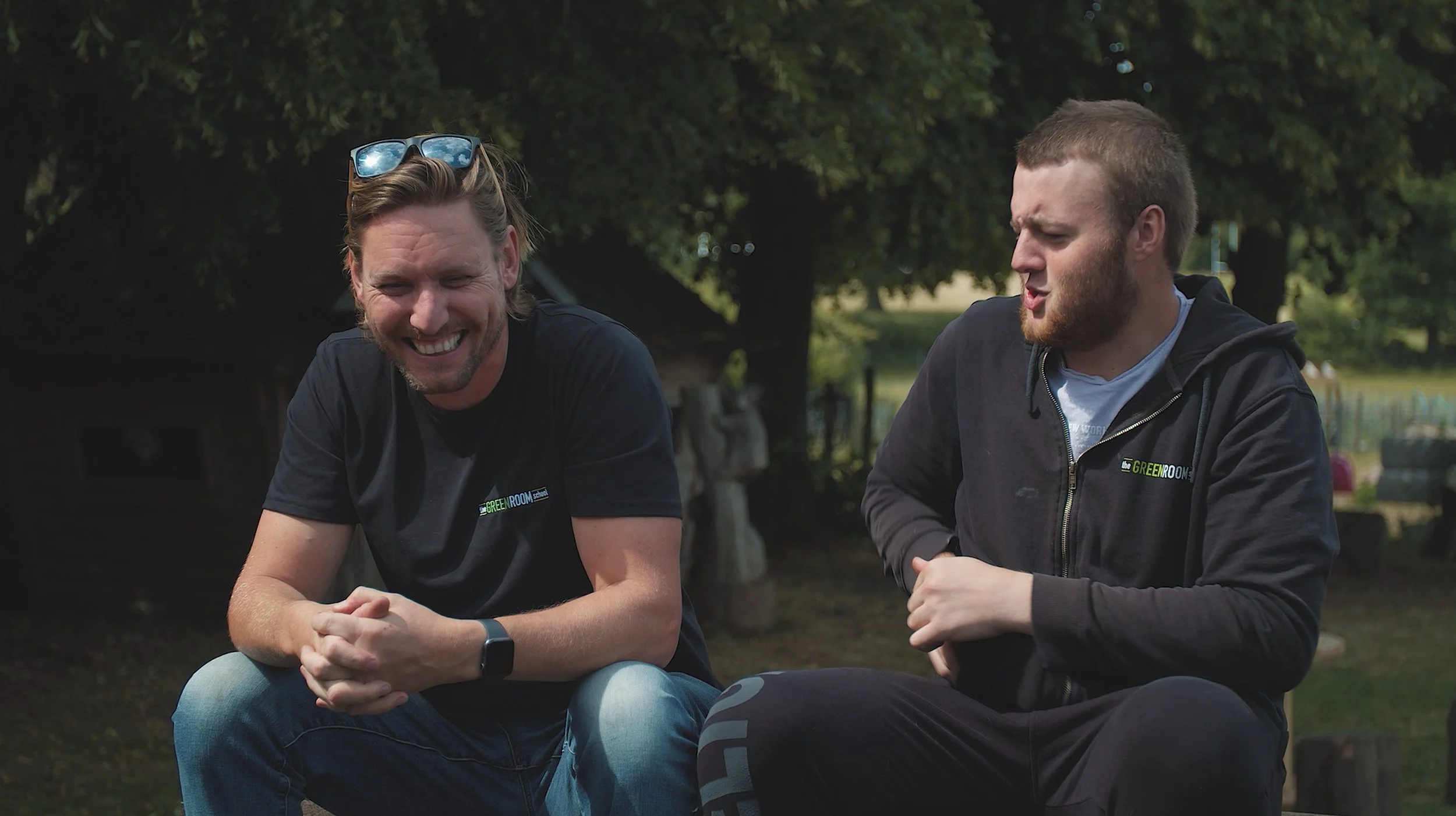
The best interviews feel like conversations.
Instead of asking someone to “deliver lines,” the aim is to help them respond naturally. A good interviewer listens carefully, asks follow-up questions and gives the subject room to think. Pauses, restarts and imperfect moments are all part of the process.
Comfort creates honesty.
When someone relaxes, their personality comes through. Their answers become warmer, clearer and more believable. That is what makes interview-led video so powerful: the audience can sense when someone is speaking from a real place.
Ask Questions That Bring Out Real Answers
Good questions shape good interviews.
If the questions are too vague, the answers can feel generic. If they are too leading, the responses can sound forced. The strongest questions are open, specific and designed to bring out stories rather than simple statements.
For example, instead of asking, “Do you enjoy your work?” you might ask, “What part of the work feels most meaningful to you?” Instead of asking, “Is this service useful?” you might ask, “What changed after working with this team?”
These kinds of questions encourage people to reflect.
They help uncover real examples, specific details and emotional truth. That is where the strongest material usually comes from. Audiences do not just want to hear claims; they want to hear lived experience.
Preparation helps here.
Before filming, it is useful to understand the subject, the organisation and the message the video needs to communicate. This allows the interviewer to ask sharper questions and recognise important moments as they happen. A great interview is not just about what is asked. It is about listening closely enough to know when to go deeper.
Get the Framing, Lighting and Sound Right
The technical side of an interview should feel invisible when it is done well.
Framing, lighting and sound all influence how the audience perceives the person on screen. A well-lit interview feels professional and considered. A carefully framed shot creates focus and confidence. Clean sound makes the speaker feel clear, present and trustworthy.
Poor technical quality can weaken the message.
If the lighting is harsh, the frame feels awkward or the sound is difficult to hear, viewers may become distracted. Even if the words are strong, the overall impression can suffer.
Professional interview filming brings control.
Lighting can shape mood and depth. Camera placement can make the subject feel authoritative, relaxed or intimate. Lens choice can affect how close and personal the interview feels. Sound recording can remove distractions and make every word land clearly.
The goal is not to make the setup feel artificial. The goal is to make the person look and sound like the best version of themselves. When the technical choices are handled properly, the viewer can focus fully on the story being told.
Use B-Roll to Bring the Interview to Life
An interview gives your video its voice, but B-roll gives it movement and context.
B-roll is the supporting footage that plays around the interview. It might show people at work, details of a space, hands in motion, products being used, a team interacting, students learning, clients arriving or a process unfolding.
This footage is essential.
Without B-roll, an interview video can become visually static. With the right supporting shots, the story becomes richer and more engaging. The viewer can see what the speaker is talking about rather than only hearing it described.
Good B-roll is intentional.
It should not be filler. Every shot should support the message, reveal something useful or add emotional texture. If someone talks about collaboration, show collaboration. If they talk about care, show the detail and attention behind the work. If they talk about impact, show the people affected by it. The combination of interview and B-roll is what turns a talking-head video into a story-led film.
Keep It Natural, Not Over-Produced
A polished interview should still feel human.
One of the risks in corporate video production is making everything too controlled. If the person sounds overly rehearsed or the edit removes every natural pause, the final video can lose warmth.
Authenticity matters.
Small pauses, thoughtful answers and genuine emotion can make an interview feel more believable. The goal is not to make people sound like presenters. The goal is to help them communicate clearly while still sounding like themselves.
This is especially important for brand films, testimonials and recruitment videos.
People want to understand the culture of an organisation. They want to sense whether the message is real. Natural interviews help create that trust because they show the people behind the brand, not just the polished surface. Professional video production should enhance that honesty, not cover it up.
Shape the Story in the Edit
The interview is captured during filming, but the story is shaped in the edit.
Editing is where strong answers are selected, arranged and supported with visuals, music and pacing. A good edit removes repetition, finds the clearest emotional thread and turns a longer conversation into a focused, watchable film.
This stage requires judgement.
The strongest line may not always be the most polished. The most useful answer may need to be combined with another moment to create clarity. The pacing may need to slow down for emotion or speed up to create energy.
A good interview edit feels effortless.
The audience should feel like the speaker is guiding them naturally through the story. The structure should be clear, but not obvious. The message should build with purpose, moving from context to insight to feeling to action. This is where interview-led videos become more than recorded conversations. They become crafted communication.
How Reverie Films Approaches Interview Filming
At Reverie Films, we approach interviews with care, patience and purpose.
We know that most people are not professional presenters, and they do not need to be. Our role is to create an environment where people feel comfortable enough to speak honestly and clearly.
Before filming, we take time to understand the story, the audience and the purpose of the video. On the shoot, we guide the process calmly, balancing technical precision with a relaxed atmosphere. In the edit, we shape the strongest moments into a film that feels natural, polished and emotionally clear.
Whether it is a corporate video, testimonial, recruitment film, educational story or brand campaign, we use interviews to reveal the people and values behind the message. For organisations in Glasgow, Scotland and beyond, interview-led video can be one of the most effective ways to build trust and communicate with authenticity.
Conclusion
A great on-camera interview does more than share information.
It reveals personality, builds credibility and helps audiences connect with the people behind your organisation. When handled with care, an interview can turn a business message into something human, memorable and persuasive.
The strongest interviews come from preparation, trust and thoughtful production. They need the right questions, the right setting, clean sound, careful lighting and an edit that respects the story being told.
At Reverie Films, we create interview-led videos that feel natural, cinematic and purposeful. If your organisation has people, values or stories worth sharing, the right interview can help your audience see them clearly.