Sound Design for Professional Video Production
Sound shapes how a video feels. From clear dialogue and music to atmosphere, rhythm and subtle sound design, professional audio helps your story feel polished, emotional and believable. Good sound keeps the viewer focused, supports the tone of the film and makes every interview, scene and transition feel more considered.
Introduction
Great video is not only about what people see. It is also about what they hear.
Sound gives a film weight, rhythm and emotion. It helps dialogue feel natural, music feel purposeful, and every scene feel connected. When audio is clear and carefully designed, the viewer stays focused on the message. When it is poor, even beautiful footage can feel amateur or distracting.
For businesses, this matters.
A corporate video, brand film or campaign piece needs to feel trustworthy. Your audience should be able to hear every word, feel the tone of the story and connect with the people on screen. Professional sound design helps make that happen.
From interviews and voiceovers to music, ambience and final mixing, audio is one of the most important parts of video production. It may not always be the first thing people notice, but it is often the reason a video feels polished, immersive and memorable.
Good Sound Builds Trust
Audiences are quick to forgive a slightly imperfect shot, but poor audio is much harder to ignore.
Muffled speech, echo, background noise or uneven volume can pull people out of the story immediately. If your audience has to work hard to understand what is being said, they are less likely to stay engaged. Worse, poor sound can make your brand feel less professional, even if the visuals look strong.
Clean audio creates confidence.
It tells the viewer that care has gone into the production. It makes interviews feel more credible, brand stories feel more polished, and corporate videos feel easier to watch. When sound feels natural and controlled, the viewer can focus on the message rather than the production.
For businesses investing in video, this is essential. Your video represents your brand. Every detail, including the sound, affects how professional, reliable and trustworthy you appear.
Dialogue Is the Heart of Many Brand Films
In corporate video production, dialogue often carries the story.
Whether it is a founder explaining the company’s purpose, a client sharing a testimonial, or a team member describing their work, spoken words help audiences understand the people behind the brand. But for dialogue to work, it needs to sound clear, natural and human.
That starts on set.
The right microphones, careful placement, controlled environments and proper monitoring all make a huge difference. A great interview is not only about framing and lighting. It is also about capturing the voice clearly, avoiding distracting background noise, and helping the person on camera sound relaxed and confident.
Good dialogue should feel effortless.
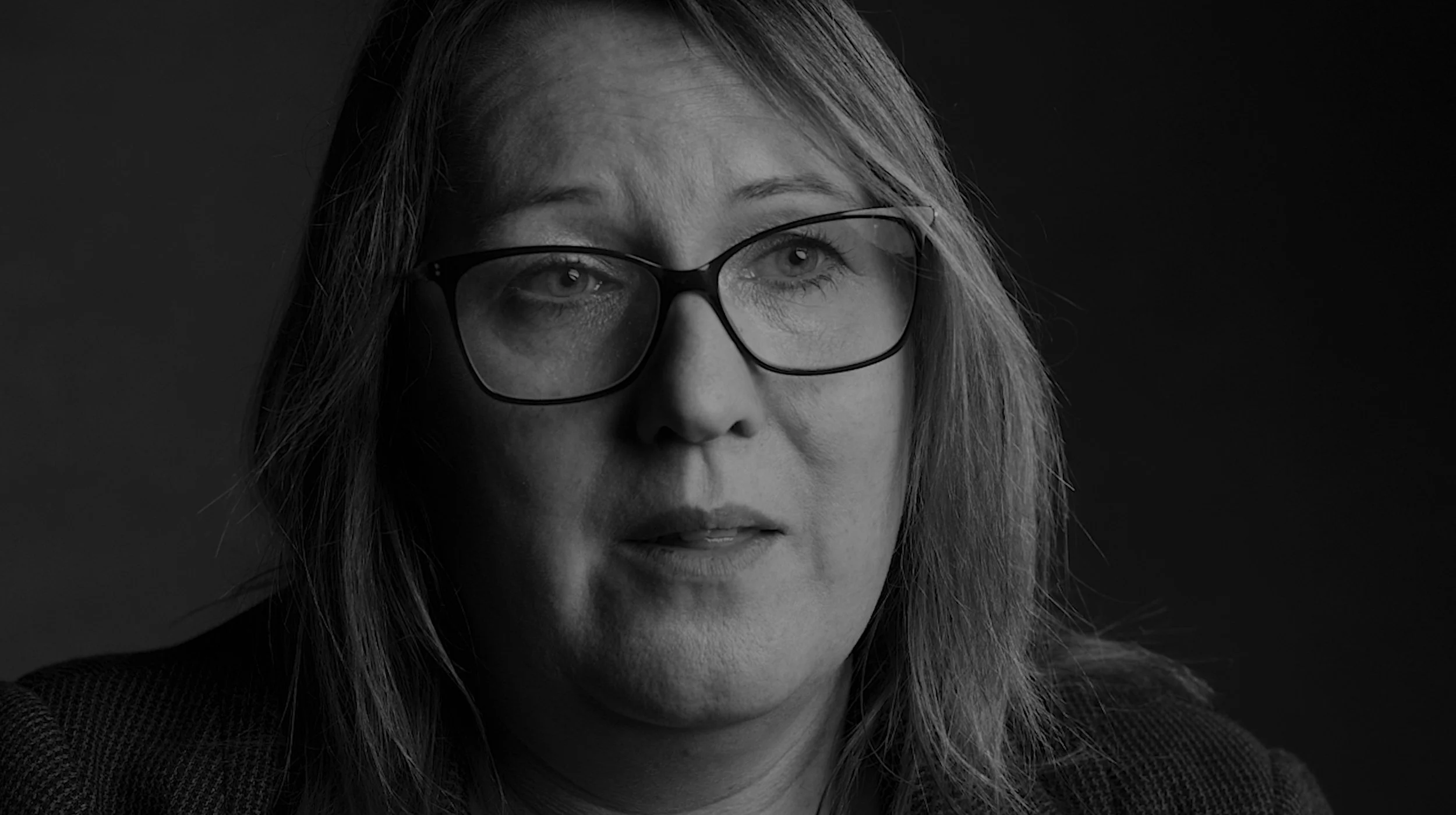
The viewer should not be thinking about the microphone, the room tone or the edit. They should simply hear someone speaking with clarity and sincerity. That is what helps a video feel honest rather than staged. When dialogue is captured well, your audience does not just understand your message. They believe it.
Music Shapes Emotion and Momentum
Music is one of the fastest ways to shape how a video feels.
It can make a brand film feel inspiring, a campaign feel energetic, an interview feel intimate, or a corporate video feel confident and polished. The right track gives structure to the edit, helping the story build, breathe and land with impact.
But music has to be chosen carefully.
If it is too dramatic, the video can feel forced. If it is too generic, the message can feel forgettable. If it competes with dialogue, it becomes distracting. Good music supports the story without overpowering it.
This is where sound design becomes strategic.
The soundtrack should match the purpose of the film, the pace of the edit and the personality of the brand. A recruitment film may need warmth and optimism. A promotional video may need rhythm and energy. A documentary-style brand film may need something subtle, emotional and restrained.
Music is not just a background layer. It helps guide the viewer’s emotional response from beginning to end.
Sound Design Makes a Video Feel Alive
Sound design is the layer that brings a film to life.
It might be the subtle hum of an office, footsteps in a hallway, birds in the background, the texture of a location, or a gentle sound cue that supports a transition. These details may seem small, but they help the world of the video feel real.
Without them, footage can feel flat.
A scene might look polished but still lack atmosphere. Sound design adds space, movement and depth. It helps the viewer feel as though they are inside the environment, not just watching it from a distance. This is especially important in brand films and documentary-style content.
If a video is designed to feel human, authentic and grounded, the sound needs to support that. Natural ambience, carefully selected effects and subtle audio textures can make a film feel more immersive without drawing attention to themselves. The best sound design is often invisible. You do not notice it as a separate element. You simply feel more connected to the story.


Audio Gives the Edit Rhythm
Sound plays a major role in how a video moves.
An edit is not only shaped by visuals. It is shaped by pacing, pauses, music beats, voice rhythm, sound transitions and moments of silence. These choices determine whether a video feels rushed, slow, confident, emotional or energetic.
Good audio helps the edit flow.
A music cue can create momentum. A pause in dialogue can give a moment more weight. A subtle sound effect can make a transition feel smoother. A shift in ambience can help move the viewer from one scene to another without feeling abrupt.
This matters across every type of video.
A corporate film needs rhythm so it does not feel dry. A promotional video needs pace so it keeps attention. A testimonial needs space so the emotion feels genuine. A social media clip needs immediacy so it works quickly. Sound gives structure to the viewing experience. It helps the audience know what to feel, where to focus and when to pay attention.
Poor Audio Can Undermine Great Visuals
Beautiful footage cannot fully rescue poor sound.
A video might have strong lighting, careful composition and cinematic movement, but if the audio feels thin, messy or inconsistent, the whole piece suffers. Viewers may not know exactly what is wrong, but they will sense that something feels off.
This is why audio should never be treated as an afterthought.
Sound needs to be planned before filming begins. Locations should be considered for noise and acoustics. Interview setups should be tested. Microphones should be monitored. Backup recordings should be captured where possible. These practical steps help protect the final film.
Professional production is about reducing risk.
Bad audio can be difficult, and sometimes impossible, to properly fix in post-production. Capturing it well from the start gives the edit more flexibility and ensures the finished video feels polished. For businesses, this protects the investment. If you are spending time and budget on a video, the sound should support the quality of the visuals, not weaken them.
Sound Helps Your Brand Feel More Distinctive
Every brand has a tone.
Some brands need to feel warm and human. Others need to feel bold, energetic and ambitious. Some need calm authority. Others need creativity, intimacy or emotional depth. Sound plays a big part in creating that feeling.
Music, voice, pacing and atmosphere all influence how your brand is perceived.
A slow, minimal soundtrack can make a film feel thoughtful and premium. A lively edit with rhythmic sound design can make a campaign feel dynamic. Natural dialogue and subtle ambience can make a story feel honest and documentary-led.
This is where audio becomes part of brand identity.
Your video should not sound generic. It should feel aligned with who you are, what you value and how you want your audience to respond. A considered soundscape can make your content more memorable and more recognisably yours. Strong visuals may capture attention. Strong sound helps create emotional recall.
How Reverie Films Approaches Sound
At Reverie Films, sound is built into the production process from the beginning. We think about audio during planning, filming and post-production. That means choosing suitable locations, capturing clean dialogue, recording natural ambience, selecting music carefully and shaping the final mix so every element works together.
Our approach is always led by the story.
For an interview, the priority may be clear, natural speech. For a brand film, it may be atmosphere and emotion. For a promotional video, it may be rhythm and energy. For a documentary-style project, it may be honesty, silence and subtle environmental detail.
Sound should never compete with the message.
It should support it. Every piece of audio, from dialogue to music to background texture, should help the viewer feel closer to the story and clearer about the brand.
For businesses across Glasgow, Scotland and the wider UK, professional sound design can be the difference between a video that simply looks good and one that genuinely connects.
Conclusion
Sound is one of the most powerful parts of video production.
It shapes emotion, builds trust, supports storytelling and helps your audience stay connected from beginning to end. Clear dialogue makes people feel credible. Music gives the edit momentum. Atmosphere makes scenes feel alive. Careful mixing brings everything together into one polished, professional film.
The best sound does not distract.
It deepens the experience. It helps your video feel more human, more cinematic and more memorable. For corporate videos, brand films, campaign content and social media videos, professional audio is not just a technical detail. It is a creative tool. At Reverie Films, we combine strong visuals with thoughtful sound design to create films that feel polished, purposeful and emotionally engaging.