How Imagery Gives Brand Films Deeper Meaning
Visual metaphors help audiences feel a message before it is explained. Through symbolic objects, repeated imagery, colour, movement, and small human details, a brand film can communicate values, emotion, and identity in a way that feels natural, memorable, and deeply connected to the story.
Introduction
Some of the strongest moments in a film are the quietest.
A hand resting on a doorframe. A light switching on. A worn notebook. A wide landscape after a difficult conversation. These images may seem simple, but when used with intention, they can carry emotional weight far beyond their surface meaning.
That is the power of visual metaphor.
In brand films, corporate videos, documentaries, and promotional campaigns, visual metaphors help audiences understand what a story means without needing everything explained through dialogue or text. They create feeling, shape interpretation, and give the viewer something to connect with on a deeper level.
For businesses using video production in Glasgow, Edinburgh, or across Scotland, this matters because audiences do not just respond to information. They respond to meaning. A well-chosen visual metaphor can turn a simple message into something memorable, human, and emotionally resonant.
Why Visual Metaphors Matter in Brand Storytelling
A visual metaphor gives an idea a physical form.
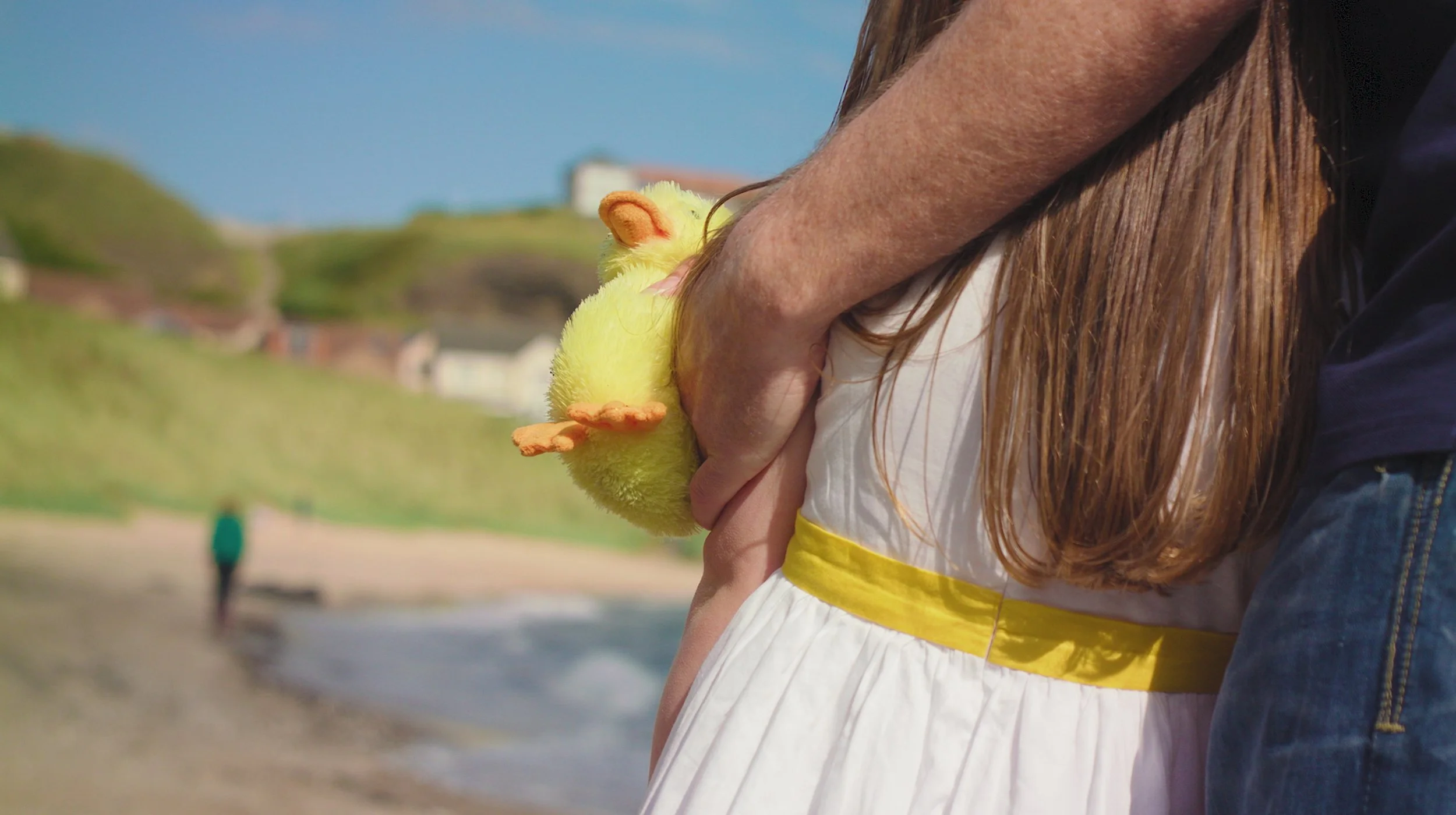
Instead of telling viewers that a business is growing, a film might show a team building something piece by piece. Instead of saying a person feels isolated, it might show them framed alone in a wide space. Instead of explaining trust, it might show a quiet handover, a shared look, or a moment of care.
These choices help audiences feel the message rather than simply process it.
In brand storytelling, this is especially valuable. Many businesses want to communicate abstract ideas: reliability, transformation, creativity, care, ambition, resilience, community, or purpose. These themes can feel flat when described directly, but they become powerful when expressed through image, rhythm, and atmosphere.
A strong metaphor keeps the audience engaged because it gives them something to interpret. It invites them into the story rather than placing them outside it. When viewers make that connection for themselves, the message often feels more personal and stays with them for longer.
Turning Abstract Ideas Into Visual Moments
Not every business message is easy to film.
A product can be shown. A building can be filmed. A person can be interviewed. But values, emotions, and ambitions are harder to capture directly. That is where visual metaphor becomes useful.
For example, a film about innovation might use light, movement, experimentation, or changing perspective. A film about community might focus on shared spaces, small interactions, and repeated gestures. A story about resilience might use weather, texture, physical effort, or moments of quiet persistence.
The metaphor does not need to be obvious.
In fact, it is often stronger when it is subtle. The aim is not to make the audience decode a puzzle. The aim is to create a feeling that supports the message. When the imagery aligns with the story, viewers understand it instinctively.
This is what gives a film depth. It allows a brand to communicate more than what it does. It helps show what it believes, how it feels, and why its work matters.
How Symbolic Imagery Strengthens Brand Identity
Visual metaphors can become part of a brand’s wider visual language.
A recurring colour, object, location, gesture, or type of movement can help unify a film and make the brand feel more distinctive. These details create continuity, especially when used across multiple videos, campaigns, or social media edits.
This is useful because brand identity is not only built through logos and fonts.
It is built through mood, tone, behaviour, and feeling. A business that wants to feel calm and trustworthy will need a very different visual language from one that wants to feel bold, energetic, and disruptive. Metaphor helps shape that difference.
For corporate video production, this can be especially powerful.
Many organisations operate in sectors that are technical, complex, or difficult to explain quickly. Visual metaphor allows them to communicate with clarity while still keeping the film human and engaging. It turns internal values into external signals that audiences can recognise and remember.
When repeated with care, symbolic imagery helps a brand feel more cohesive. It gives every film a sense of intention, making the work feel connected rather than random.
Guiding the Audience’s Emotional Response
Every image creates a feeling. The question is whether that feeling is intentional.
Visual metaphors help guide the viewer’s emotional response by giving shape to tone and meaning. A slow camera move can suggest reflection. A bright open space can suggest possibility. A closed door can suggest uncertainty. A repeated object can suggest memory, identity, or change.
These choices help the audience know how to feel without being told directly.
That matters because emotion is often what makes video memorable. Facts can inform, but feeling creates connection. When a brand film uses metaphor well, it gives the audience a way into the story that feels natural rather than forced.
For example, a recruitment film might use movement through a workplace to suggest progression and opportunity. A charity film might use small acts of care to represent wider impact. A brand film might use changing light to suggest clarity, growth, or transformation.
The metaphor becomes the emotional thread. It quietly supports the message from beginning to end, helping the final film feel more complete and meaningful.


Making Metaphors Feel Natural, Not Forced
The best metaphors do not announce themselves.
They belong to the world of the film.
A visual metaphor should feel connected to the people, place, brand, and message. If it feels random or overly clever, it can distract from the story. If it feels grounded and honest, it can add depth without drawing attention to itself.
This begins with understanding the brief properly.
Before choosing imagery, the production team needs to know what the film is really trying to say. What should the audience feel? What should they remember? What does the brand stand for? What tone suits the people, place, and purpose of the project?
Once that is clear, metaphor becomes easier to shape.
It might come through location, lighting, props, action, colour, framing, or edit rhythm. It might be a single recurring image or a broader visual theme running through the whole piece. The important thing is that it supports the story rather than competing with it. A forced metaphor can feel artificial. A natural one feels like it was always part of the story.
Visual Metaphor Across Different Film Styles
Different types of video use metaphor in different ways.
A documentary-style film might rely on natural imagery, real environments, and observational moments. A brand film might use more deliberate visual motifs, controlled lighting, and carefully composed scenes. A corporate video might use subtle symbolism to make technical or internal messages feel more accessible.
Even social media content can benefit from metaphor.
A short video has very little time to make an impression, so a strong visual idea can help the message land quickly. A repeated image, colour, action, or transition can give a campaign consistency and make the content easier to recognise.
For longer films, metaphor can create structure.
It can open the story, return at key moments, and resolve in the final scene. This gives the audience a feeling of progression, making the film feel more crafted and emotionally satisfying. The style can change, but the principle stays the same. A visual metaphor should clarify the story, deepen the emotion, and help the audience connect with the message.
Why Metaphors Help Films Stand Out Online
Online audiences are surrounded by content.
Most people scroll quickly, decide quickly, and forget quickly. To stand out, a film needs more than polished visuals. It needs an idea that holds attention and gives viewers something to remember.
Visual metaphor helps create that.
A striking image can stop someone scrolling. A meaningful moment can make them watch longer. A repeated motif can help them associate a feeling or idea with your brand. This is especially useful for businesses using video across websites, LinkedIn, Instagram, YouTube, email campaigns, and paid ads.
Metaphor also helps with retention.
When a viewer understands the emotional logic of a film, they are more likely to stay engaged. The story feels less like a list of information and more like an experience. That can make the content more effective across both short-form and long-form formats.
For businesses investing in video marketing, this is where creativity becomes strategic. A well-crafted metaphor does not just make a film more artistic. It makes the message clearer, more memorable, and more emotionally persuasive.
How Reverie Films Approaches Visual Metaphor
At Reverie Films, visual metaphor begins with listening.
Before we think about shots, locations, or visual ideas, we look at the heart of the story. What is the message? What does the audience need to understand? What feeling should the film leave behind? What makes this brand, person, or organisation distinct?
From there, we build a visual approach that supports the message.
Sometimes that means using subtle symbolic imagery throughout the film. Sometimes it means finding meaning in real environments and natural moments. Sometimes it means shaping colour, lighting, movement, and sound around a central emotional idea.
The goal is never to make a film feel overdesigned.
The goal is to make every creative choice feel purposeful. When metaphor, story, cinematography, editing, and sound all work together, the final film feels more complete. It becomes something the audience can feel, not just understand. That is where strong brand storytelling lives.
Conclusion
Visual metaphors give video content depth, emotion, and staying power.
They help brands communicate values, personality, and purpose without relying on heavy explanation. Through subtle imagery, symbolic details, and thoughtful creative direction, a film can say more than words alone ever could.
For businesses creating brand films, corporate videos, promotional content, or social media campaigns, metaphor can turn simple moments into powerful expressions of identity. It helps audiences connect with your message in a way that feels natural, human, and memorable.
At Reverie Films, we use visual storytelling to create films with meaning behind every frame. From concept and filming to editing and delivery, we shape each project around the story you want your audience to feel, understand, and remember.