Video Production Made Easy for Your Business
Professional video production should feel clear, collaborative and manageable from the first conversation to final delivery. With the right process, businesses can create polished, purposeful video content without feeling overwhelmed by scripts, schedules, filming, editing or technical decisions. Good planning helps the whole project feel simpler, calmer and more useful.
Introduction
Video is one of the most powerful ways to communicate what your business does, who you help and why your work matters.
But for many organisations, starting a video project can feel daunting. You might know you need a corporate video, promotional film, brand story or social media content, but not know where to begin. What should the film say? How long should it be? Who needs to be involved? How much planning is required? What happens on the shoot day? How does the edit come together?
That uncertainty is often what stops businesses from moving forward.
At Reverie Films, we make professional video production feel simple, structured and collaborative. Based in Glasgow and working with clients across Scotland and the UK, we guide each project from idea to delivery with a clear process, honest communication and a strong focus on story.
The goal is not to make video production feel rushed or basic. It is to make the process feel calm, organised and purposeful, so you can focus on your message while we take care of the creative and technical detail.
A Clear Starting Point
Every strong video begins with clarity.
Before any filming happens, it is important to understand what the video needs to achieve. A corporate film designed to build trust will need a different approach from a social media campaign, event film, recruitment video or brand story. The audience, message, tone and final use all shape the production.
That is why the first stage is always conversation.
We take time to understand your organisation, your goals and the people you want to reach. We look at what you already have, what you need the video to do and where it will be used. This helps us shape the right creative direction before the project becomes too complicated.
For clients, this makes the process much easier. You do not need to arrive with a finished script, shot list or creative treatment. You just need a sense of what you want to communicate. From there, we help turn the idea into a clear plan that can be filmed, edited and delivered with confidence.
Turning Ideas into a Practical Plan
A good video needs creativity, but it also needs structure.
Once the direction is clear, we shape the project into a practical production plan. This might include the key message, interview questions, filming locations, contributors, schedule, visual approach, delivery formats and the type of edit required.
This planning stage is where a lot of the complexity is removed.
Instead of leaving everything until the shoot day, we make sure the important decisions are made early. Who needs to be on camera? What locations will tell the story best? What supporting footage will help bring the film to life? What does the final video need to feel like?
The more considered this stage is, the smoother the rest of the project becomes.
For businesses, this means fewer surprises, better use of time and a final video that feels more focused. A clear plan does not limit creativity. It gives the production a strong foundation, so everyone knows what the film is trying to achieve.
A Collaborative Process Without the Stress
Video production works best when it feels collaborative.
You know your organisation better than anyone. We bring the filmmaking experience, creative structure and technical understanding needed to shape that knowledge into a strong final film. The best results happen when those two things work together.
Our role is to make that collaboration easy.
Some clients want to be closely involved at every stage. Others prefer us to take the lead once the direction has been agreed. Both approaches can work. What matters is that communication stays clear and the process feels manageable.
Throughout the project, we guide the decisions that need to be made and explain what matters. That might mean helping you choose the strongest interview contributors, simplifying a message that feels too broad or identifying the best visual approach for your audience.
A good production partner should not make the process feel heavier. They should make it feel clearer.
Filming That Feels Organised and Natural
For many clients, the shoot day is the part that feels most intimidating.
That is understandable. Being filmed can feel unfamiliar, especially for people who are not used to appearing on camera. Locations need to be prepared, timings need to work and contributors need to feel comfortable.
A well-planned shoot removes a lot of that pressure.
Before filming, we make sure everyone understands the plan. On the day, we work calmly and efficiently, keeping the atmosphere relaxed while still paying close attention to the details that make the final video feel polished.
This is especially important for interviews.
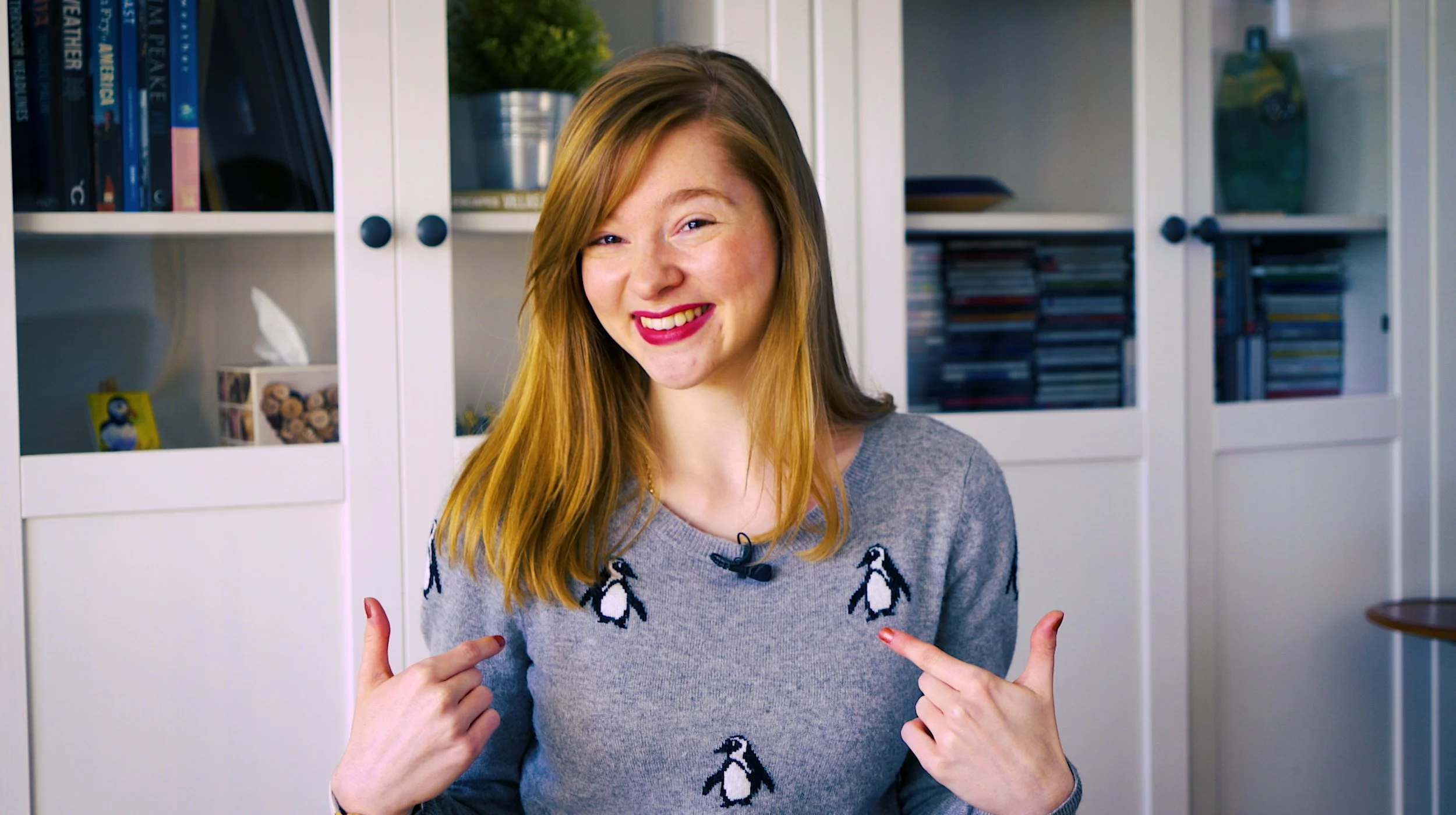
Most people do not need to memorise lines or perform. In many cases, the best results come from natural, guided conversations. We help contributors feel at ease, ask the right questions and create space for genuine answers. The aim is to capture people clearly, confidently and authentically.
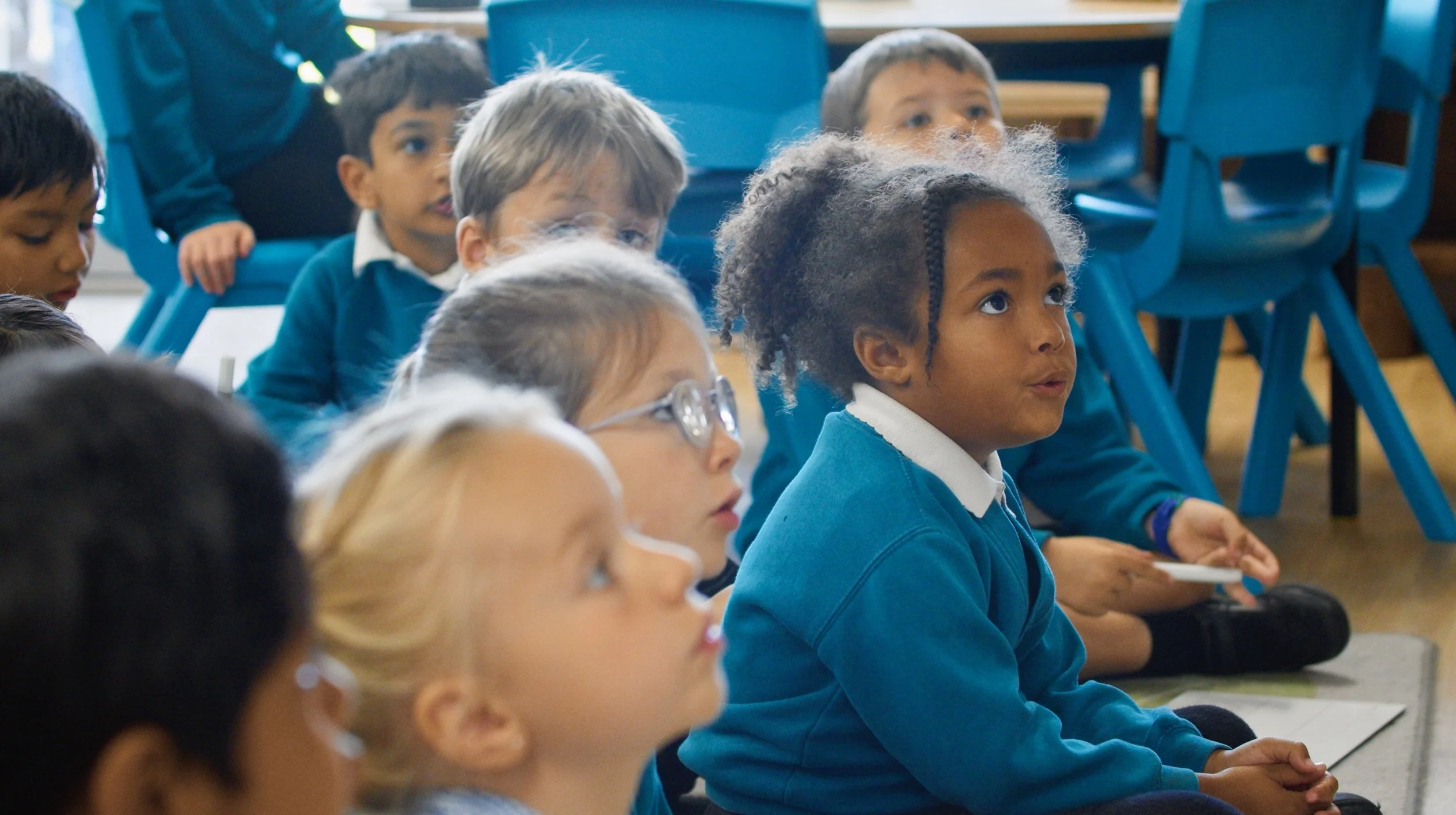
The same applies to b-roll and supporting footage. Every shot should have a purpose. Whether we are filming a workplace, event, classroom, product, team, process or location, the footage needs to support the story rather than simply fill space. That is what helps the final edit feel intentional.
Editing That Brings the Story Together
The edit is where the video becomes clear.
Filming gives you the raw material, but post-production gives the film its shape. This is where interviews, visuals, music, pacing, colour, sound and structure come together to create something that feels coherent and engaging.
A strong edit is not just about making footage look good.
It is about making decisions. What is the strongest opening? Which moments matter most? What can be removed? Where does the story need more breathing room? How should the film move from one idea to the next?
This is where professional video production adds real value.
A good editor understands rhythm, emotion and clarity. They know how to reduce a large amount of footage into a focused film that feels natural, purposeful and easy to follow. The aim is to protect the message while making the final video feel polished and watchable.
For clients, this part of the process should feel straightforward. We shape the first edit around the agreed direction, then refine it through feedback. Rather than leaving you to decode technical decisions, we guide the edit toward the strongest version of the film.


Making the Most of Your Content
A video project does not need to end with one final film.
With the right planning, a single shoot can often create a wider library of content. This might include a main corporate video, shorter social media clips, website banners, interview excerpts, campaign cutdowns, event highlights or internal communication assets.
This makes video production more valuable.
Instead of thinking of a film as a one-off deliverable, it can become part of a wider content strategy. One well-planned production can support your website, social channels, email campaigns, presentations, paid ads and future marketing activity.
This is especially useful for businesses that need regular content but do not want to start from scratch every time.
By thinking about output early, we can film with multiple uses in mind. That means the production works harder, the content lasts longer and your investment stretches further.
A Flexible Approach for Different Businesses
No two video projects are exactly the same.
Some clients need a polished corporate video to explain who they are. Others need a short promotional film to launch a service, capture an event or support a campaign. Some organisations need documentary-led storytelling, while others need simple, practical content that can be used quickly across digital platforms.
The process should adapt to the project.
A small business may need a lean, efficient shoot with a clear message and fast turnaround. A larger organisation may need more planning, multiple stakeholders, several filming locations and a broader content package. Both require the same care, but the structure should match the scale of the work.
That flexibility is central to how we work. We help shape the approach around your goals, budget, schedule and audience. The aim is to create the right video for your organisation, not force every project into the same format.
Why the Right Process Matters
Video production feels easier when the process is clear.
Without structure, projects can quickly become stressful. Messages become too broad, shoot days become rushed, edits become unfocused and the final film can struggle to connect. A strong process prevents that.
It gives the project direction.
It helps everyone understand what is being made, why it matters and how each stage supports the final outcome. It also protects the creative quality of the film, because decisions are made with purpose rather than guesswork.
For businesses, this creates confidence. You know what is happening, what is needed from you and how the project is moving forward. That makes the experience smoother, but it also leads to a better final video.
Conclusion
Video production does not have to feel complicated.
With the right partner, it becomes a clear, collaborative and structured process. From the first conversation to the final edit, every stage should help bring your message into focus and make the experience easier for your team.
At Reverie Films, we help businesses and organisations create professional video content with clarity, care and purpose. Whether you need a corporate video, promotional film, brand story, event film or social media campaign, we can guide the project from idea to delivery and make the process feel simple from start to finish.
The best video production does not just look polished. It feels considered, organised and true to your story.