PiXL In Action
Client: PiXL, London, England
Production Type: Corporate
Deliverables: Pilot episode, 4x long-form Season 1 films, 22x topic-led Season 2 films
Project Overview: PiXL commissioned Reverie Films to create a long-term education video series showing how its strategies, resources and approaches were being used in real schools. Built around a pilot episode and two full seasons, PiXL In Action captured honest stories from teachers, leaders, support staff and students across the UK.
The Brief
PiXL wanted to create a video series that could do more than explain its work from a distance.
The films needed to show how PiXL strategies were being used in real school environments, by real educators, with real students. Rather than relying on slides, written case studies or abstract examples, the aim was to create a human, practical and credible resource that school leaders and teachers could learn from.
The project began with a simple idea: show education in action.
For Season 1, the focus was depth. PiXL wanted long-form films that could explore complex themes in detail, giving schools space to understand the thinking, context and impact behind different approaches. For Season 2, the brief evolved. The films needed to become shorter, more focused and easier to use in briefings, CPD sessions, department meetings and school-to-school sharing.
Across the full project, the goal remained the same: create films that felt honest, useful and grounded in the reality of school life.
The Challenge
The main challenge was turning a large, complex educational project into films that felt clear, engaging and genuinely useful.
PiXL works with schools across different phases, contexts and communities. Each setting had its own priorities, pressures and way of working. The films needed to respect that individuality while still feeling part of one wider series.
There was also a storytelling challenge. Education can be difficult to capture on film without making it feel overly staged, overly polished or too abstract. We needed to show the thinking behind PiXL’s work, but also the people putting that thinking into practice every day.
The production had to balance structure with authenticity. Interviews needed to be focused, but not scripted. Classroom footage needed to feel natural, but still purposeful. Each film needed to communicate a clear message while preserving the warmth, pace and complexity of real school environments.
Because the project developed over several years, consistency was also essential. From the pilot through to Season 2, the series needed to feel connected in tone, style and purpose, while still allowing the format to evolve.
Our Approach
We approached PiXL In Action as a long-term documentary-led education project. The production was built around three priorities: clarity, credibility and care.
Clarity meant making sure each film had a defined purpose. Whether the focus was leadership, teaching, oracy, feedback, personal development or student voice, every episode needed to help viewers understand one central idea clearly.
Credibility meant keeping the films rooted in real experience. The most powerful voices in the series were the people doing the work every day: headteachers, senior leaders, teachers, teaching assistants, support staff and students. Their insight gave the films weight and authenticity.
Care meant working respectfully inside live school environments. Schools are busy places, and filming should never disrupt the rhythm of the day. Our role was to plan thoroughly, work efficiently and create space for natural moments to happen on camera. The result was a production approach that combined documentary storytelling with practical educational communication.
The Pilot: Proving the Format
The project began with a pilot episode filmed at Blessed Thomas Holford Catholic College in Altrincham.
The purpose of the pilot was to test whether the idea could work on screen. PiXL wanted to see if a film could capture the depth of school improvement work while still feeling human, engaging and watchable.
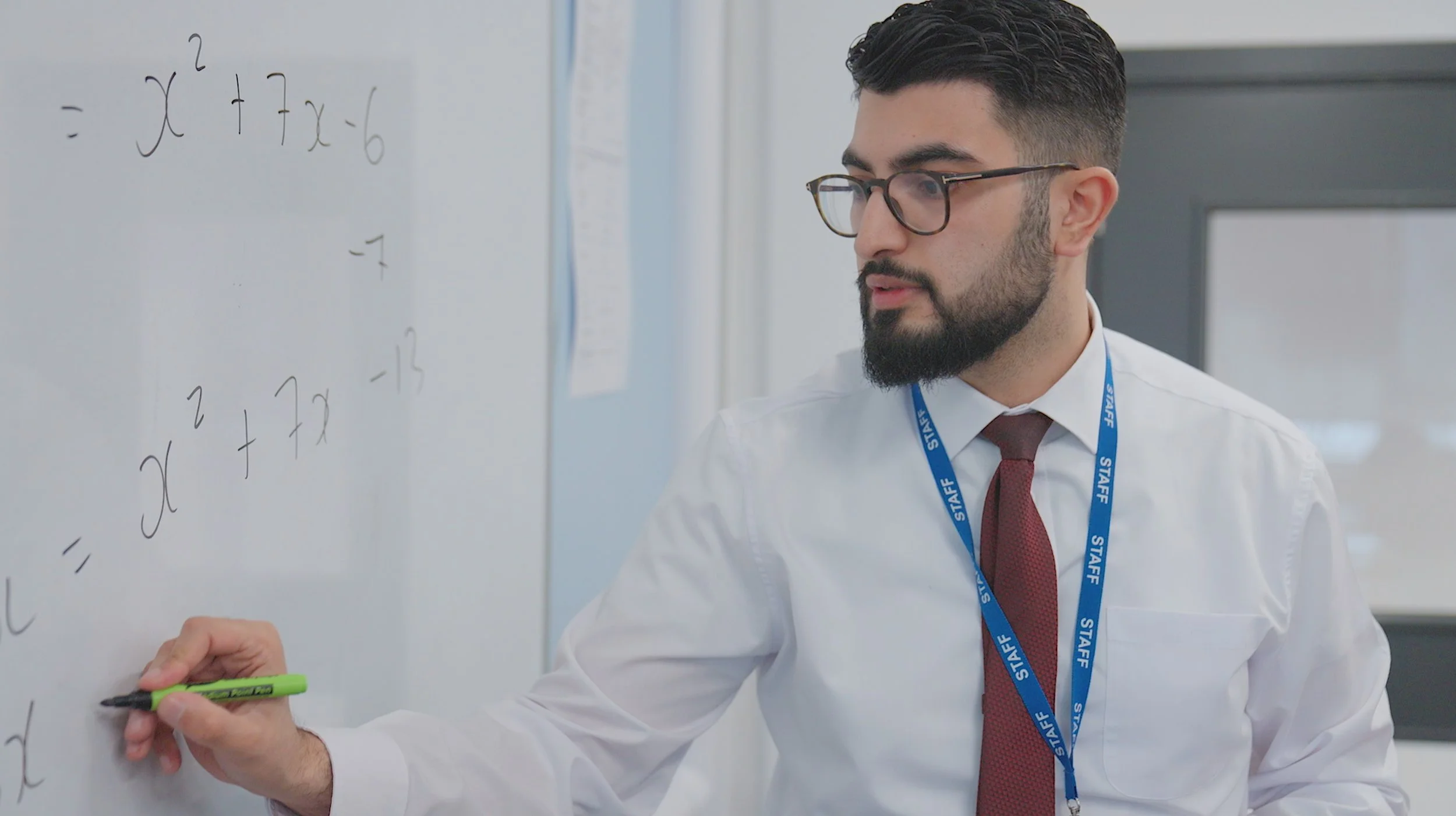
We filmed interviews with senior leaders, subject heads and classroom teachers, alongside observational footage of teaching, assessment and school life. The aim was not just to talk about the work, but to show it in motion.
The pilot helped establish the tone of the series. It needed to be professional but not corporate, informative but not dry, cinematic but not glossy. The final film showed that a documentary-led approach could make educational ideas feel practical, relatable and emotionally grounded.
After the pilot was shared with PiXL leaders and a panel of headteachers and advisers, the response confirmed the strength of the format. The film felt authentic, useful and clear, which led to the commission of a full first season.
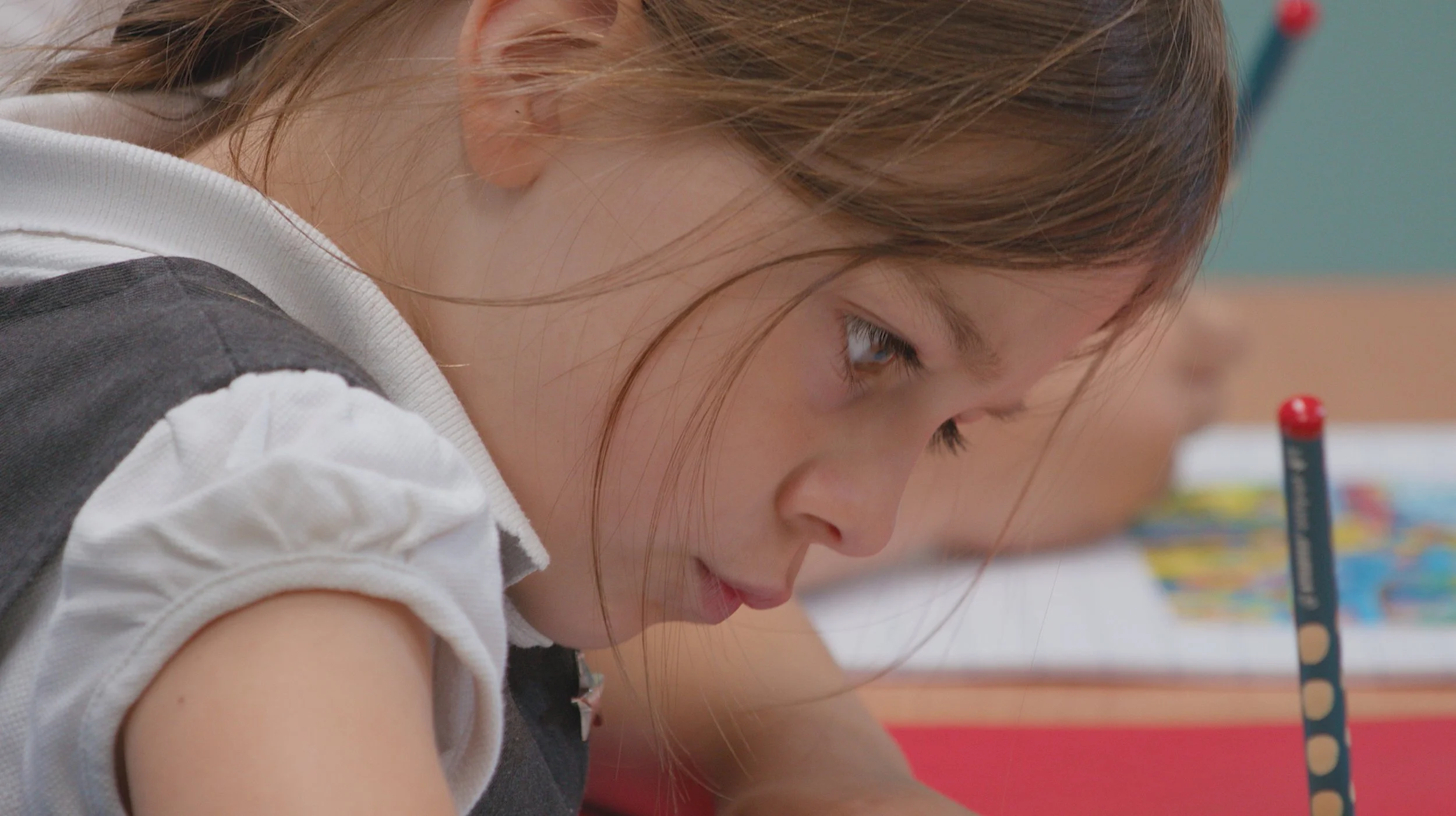
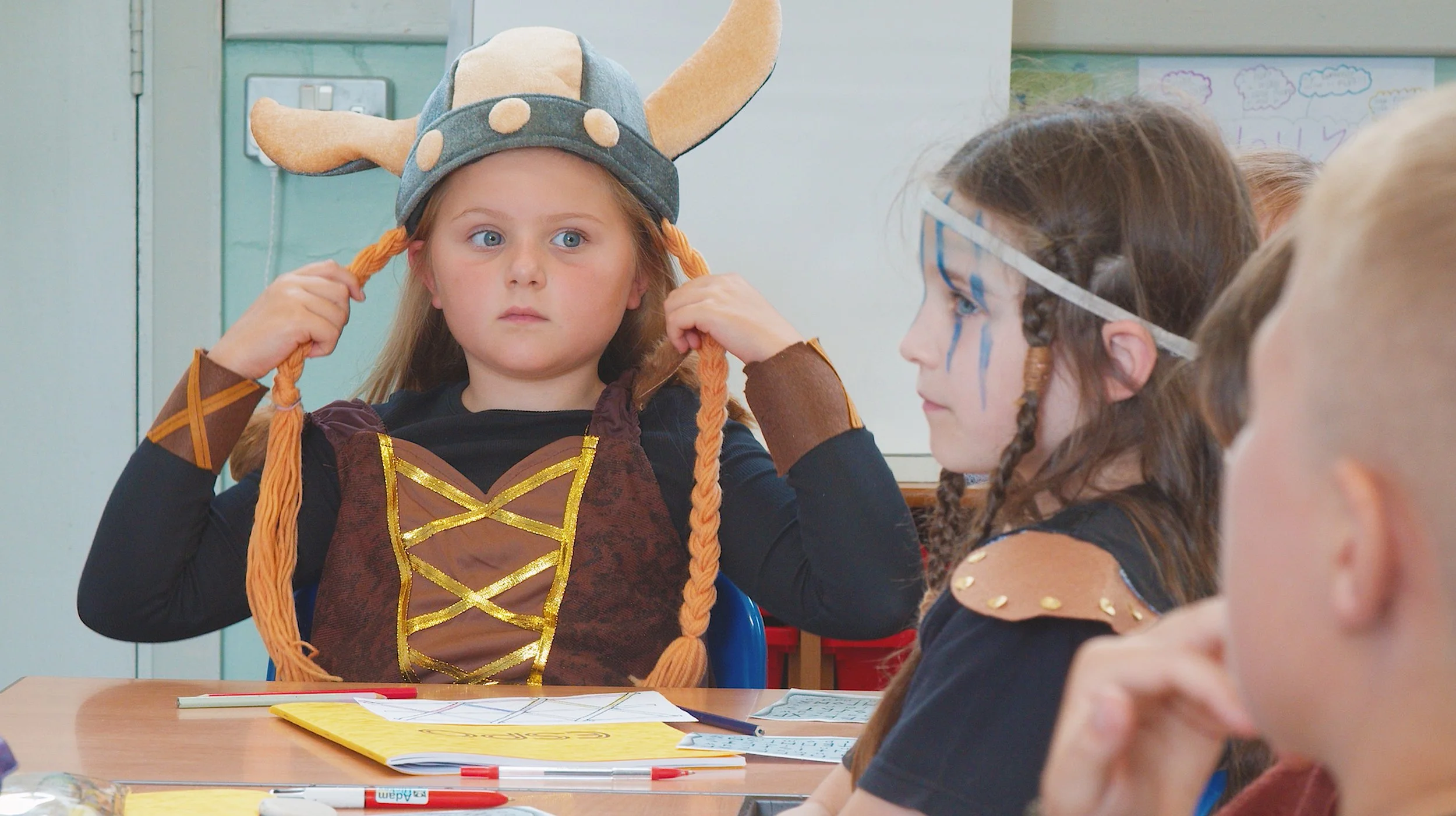
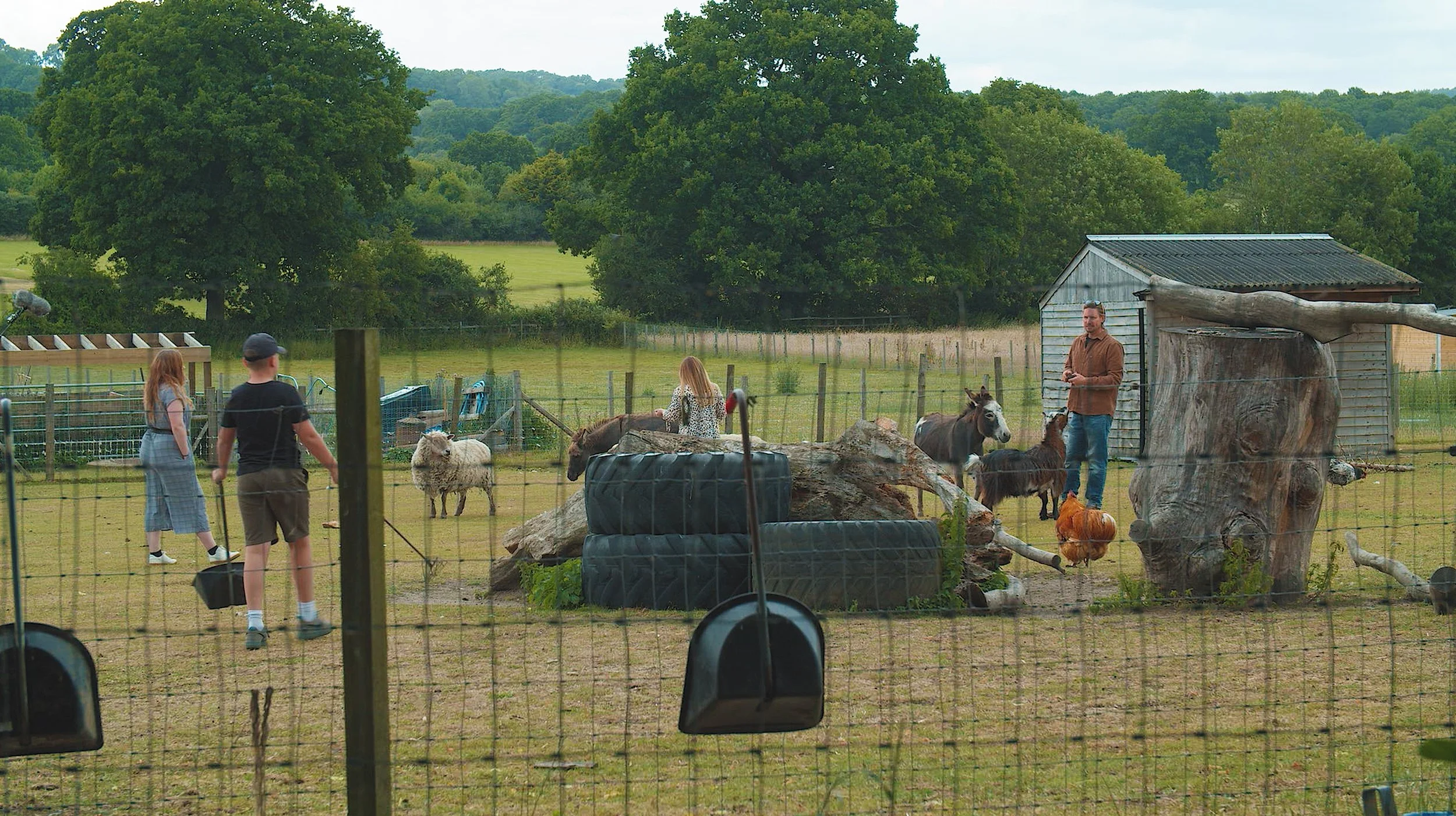
Season One: Long-Form Educational Storytelling
Season 1 was built around depth.
The aim was to create a set of long-form films that could explore important educational themes in detail. These were not short promotional videos or quick case studies. They were substantial films designed for reflection, professional development and school leadership conversations.
The season focused on four key themes:
Sharpening up the Conversation
Preparing for Pressure Points
Transition in all Phases
Wellbeing for Staff and Students
Each episode gave space to different voices, schools and perspectives. The films were designed so educators could watch them in full, revisit specific chapters or use sections within meetings, training sessions and wider school discussions.
Pre-Production for Season One
Pre-production was essential because the project involved multiple schools, contributors and themes.
Together with PiXL, we shaped the structure of the season, agreed the key messages for each episode and planned how each school would contribute to the wider story. The process involved careful coordination around safeguarding, permissions, timetables, travel, interviews and filming access.
We also spent time understanding the PiXL programmes and the educational context behind each theme. This allowed us to arrive at each school with a clear sense of what we were looking for, while still remaining open to the natural rhythm of the day.
As a video production company in Scotland working across the UK, we brought a structured but flexible approach to the project. Each shoot needed to be carefully planned, but the final films also depended on trust, openness and the ability to respond to what was happening in front of us.
Filming Season One
Production for Season 1 took place across a range of schools and educational settings.
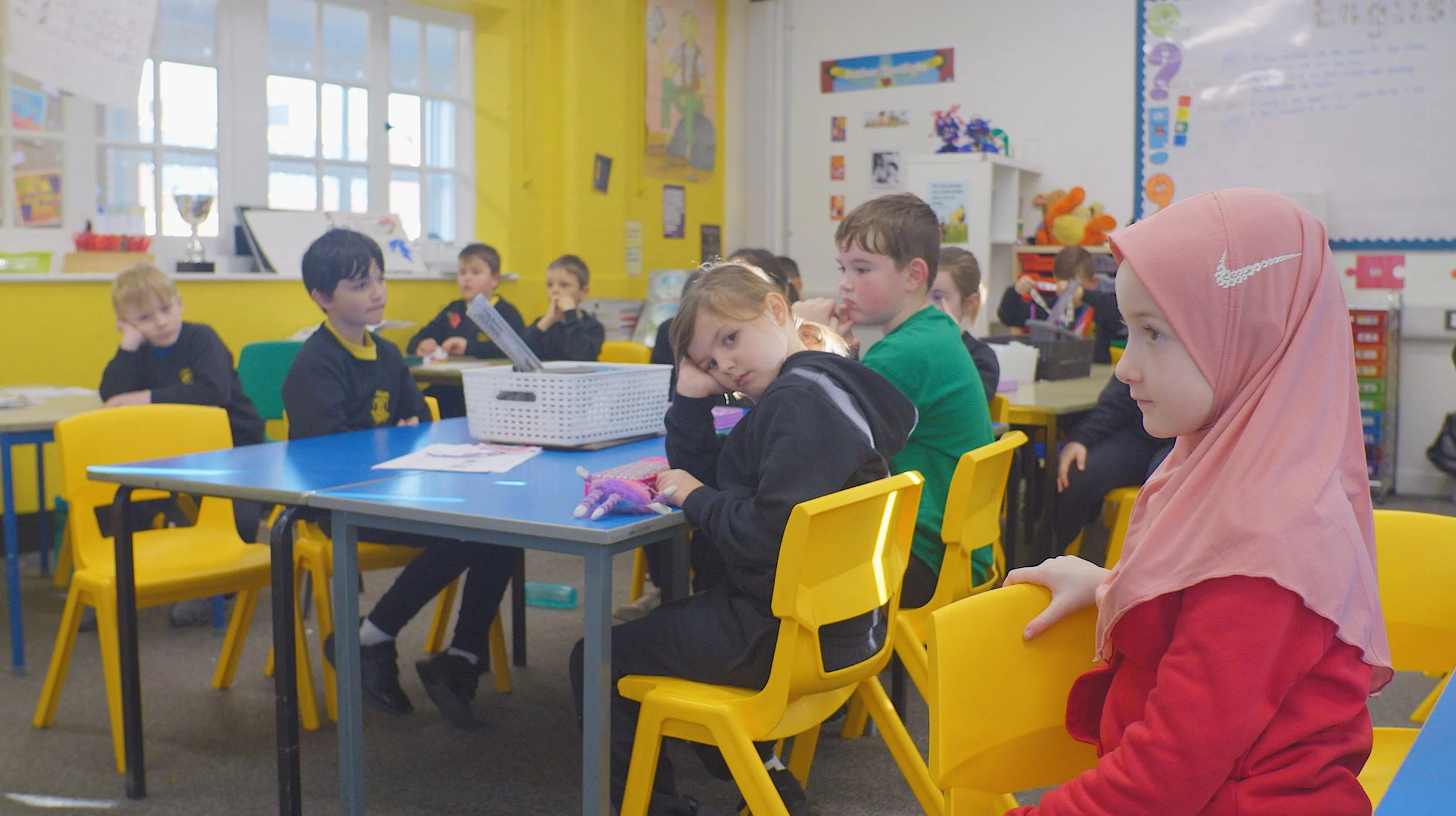
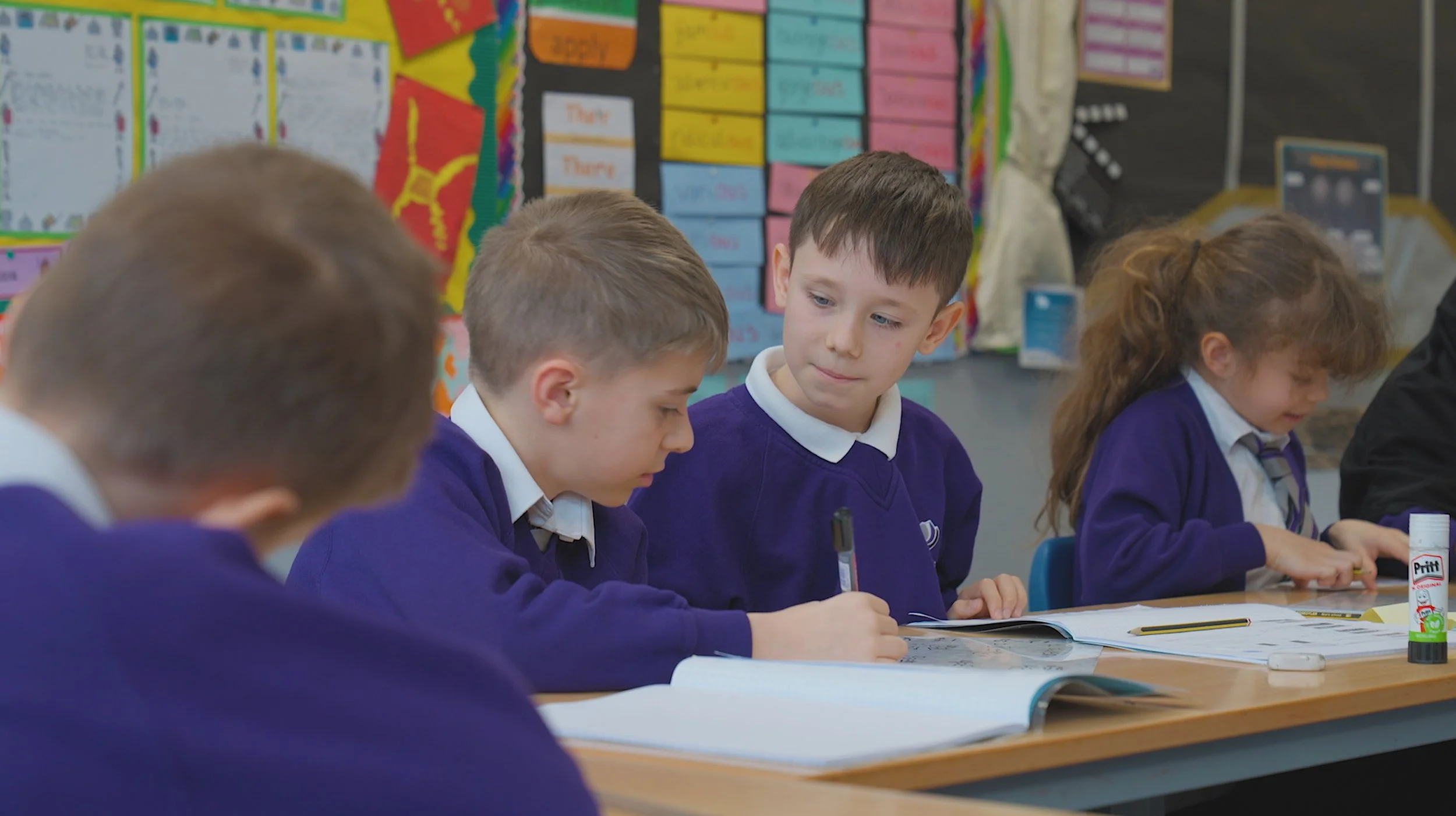
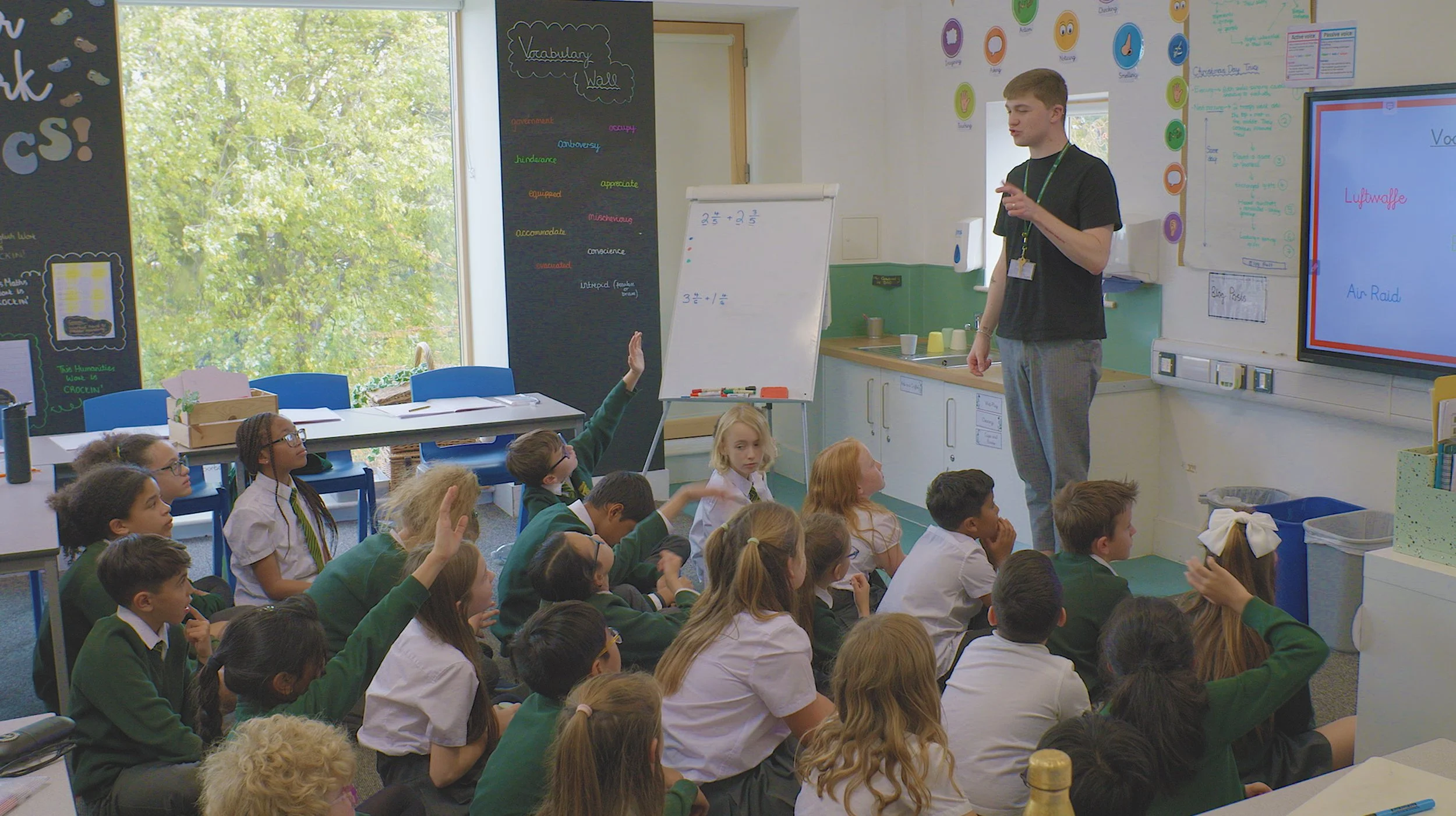
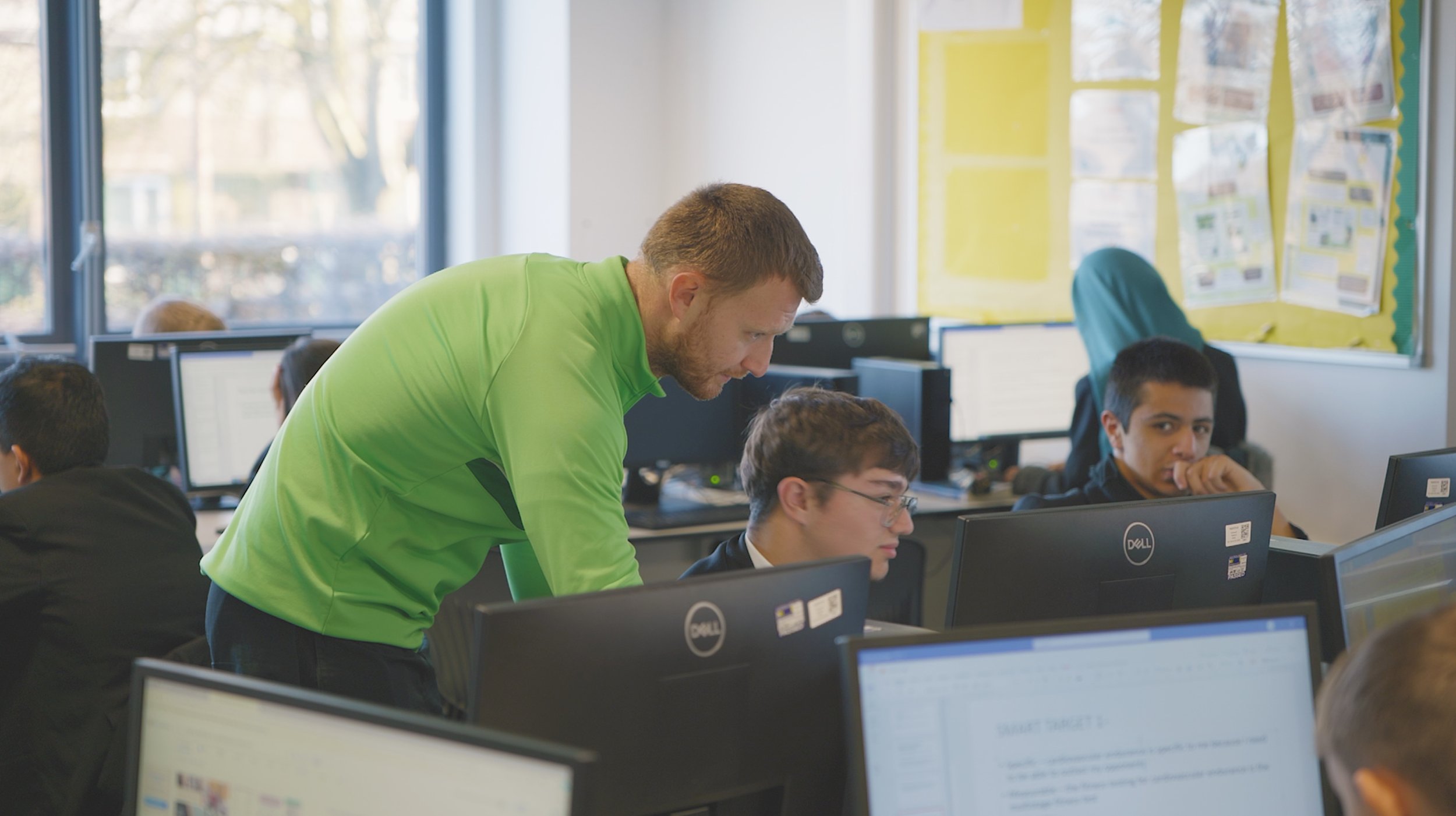
The filming style was documentary-led and unobtrusive. We captured interviews with leaders, teachers, teaching assistants and students, alongside classroom activity, transitions, group work, social spaces and wider school environments.
Interviews were guided but never scripted. This helped keep the contributors’ voices natural and credible. The aim was to create films that sounded like real educators speaking from experience, rather than rehearsed messages designed for camera.
We used a compact crew, natural lighting where possible and careful location sound to preserve the honesty of each environment. Establishing shots, classroom details and moments of interaction helped give each school a sense of place.
The goal was to build a human portrait of education in action: thoughtful, practical and rooted in lived experience.
Editing and Post-Production for Season One
Post-production for Season 1 was a major part of the project.
With hundreds of hours of interviews and b-roll, the edit needed to find clarity without losing nuance. Each episode had to bring together different schools, contributors and ideas into one coherent story.
The guiding principles were simple: highlight authentic voices, keep the message clear, retain each school’s identity and maintain visual and tonal consistency across the full season.
Each film was structured into chapters, making the episodes easier to navigate and use in different settings. This gave PiXL a flexible resource that could work for full screenings, shorter meetings, leadership training and CPD sessions.
The final episodes were long-form, but the pacing remained purposeful. Each film gave space for detail, reflection and practical insight, while still holding a clear narrative shape from beginning to end.
Delivery and Impact of Season One
Season 1 was finalised with HD masters, clean audio, subtitle-ready exports and chaptered navigation.
The films were used across the PiXL network for CPD, leadership training, conferences and school-to-school sharing. They gave educators a way to learn from peers in different contexts and see how PiXL strategies were being applied in real classrooms and school communities.
The response confirmed the value of the series. Educators saw themselves reflected not as abstract case studies, but as professionals doing meaningful work. The films strengthened a sense of shared practice across the network and became a trusted resource that schools could return to over time.
For Reverie Films, Season 1 showed how documentary-led corporate video production can support complex educational communication. The project needed craft, sensitivity and structure, but above all it needed to feel useful to the people it was made for.
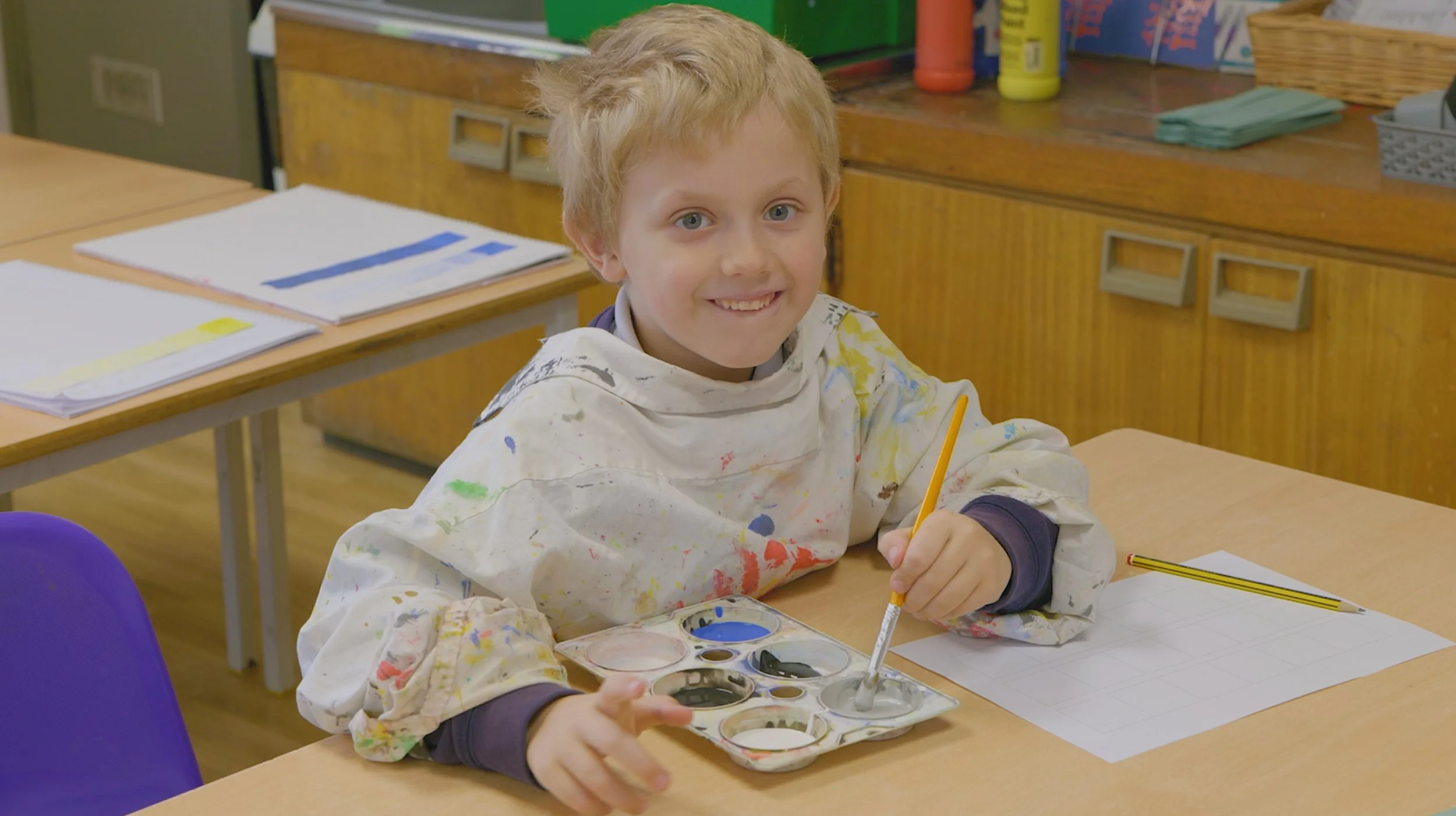
Season Two: A Broader, More Flexible Series
Following the success of Season 1, PiXL invited Reverie Films back to develop a second season.
This time, the brief evolved. While Season 1 focused on long-form, reflective storytelling, Season 2 needed to be shorter, sharper and more modular. Educators are busy, and PiXL wanted films that could fit into briefings, INSET sessions, department meetings and focused professional development.
The aim was to retain the authenticity and trust of the first series while creating a much broader set of topic-led films.
Season 2 would cover more schools, more themes and more specific areas of practice. Each film needed to stand alone with one clear takeaway, while still feeling connected to the wider PiXL In Action series.
Concept Development for Season Two
We worked with PiXL leaders to shape a format that respected attention spans without losing substance.
The films needed to be concise, but not shallow. Each one had to focus on a real priority within schools and give viewers something practical to take away. Topics included cultures of high expectation, oracy, quality feedback, personal development, financial education, student voice and more.
Together, we developed a content structure that mapped themes, contributors, learning outcomes and filming priorities. This helped make sure each film had a clear purpose before production began.
The tone remained honest and practical. Season 2 was not about creating polished marketing pieces. It was about capturing real educational insight in a format that schools could use immediately.
Pre-Production for Season Two
Pre-production for Season 2 involved a much larger filming schedule.
The scope included more than ten schools and over twenty deliverables. Planned filming locations included Alderman Jacobs, Birkbeck School and Community Arts College, Carlton Bolling, Charborough Road Primary, Hayes School, Meadowbrook College, Parkwood E-ACT Academy, Queensmead School, Royton and Crompton Academy, Stoke Lodge Primary and The Oldham Academy North.
We coordinated permissions, safeguarding, access and contributor planning in close collaboration with each site. Interview prompts were tailored to each school and theme, while shoot plans were designed to capture multiple subjects efficiently within a single day.
The production needed to be organised, but not rigid. Each school had its own rhythm, and the filming process had to work around live teaching, staff availability, student activity and the normal pace of the school day.
Filming Season Two
Production for Season 2 ran throughout 2024.
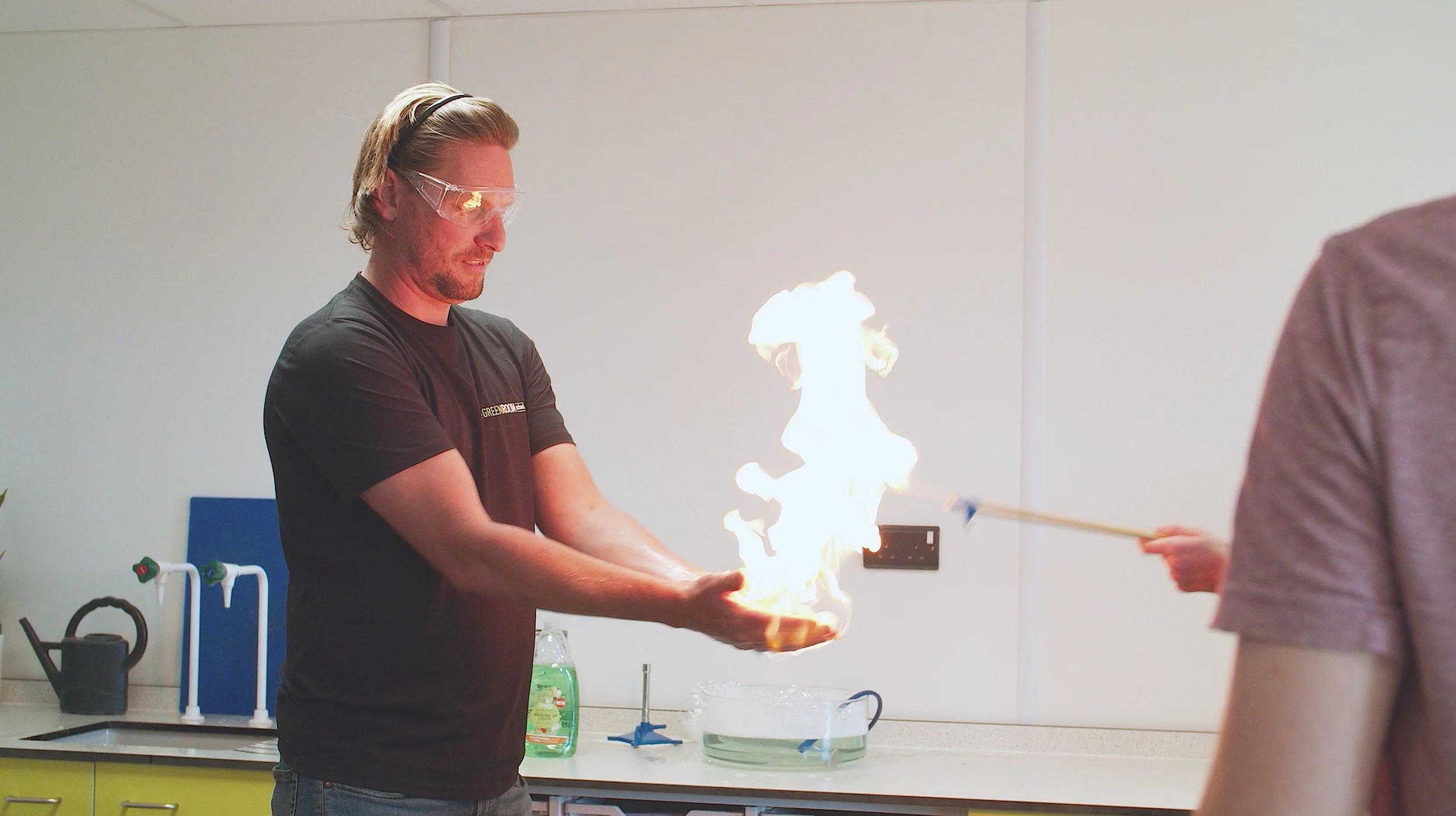
We filmed across primary and secondary schools, alternative provision, academies, comprehensive schools, and both urban and rural settings. The range of locations gave the series a broader view of education across different contexts.
The filming style remained documentary-led and collaborative. We captured interviews with headteachers, middle leaders, teachers, teaching assistants and students. As with Season 1, the interviews were unscripted to preserve voice, credibility and natural expression.
Because the Season 2 films were shorter, the b-roll had to be more purposeful. Every classroom moment, corridor transition, peer discussion or detail shot needed to support the message of the film.
We used two-camera interview setups, natural lighting where possible and careful sound recording to keep the films polished without making them feel staged. The on-set atmosphere remained calm and supportive, helping contributors speak clearly and confidently.
Editing and Post-Production for Season Two
Season 2 moved from long-form narrative building to focused editorial precision.
The challenge was to make each film clear, concise and useful, while still preserving the character of each school and contributor. We sorted and shaped large amounts of footage into focused timelines, making sure each film had one central idea and a strong sense of direction.
Throughout the edit, we followed four core principles:
Clarity of message: every film needed one clear takeaway.
Authenticity of voice: the language had to come from real people, not jargon or spin.
Visual rhythm: b-roll needed to support meaning rather than decorate the edit.
Educational utility: each film had to be useful the same day it was watched.
Final runtimes ranged from short focused pieces to more detailed films, giving PiXL a flexible library of content. Some videos could be used in quick meetings, while others gave more room for context, reflection and discussion.
The result was a series that felt consistent, practical and easy to use.
Delivery and Impact of Season Two
Season 2 launched in spring 2025 and was integrated across PiXL’s online platforms and CPD channels.
The modular format made it easy for schools to choose the films most relevant to their needs. A head of department could play a short film on feedback during a meeting. A senior leader could combine films on aspiration, student voice and personal development for an INSET block. Schools could mix and match the content to fit their calendar, challenges and audience.
Feedback across the network was immediate and positive. Educators valued the shorter runtimes, the clear focus and the consistent production quality carried over from Season 1.
The films supported discussion, informed action planning and encouraged peer sharing within and across schools. Over time, the series became more than a set of videos. It became a practical library of professional learning content that schools could return to again and again.
For Reverie Films, Season 2 showed how a long-term video production partnership can evolve. The project grew in scale and agility without losing the trust, care and authenticity that made the first season work.
The Finished Series
Together, the pilot, Season 1 and Season 2 gave PiXL a substantial video resource built around real schools, real educators and real practice.
The pilot proved the format. Season 1 gave depth, reflection and long-form storytelling. Season 2 refined the approach into a broader library of shorter, more flexible films.
Across the full project, PiXL In Action showed how education video production can do more than document a programme. It can help build shared understanding, support professional development and give educators a platform to learn from one another.
The films worked because they were grounded in trust. They gave space to the people inside the schools, allowing their knowledge, experience and care to lead the story.
What This Project Shows
This project shows the value of long-term, documentary-led video production.
For education organisations, video can be a powerful way to share knowledge, build trust and communicate impact. But it only works when the films feel real. A strong education video needs more than polished visuals. It needs clarity, sensitivity and an understanding of the environment being filmed.
With PiXL In Action, the challenge was to create a series that could grow over time while remaining consistent in tone and purpose. By combining careful planning, respectful filming and thoughtful post-production, we helped create a resource that supports CPD, leadership, classroom practice and school-to-school learning.
The project also demonstrates the value of partnership. Working with PiXL over several years allowed the series to develop naturally, from a single pilot into a substantial library of films with lasting practical value. For schools, education organisations and charities planning a long-term content project, our video production services can help shape the right format, structure and delivery approach from the start.
Looking for Education or Corporate Video Production?
Reverie Films creates story-led video content for schools, universities, education organisations, charities and businesses. Whether you need a documentary-led series, a corporate video, a training resource, a case study film, a CPD video, or a set of films that explain the impact of your work, we can help shape the idea, plan the production and create content that feels clear, credible and human. If your organisation has a story to tell, get in touch and tell us what you have in mind.