One Last Spin
Client: Gambling Watch Scotland, Glasgow, Scotland
Production Type: Documentary
Deliverables: 1x 30-minute film
Project Overview: One Last Spin is a 30-minute documentary created with Gambling Watch Scotland exploring the impact of gambling harm. Filmed in Glasgow, the project combines personal stories, expert insight and cinematic documentary filmmaking to raise awareness and encourage conversation around a complex social issue.
The Brief
Gambling Watch Scotland wanted to create a documentary that would raise awareness of gambling harm and help people understand the human reality behind the issue.
The film needed to be more than an information piece. It had to give space to personal stories, reflect the emotional weight of addiction and show how gambling harm can affect individuals, families and communities. At the same time, it needed to include wider context from experts, campaigners and people involved in the conversation around reform.
The brief was to create a 30-minute film that could be used for screenings, events, education, advocacy and public discussion. It needed to feel honest and emotionally engaging, but also responsible. The subject matter was sensitive, so the production had to be handled with care from the first conversation through to the final edit.
The Challenge
The main challenge was telling a painful and complex story without making it feel sensationalised.
Gambling harm can be hidden, isolating and difficult to talk about. Many of the contributors were sharing deeply personal experiences, and those stories needed to be treated with dignity. As filmmakers, our responsibility was to create an environment where people felt safe, listened to and in control of how their experiences were represented.
There was also a storytelling challenge. The film needed to balance lived experience with wider social context. Personal testimony gave the documentary its emotional core, but the audience also needed to understand the broader issues around gambling harm, recovery, regulation and public awareness.
The aim was not to create a film that simply explained the problem from a distance. The aim was to make something human, truthful and carefully shaped, allowing the audience to sit with the emotional reality of the subject while still understanding why the conversation matters.
Our Approach
We approached the project with three priorities: trust, clarity and restraint.
Trust was the foundation of the film. Before filming began, time was spent speaking with contributors, understanding their stories and making sure they felt comfortable with the process. For a documentary like this, the relationship between filmmaker and contributor is central. People need to know that their words will be handled with care.
Clarity meant shaping the film around a clear structure. The documentary needed to move between personal testimony, expert insight and wider campaign context without becoming overwhelming. Each section had to support the story and help the audience understand the emotional and social impact of gambling harm.
Restraint was important throughout the creative process. The film dealt with painful subject matter, but the tone needed to remain respectful. We wanted the visuals, music, sound and edit to support the contributors’ stories without pushing the emotion too far or distracting from the honesty of what was being said.
Pre-Production
The pre-production process was both practical and deeply human.
Before filming, we worked to understand the subject, the people involved and the purpose of the documentary. This included conversations around gambling harm, recovery, public awareness and the wider campaign landscape. The goal was to make sure the film had the right context before cameras were brought into the room.
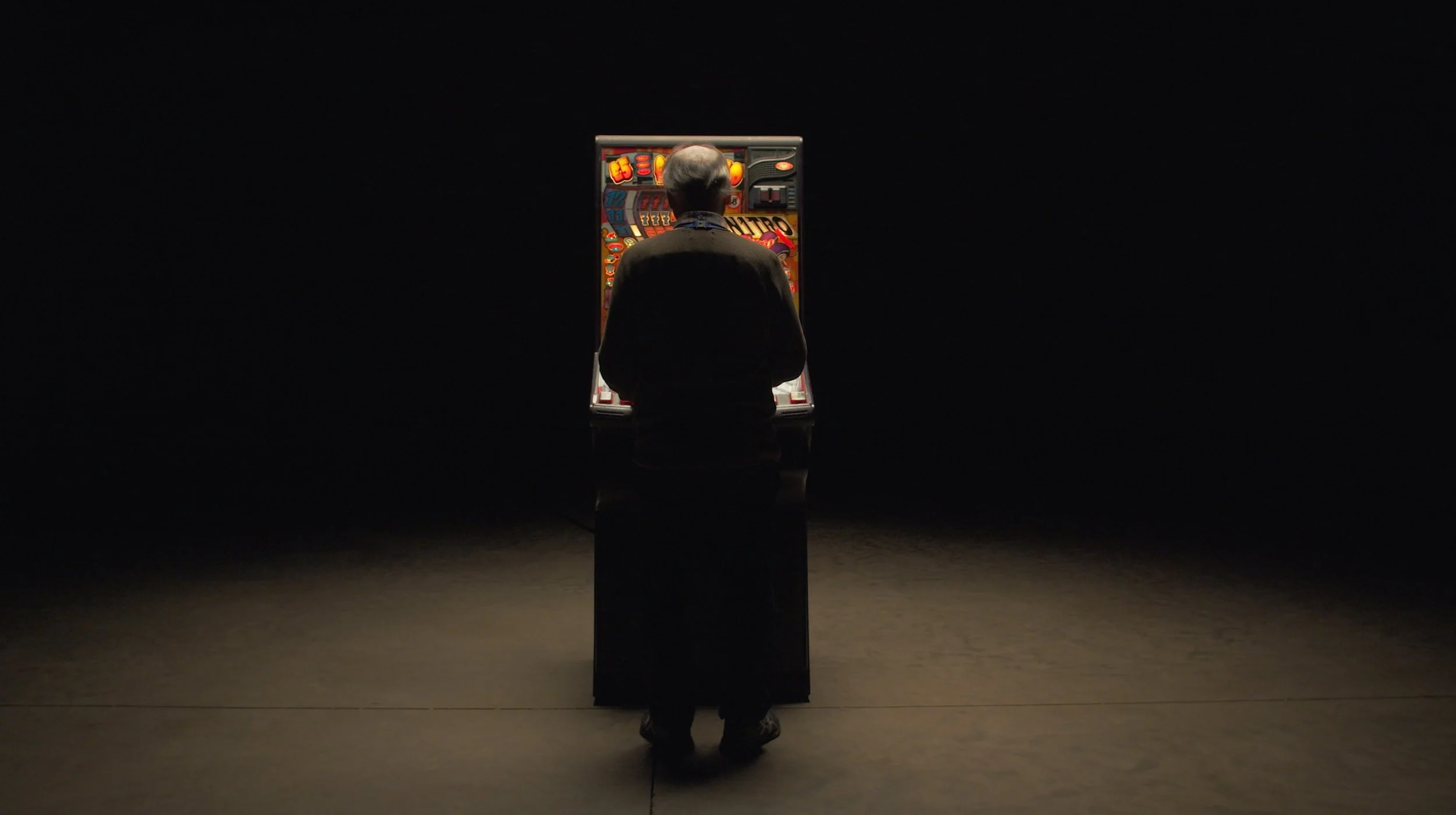
We also developed a visual approach that could support the documentary without overpowering it. The film needed to feel cinematic, but not stylised for the sake of it. The imagery had to reflect the themes of isolation, repetition, secrecy, family strain and recovery in a way that felt honest and connected to the contributors’ experiences.
Because of the sensitivity of the topic, careful planning was essential. Interview spaces, filming locations, visual sequences and production choices were all considered with the contributors in mind. The process had to feel calm, respectful and controlled, giving people the space to speak openly without feeling exposed.
Filming the Documentary
The interviews formed the emotional centre of One Last Spin.
Each interview was approached with care. The setup was designed to feel calm and private, giving contributors the space to speak in their own words. The aim was not to force emotion or chase dramatic moments, but to allow honest testimony to come through naturally.
Alongside the interviews, we filmed atmospheric material that reflected the themes of the documentary. These visuals helped give shape to the stories being told, moving between personal detail, quiet reflection and more symbolic moments connected to gambling harm.
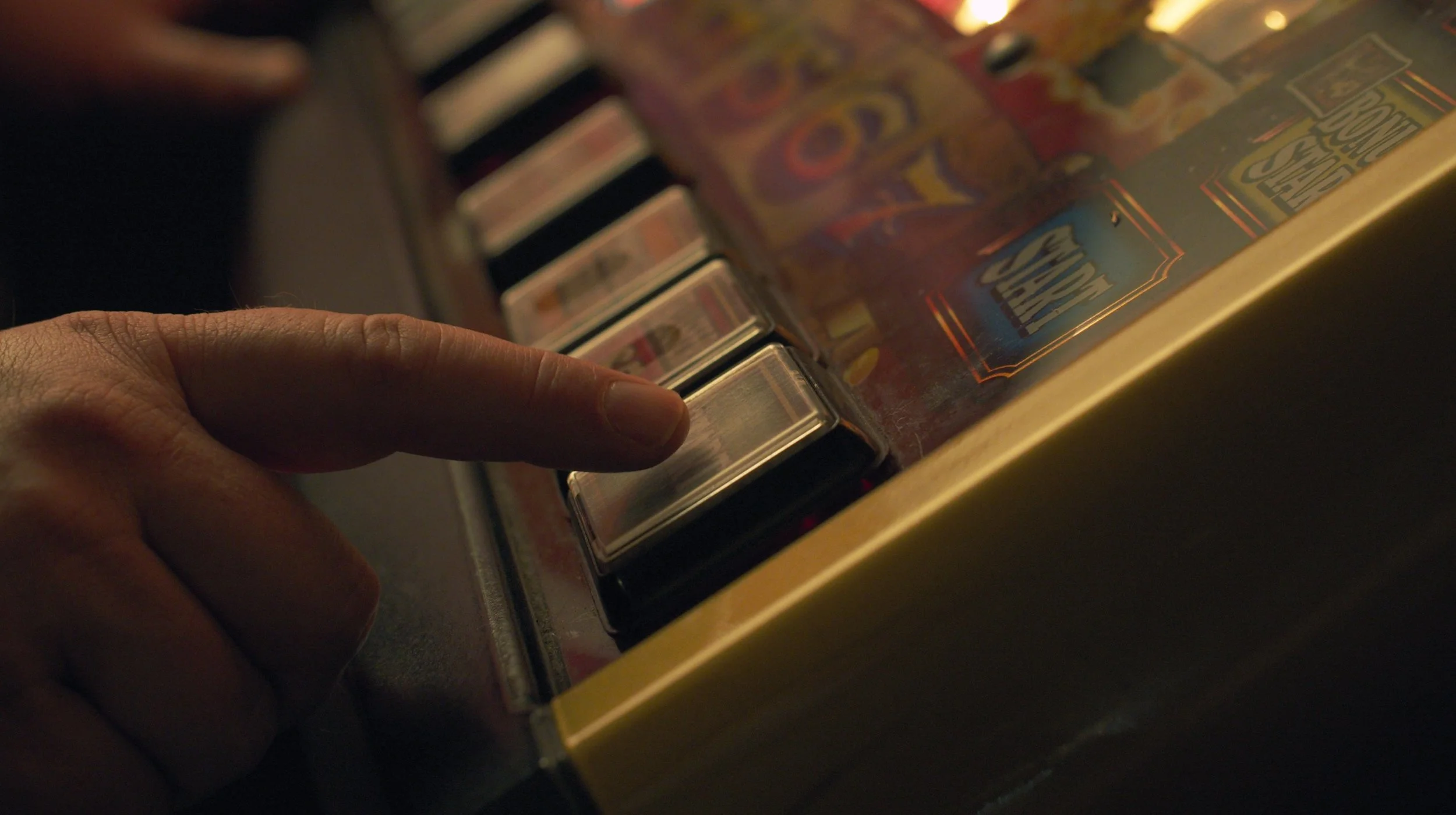
The b-roll was designed to add emotional depth without becoming too literal. Scenes were created and captured to suggest secrecy, routine, disconnection, pressure and the private nature of addiction. This gave the film a visual language that supported the subject while allowing the contributors’ voices to remain at the centre.
The production also required a strong and thoughtful crew. From direction and cinematography to sound, styling and production support, each person involved understood the responsibility of the project. The tone on set mattered. The filming process needed to feel professional, calm and human.


Building the Story
One of the most important parts of the project was shaping the documentary into a clear and emotionally honest narrative.
With a subject like gambling harm, there are many possible directions the story could take. The edit needed to respect the complexity of the issue while still giving the audience a route through the film. We brought together personal testimony, expert voices and campaign perspectives to create a structure that felt informative, moving and easy to follow.
The contributors’ stories gave the film its emotional weight. Rather than treating those stories as examples within a wider issue, the documentary allowed them to lead. Their experiences helped the audience understand the human cost of gambling harm in a way that statistics alone could never fully communicate.
The wider context then helped frame those experiences. Expert and campaign voices gave the film additional perspective, showing that these individual stories sit within a broader conversation about awareness, responsibility and change.
Post-Production and Delivery
Once filming was complete, the project moved into a detailed post-production process.
The edit focused on pace, tone and emotional balance. The film needed to hold the audience’s attention for 30 minutes while giving each story the space it deserved. That meant allowing quieter moments to breathe, shaping transitions carefully and making sure the documentary never felt rushed or overly heavy-handed.
Sound design played an important role. Natural pauses, ambient texture and subtle sound choices helped create a sense of immersion. The aim was to support the emotional atmosphere of the film without distracting from the voices of the contributors.
Music was used with restraint. The score needed to reflect the seriousness of the subject while leaving room for honesty and silence. Rather than pushing emotion too forcefully, the music helped guide the viewer through moments of reflection, tension and hope.
Colour grading and finishing touches gave the film a consistent visual identity. The final look was muted, cinematic and controlled, supporting the gravity of the subject while keeping the film polished and cohesive. Additional visual materials, including poster and promotional assets, helped give the project a wider identity beyond the film itself.
The Finished Film
The final documentary gave Gambling Watch Scotland a powerful 30-minute film that could be used to support awareness, education and discussion around gambling harm.
One Last Spin brought together lived experience, expert insight and campaign context in a way that felt personal and considered. The film helped give a human face to an issue that is often discussed in abstract terms, allowing audiences to better understand the emotional and social impact of gambling addiction.
The documentary was created as a film with purpose. It was not designed simply to inform, but to move people, start conversations and support wider awareness of gambling-related harm.
The Impact
After completion, One Last Spin was screened to audiences in Scotland, including people connected to the issue, campaigners, community groups and representatives involved in wider conversations around gambling reform.
The film became a useful resource for events, discussions and awareness work, helping people engage with the subject through real stories rather than statistics alone. Its strength came from the honesty of the contributors and the care taken in presenting their experiences.
For Reverie Films, the project showed how documentary video production can support meaningful social conversations. It demonstrated the value of ethical storytelling, careful production and emotionally responsible editing when working with sensitive subject matter.
What This Project Shows
This project shows the power of documentary filmmaking when it is handled with care.
A strong documentary is not just about capturing interviews or presenting information. It is about building trust, understanding the subject and shaping real experiences into a film that feels honest, human and purposeful.
With One Last Spin, the challenge was to create a documentary that could inform audiences while protecting the dignity of the people involved. By combining careful planning, sensitive filming, cinematic visuals and thoughtful post-production, we were able to create a film that gave space to difficult stories and helped support an important wider conversation.
Looking for Documentary or Purpose-Led Video Production?
Reverie Films creates story-led video content for charities, organisations, campaign groups and businesses. Whether you need a documentary, awareness film, campaign video, interview-led story or a project that helps people understand a complex subject, we can help shape the idea, plan the production and create a film with care and purpose. If you are planning a project and want to tell a story that matters, get in touch and tell us what you have in mind. You can also explore our video production services to see how different formats can support documentaries, campaigns, awareness films and wider story-led projects.
Watch The Full Film Here